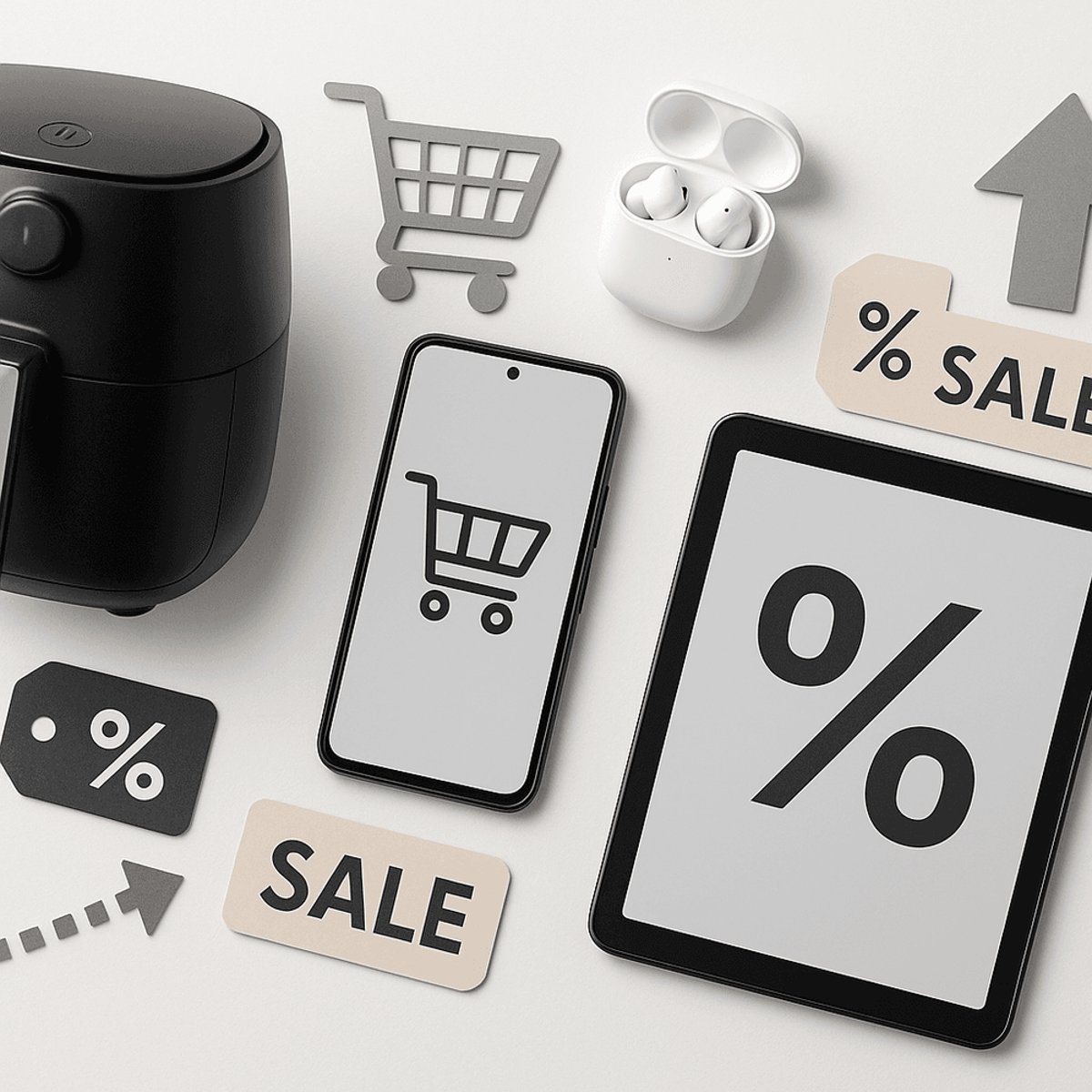
Amazon is running its October Prime Day 2025 shopping event, and WIRED is tracking the best deals live as they emerge. The Big Deal Days sale showcases everything from discounted Pixel phones to kitchen gadgets, revealing both genuine bargains and the evolving nature of e-commerce marketing in real-time.
Amazon's October Prime Day 2025 is here, and the shopping frenzy reveals as much about consumer behavior as it does about actual bargains. WIRED's live coverage captures the event in real-time, mixing genuine tech recommendations with wry observations about modern capitalism.
The standout deal early in the event is Google's Pixel 9a smartphone, dropping to $350 from its usual $499 price tag. That's significant because WIRED's smartphone experts consider it the best Android phone for most people. The device offers flagship-grade performance, a reliable dual-camera system, IP68 water resistance, and wireless charging - features typically reserved for much pricier phones.
Google's aggressive pricing reflects broader smartphone market dynamics. With seven years of promised software updates and a completely redesigned flat back that eliminates the camera bump, the Pixel 9a represents Google's push to compete directly with premium devices while maintaining affordability. The $150 discount brings it into budget phone territory while delivering flagship features.
Beyond smartphones, Prime Day 2025 showcases America's obsession with kitchen gadgets. The Ninja Crispi Portable Glass Air Fryer, marked down to $160, exemplifies the trend toward compact cooking solutions. Unlike traditional countertop air fryers that dominate kitchen space, the Crispi stores its heating elements in a cap that sits atop glass cooking dishes. It's a clever space-saving design that speaks to urban living constraints and the ongoing air fryer craze.
More quirky is the Piezano countertop pizza oven, now under $100 at $91. This waffle iron-sized device claims to reach 800 degrees Fahrenheit, actually delivering on its promise according to WIRED's testing. While heating remains uneven - requiring frequent pizza rotation - it represents the democratization of specialized cooking equipment.
The competition angle adds intrigue to this year's event. Walmart launched its own 'Walmart Deals' event to directly counter Amazon's Prime Day, creating a retail arms race that ultimately benefits consumers. This competitive pressure has become a Prime Day staple, with retailers scrambling to capture shopping momentum.
What's fascinating about WIRED's live coverage is how it balances genuine product recommendations with cultural commentary. Writers document personal purchases - like an $18 Blink Mini camera for a "glorified doorbell chime" - alongside professional assessments of major discounts. This approach humanizes the shopping experience while maintaining journalistic credibility.
The fitness tracker category shows particularly strong deals, ranging from $80 to $270 with options for both iOS and Android users. These devices have evolved from simple step counters to comprehensive health monitoring systems, tracking sleep quality, skin temperature, and movement patterns. The Prime Day discounts reflect how fitness tech has moved from niche gadgets to mainstream necessities.
Travel accessories also feature prominently, with Away's 31-inch hardside suitcase dropping $87 to $348. This reflects pent-up travel demand and the luggage industry's recovery from pandemic lows. Away's direct-to-consumer model, built around Instagram-worthy design and travel lifestyle marketing, exemplifies how modern brands leverage social media to drive sales events like Prime Day.
The audio category presents interesting value propositions, particularly JLab's Go Air Sport earbuds at $21, down from $30. These sport-focused wireless earbuds include over-ear hooks, IP55 water resistance, and 30-hour battery life. At this price point, they compete directly with generic alternatives while offering brand reliability and design polish.
Perhaps most telling is how WIRED's coverage captures the psychological aspects of Prime Day shopping. Writers document impulse purchases, comparison shopping across retailers, and the dopamine hit of finding genuine bargains amid manufactured urgency. This meta-commentary on consumerism provides valuable insight into how major shopping events influence behavior.
The event also highlights infrastructure demands. One writer praises their Eero 6+ mesh Wi-Fi system for enabling Prime Day shopping, noting how older single-point routers would struggle with the traffic load. This tech dependency illustrates how shopping events drive broader technology adoption.
Looking ahead, Prime Day 2025 shows how Amazon has evolved from simple discount event to cultural phenomenon. The combination of genuine deals, manufactured scarcity, competitive response from rivals, and real-time social media coverage creates a shopping ecosystem that transcends traditional retail.
Prime Day 2025 reveals how Amazon's shopping event has matured from simple discount sale to cultural phenomenon that drives competitor response, infrastructure demands, and consumer behavior analysis. The mix of genuine tech bargains - like the $350 Pixel 9a - alongside lifestyle products and kitchen gadgets shows how these events now serve multiple retail strategies simultaneously. As competition from Walmart and other retailers intensifies, Prime Day's evolution into a broader retail ecosystem benefits consumers while providing fascinating insights into modern shopping psychology.