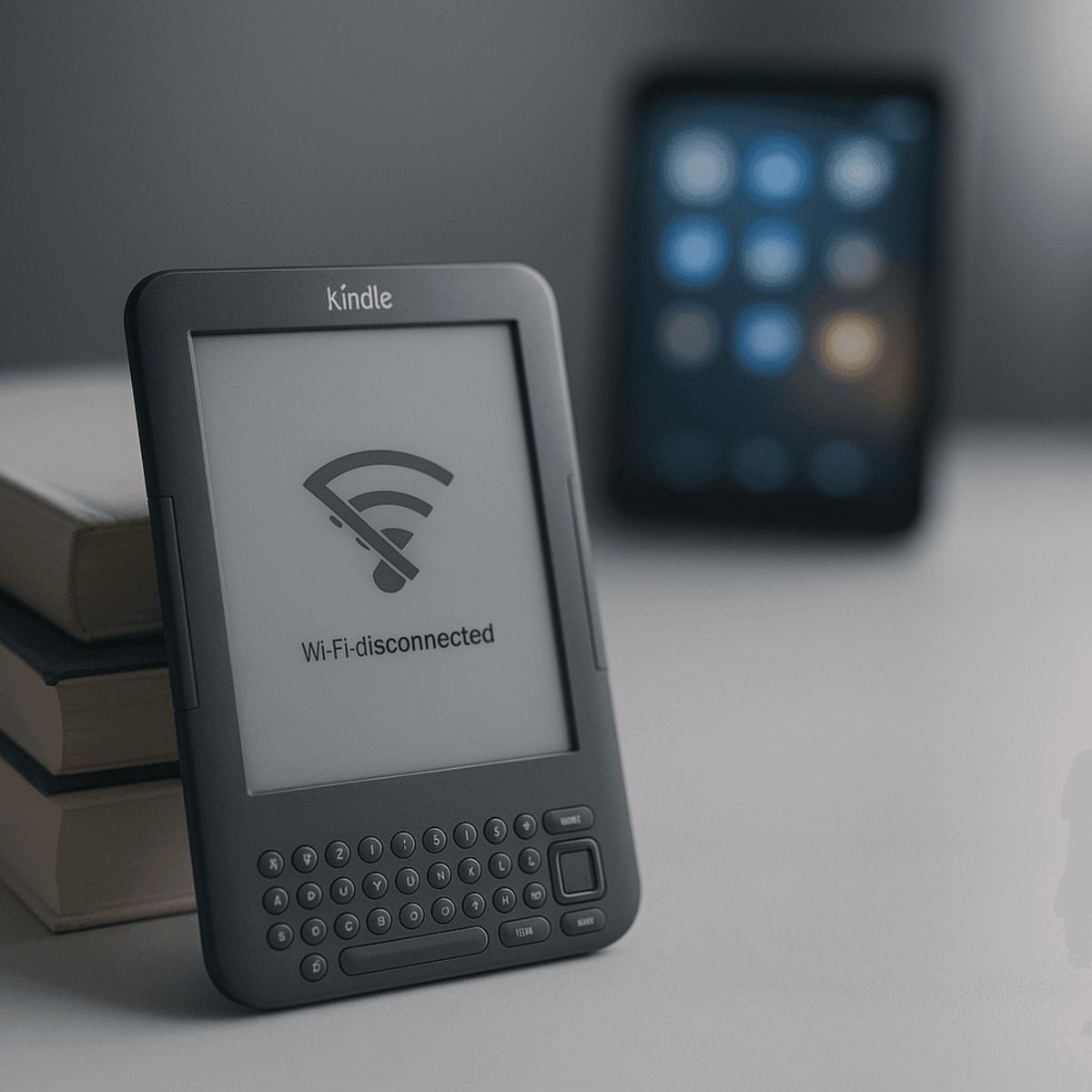
Amazon is pulling the plug on its oldest Kindle devices, leaving millions of early adopters in the lurch. The retail giant quietly notified users this week that all e-readers released in 2012 or earlier will lose the ability to download new content, effectively turning once-beloved reading devices into expensive paperweights. The move affects a generation of Kindles that helped Amazon dominate the e-reader market but now face obsolescence in the company's relentless hardware upgrade cycle.
Amazon just delivered unwelcome news to owners of its earliest Kindle devices. The company confirmed this week it's discontinuing support for all e-readers released in 2012 or earlier, rendering these devices virtually unable to load any new content going forward.
The announcement, delivered via email to affected customers, marks the end of an era for devices that revolutionized digital reading. While Amazon hasn't disclosed exactly how many devices will be impacted, industry estimates suggest millions of these early Kindles are still in circulation. The 2012 cutoff catches several popular models in its net, including the Kindle Keyboard (also called the Kindle 3), the fourth-generation Kindle, the Kindle Touch, and the original Kindle Fire tablets.
What's particularly frustrating for users is the timing and scope of the shutdown. These devices won't just lose access to new features or software updates - they'll effectively become unable to download new books from Amazon's store. Existing content already stored on the devices should remain readable, but the core functionality that made Kindles valuable is being stripped away. For many readers who invested in Amazon's ecosystem specifically because of the promise of a vast digital library at their fingertips, this feels like a betrayal of that original value proposition.
The move fits a broader pattern in Amazon's hardware strategy. The company has consistently pushed customers toward newer devices through a combination of enticing upgrades and strategic obsolescence of older models. The Kindle lineup has evolved significantly since 2012, with current models featuring better screens, longer battery life, waterproofing, and integration with Amazon's broader services ecosystem. But that progress comes at a cost to users who saw their original Kindle purchase as a long-term investment.
From a technical standpoint, Amazon's likely culprit is security protocols and infrastructure updates that older devices simply can't support. The 2012-era Kindles run on outdated software architectures and use legacy connectivity standards that have become increasingly difficult and expensive to maintain. As cloud infrastructure evolves and security requirements tighten, supporting hardware that's 14-plus years old becomes a genuine technical and financial burden.
But consumer advocates aren't buying the technical necessity argument entirely. The right-to-repair movement has long criticized tech companies for artificially shortening device lifespans through software restrictions rather than hardware failures. A Kindle from 2012 that still powers on and displays text perfectly should theoretically be capable of downloading and displaying new books indefinitely. The limitation is imposed by Amazon's infrastructure choices, not the device's inherent capabilities.
The timing is particularly awkward given growing regulatory pressure around e-waste and sustainable electronics. The European Union has been pushing for longer device support windows and better repairability standards. California recently passed legislation requiring longer security update periods for connected devices. Amazon's decision to brick perfectly functional hardware runs counter to these sustainability pushes, even if the company argues it's focused resources on supporting newer, better devices.
For affected users, options are limited. Amazon will almost certainly offer trade-in discounts or upgrade incentives to push users toward current-generation Kindles. The company has historically been aggressive about using these transition moments to drive new hardware sales. But for budget-conscious readers or those who simply liked their old device, being forced into an upgrade cycle feels manipulative.
There's also the question of what happens to purchased content. Amazon's terms of service have always been clear that users license rather than own their digital books. But when a device becomes unable to access that licensed content through no fault of the user, it highlights the fragility of digital ownership. Physical books from 2012 work just as well today as they did when purchased. The same can't be said for their digital equivalents on aging hardware.
The broader tech industry is watching how consumers react. If Amazon faces minimal pushback, it sets a precedent for other hardware makers to impose similar support cutoffs. Apple, Google, and Microsoft all maintain much longer support windows for their devices, but the e-reader market has always operated differently. With Amazon controlling an estimated 75% of the e-reader market in the US, users have limited alternatives if they want to stay within the dominant ecosystem.
Amazon's decision to sunset support for 14-year-old Kindles is both understandable from a business perspective and deeply frustrating for consumers who believed in the promise of digital reading. While the company faces real technical challenges supporting ancient hardware, the move highlights fundamental tensions in consumer electronics around planned obsolescence, digital ownership, and environmental sustainability. As regulatory pressure builds and consumers grow more conscious of e-waste, tech giants may find these aggressive support cutoffs harder to justify. For now, millions of Kindle owners face a choice: upgrade to keep reading, or watch their devices become very expensive bookends.