AMD CEO Lisa Su just delivered the tech industry's strongest defense yet of massive AI spending, telling CNBC that hyperscaler customers are finally seeing real returns on their investments. Her comments sent AMD shares up over 7% as she projected 35% annual revenue growth through AI demand that she calls "insatiable."
AMD CEO Lisa Su just threw cold water on Silicon Valley's growing anxiety about AI spending bubbles. In a pointed defense during CNBC's "Squawk Box" Wednesday, Su dismissed concerns that Big Tech's $380 billion AI investment spree has gotten out of control. "I don't think it's a big gamble," she said. "I think it's the right gamble."
The market loved her confidence. AMD shares jumped over 7% as Su painted a picture of hyperscaler customers who've finally cracked the code on AI returns. After 12 months of what she calls "beefed up spending," these cloud giants are now seeing the payoff that justifies their massive infrastructure buildouts.
Su's timing couldn't be better. Wall Street has been getting jittery about AI valuations after tech megacaps announced more than $380 billion in AI spending across their latest earnings reports. The spending spree has investors wondering if we're heading for another dot-com-style bubble, especially as companies like DoorDash and Duolingo get punished for their own AI investments.
But Su sees something different in her customer conversations. The technology has reached what she calls an "inflection point" - that crucial moment when experimental AI projects start generating measurable business value. It's the difference between burning cash on potential and actually seeing returns flow to the bottom line.
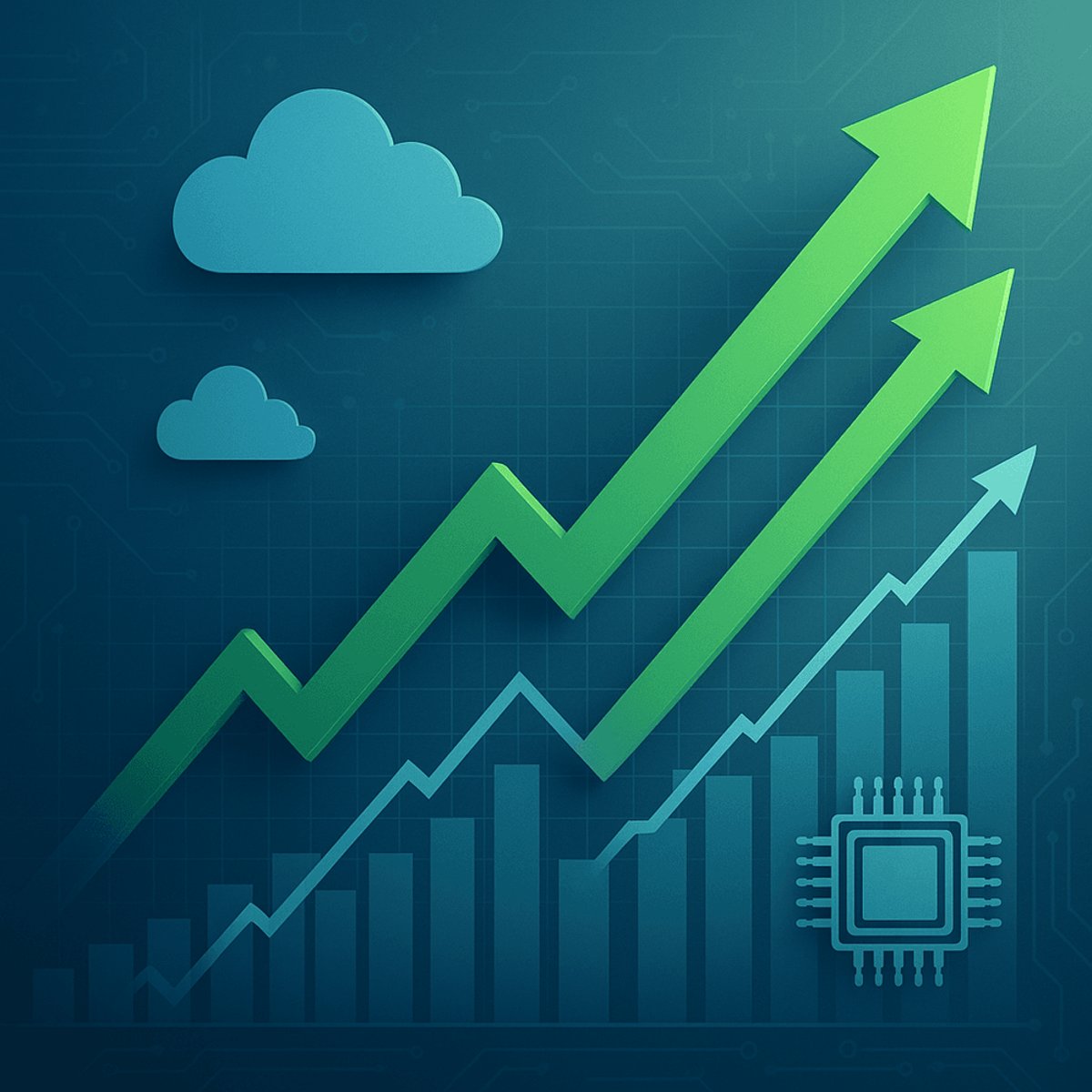
The proof is in AMD's projections. On Tuesday, Su told analysts the company expects revenues to grow 35% annually over the next three to five years, driven by what she describes as "insatiable" AI chip demand. That's not the language of someone worried about a bubble - it's the confidence of a CEO who sees her customers doubling down because the math finally works.
Su's stance puts her at odds with the growing chorus of bubble warnings. Recent market volatility has been driven partly by concerns that AI valuations have gotten too rich too fast. But she's betting that hyperscalers like Amazon, Microsoft, and Google aren't just throwing money at the AI wall to see what sticks anymore.
The shift represents a maturation of the AI market. Early investments were largely speculative - building infrastructure for future applications that might or might not pan out. Now, according to Su, those same customers are seeing concrete returns that justify not just maintaining their spending levels, but increasing them.
For AMD, this inflection point couldn't come at a better time. The company has been working to challenge Nvidia's dominance in AI chips, and growing customer confidence in AI ROI creates more opportunities for alternatives. When hyperscalers are convinced their AI investments are paying off, they're more willing to diversify their chip suppliers and give competitors like AMD a shot.
Su's comments also signal that the AI infrastructure build-out is far from over. If hyperscalers are indeed hitting their ROI targets, the logical next step is to accelerate investments while the returns are clear. That creates a virtuous cycle for chip companies - more proven ROI leads to more spending, which leads to more chip demand.
The market's 7% AMD rally suggests investors are buying Su's narrative over the bubble warnings. But the real test will be whether other tech CEOs echo her confidence in their own earnings calls, or if AMD's optimism proves to be an outlier in an increasingly cautious industry.
Su's confident stance on AI spending represents a crucial inflection point for the entire tech industry. If she's right that hyperscalers are finally seeing clear ROI on their AI investments, it validates the massive infrastructure buildout and sets the stage for continued growth. But if bubble concerns prove justified, AMD and other chip companies could face a sharp correction. The next few quarters of earnings will reveal whether Su's optimism or Wall Street's caution proves more prescient.