Apple hits its half-century mark facing pressures that would've been unthinkable during its scrappy startup days. The world's most valuable company now wrestles with existential questions about life after Tim Cook, its delayed AI response, and whether premium pricing still holds in an age of commoditized smartphones. According to CNBC's analysis, the challenges ahead may define whether Apple's next 50 years match its legendary past.
Apple celebrated five decades since Steve Jobs and Steve Wozniak founded the company in a Cupertino garage, but the birthday party comes with uncomfortable questions. The iPhone maker that revolutionized personal computing, music, and mobile phones now faces challenges that strike at the core of its identity and future.
The succession question looms largest. Tim Cook, who took over from Jobs in 2011, turns 66 this year and shows no public signs of stepping down. But Apple's board knows the company can't afford another sudden transition like the one that followed Jobs' death. Unlike Microsoft, which telegraphed Satya Nadella's rise years in advance, Apple's executive bench remains opaque. COO Jeff Williams and services chief Eddy Cue represent the old guard, while hardware engineering lead John Ternus and software chief Craig Federighi seem like contenders - but neither has been positioned as heir apparent.
"Apple's succession planning is a black box, and that's intentional," one former executive told industry observers. The deliberate opacity that serves Apple's product secrecy works against investors who want visibility into leadership continuity. Amazon and Google have cycled through CEOs with relative stability. Apple's cult of personality around its leaders makes transitions riskier.
Then there's the AI problem. While Microsoft bet big on OpenAI and Google rushed out Gemini, Apple has remained conspicuously quiet on generative AI. The company's traditional playbook - wait, watch, then perfect - served it well with smartphones and smartwatches. But AI moves differently. The technology improves through massive user engagement and data feedback loops, advantages that accrue to first movers.
Apple's privacy-first stance, once a competitive advantage, now hampers its AI development. The company can't hoover up user data like Meta or leverage cloud infrastructure at Microsoft's scale. Recent reports suggest Apple Intelligence, the company's AI initiative, relies heavily on licensing deals with OpenAI and potentially Google - a humbling admission for a company that prides itself on vertical integration.
The iPhone business presents its own existential riddle. The device still generates over half of Apple's revenue, but upgrade cycles have lengthened and market saturation looms in developed countries. Emerging markets offer growth potential, but not at the $1,000+ price points that deliver Apple's legendary margins. Samsung and Chinese manufacturers like Xiaomi squeeze from below with capable devices at half the price.
Apple's response - the services pivot - shows promise but brings new challenges. App Store revenue faces regulatory pressure worldwide. Subscription growth in Music, TV+, and iCloud decelerates as the installed base matures. The company needs a next act beyond milking iPhone users for recurring revenue.
The premium brand question cuts deepest. Apple built its modern empire on aspirational products that commanded price premiums through design, ecosystem lock-in, and brand cachet. But as smartphones commoditize and AI potentially disrupts the entire computing paradigm, can Apple maintain its luxury positioning? The company's forays into spatial computing with Vision Pro suggest it still believes in premium hardware experiences. Early sales figures hint the market may disagree at $3,500 price points.
Competitive threats compound everywhere. Tesla abandoned its Apple Car plans when Apple killed its decade-long automotive project. Smart home remains fragmented despite HomePod efforts. Wearables growth slows. Every category where Apple hoped to replicate iPhone's magic has underdelivered.
Yet counting out Apple would be premature. The company sits on over $160 billion in cash, generates $100 billion in annual free cash flow, and commands customer loyalty that competitors envy. Its chip design prowess with Apple Silicon proves it can still out-engineer rivals. The ecosystem moat keeps users locked in across devices.
What Apple lacks is the next big thing. The iPhone launched in 2007 - nearly 20 years ago. No subsequent product has matched its impact or revenue contribution. Services and wearables add billions, but they're accessories to the iPhone, not replacements. The company needs a product category that redefines computing for the AI era, the way iPhone did for mobile.
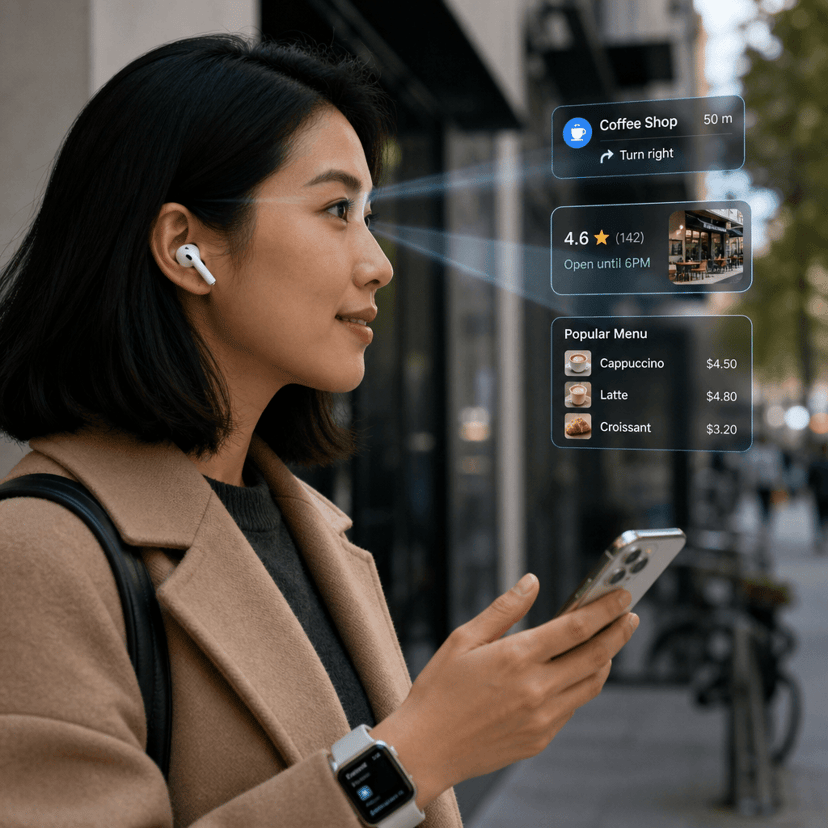
Industry watchers point to augmented reality, health technology, or home robotics as potential breakthrough categories. Apple's recent hiring spree in AI and robotics engineering suggests internal debates rage about where to place big bets. But the clock ticks. Microsoft's partnership with OpenAI already reshaped enterprise software. Google's AI integration touches billions of search users daily. Apple risks becoming a luxury hardware maker in a software-defined world.
The succession question ties everything together. Apple's next CEO will inherit these challenges and define the company's response. Will they maintain Cook's operational excellence and steady hand, or channel Jobs' willingness to cannibalize existing products for revolutionary new ones? The choice between stability and disruption will determine whether Apple's centennial celebration in 2076 chronicles continued dominance or a cautionary tale about resting on laurels.
Apple's 50th anniversary isn't just a milestone - it's a moment of reckoning. The challenges of succession planning, AI strategy, and premium brand sustainability aren't isolated problems but interconnected pressures that could reshape tech's most iconic company. How Apple answers these questions in the next 2-3 years will determine whether it enters its second half-century as an industry leader or a cautionary tale about innovation interrupted. The company that taught the world to think different now must prove it can still think ahead.