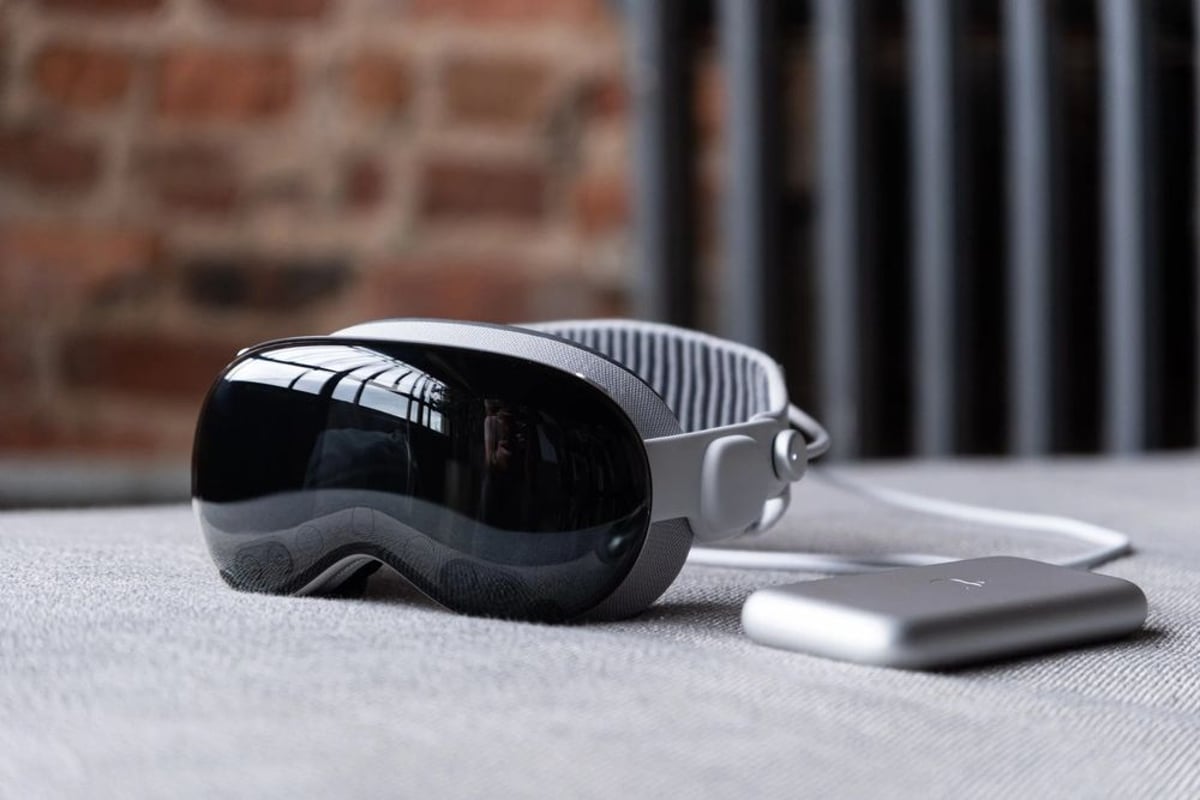
Apple just made its biggest strategic pivot in years, scrapping plans for a lighter Vision Pro headset to chase Meta's commanding lead in smart glasses. The Cupertino giant is now racing to develop two different smart glasses models - one launching in 2027 and another with display technology originally planned for 2028 - while pulling engineers off the Vision Pro team to accelerate development.
Apple just threw in the towel on its Vision Pro strategy, and the implications are staggering. The company that revolutionized smartphones is now playing catch-up in a market where Meta already has multiple product lines shipping and rave reviews.
According to Bloomberg's latest reporting, Apple told staff it's pulling people from the lighter Vision Pro project to accelerate smart glasses development. That's a massive resource reallocation that signals just how seriously Apple views the threat from Meta's expanding glasses ecosystem.
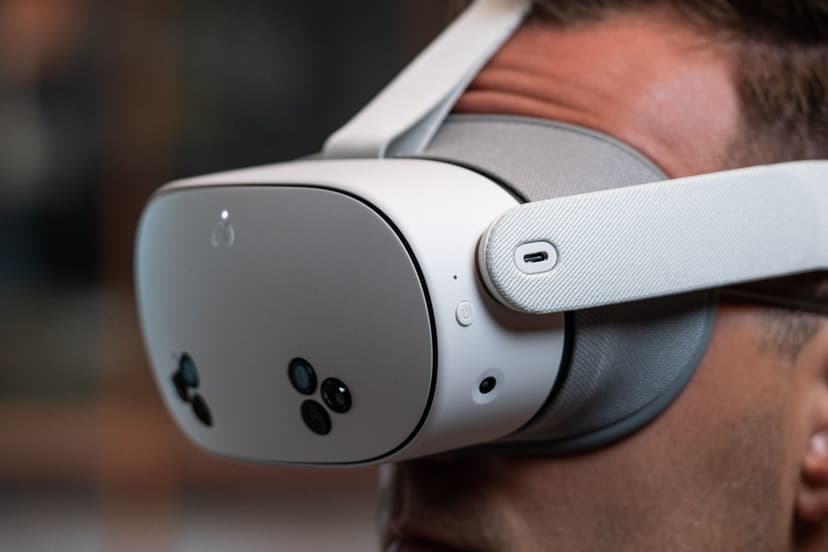
The timing couldn't be more telling. Just weeks after Meta unveiled its second-generation Ray-Ban glasses with significantly improved battery life and new Oakley partnerships for athletes, Apple is scrambling to catch up. Meta's Ray-Ban Display glasses earned glowing reviews from The Verge's Victoria Song, who called them the best smart glasses she's ever tried.
Apple's approach mirrors Meta's playbook almost exactly. The glasses will pack speakers, cameras, multiple style options, and "rely heavily on voice interaction and artificial intelligence," Bloomberg reports. Apple is even developing a specialized chip for the glasses, following the same vertical integration strategy that made the iPhone dominant.
But here's where it gets interesting - Apple is targeting two distinct markets simultaneously. The first glasses, without a display, could be revealed as early as next year for a 2027 launch. Think of these as Apple's answer to the current Ray-Ban Meta glasses. The second version, featuring a display system that could challenge Meta's Ray-Ban Display glasses, was originally planned for 2028 but Apple wants to "accelerate development."
The competitive dynamics are fascinating. Meta's glasses business is already generating real momentum through partnerships with Ray-Ban and Oakley, giving them instant fashion credibility and retail distribution. Apple will need to build those relationships from scratch or go it alone with their own design language.
Meanwhile, the Vision Pro isn't dead - it's just not the priority anymore. Recent FCC filings reveal a modest refresh coming potentially by year-end, which Bloomberg characterizes as minor updates rather than the comprehensive redesign originally planned for 2027.
The production numbers tell the real story. Apple has reportedly scaled back Vision Pro manufacturing, suggesting demand hasn't met expectations. At $3,500, the Vision Pro priced itself out of mainstream adoption, while Meta's glasses start at $299 and deliver immediate utility.
This pivot represents more than just product strategy - it's Apple acknowledging that the future of spatial computing might be incremental rather than revolutionary. Instead of asking consumers to strap on bulky headsets, both companies are betting on glasses that look normal but pack smart features.
The implications for developers and the broader AR ecosystem are significant. Apple's entry validates the smart glasses category but also intensifies competition for the key partnerships and supply chain resources needed to scale production.
Apple's strategic pivot from VR headsets to smart glasses represents a fundamental shift in how the company views the future of wearable computing. By abandoning the lighter Vision Pro and redirecting resources toward glasses that compete directly with Meta's successful Ray-Ban partnerships, Apple is essentially admitting that incremental, fashionable devices might capture mainstream adoption faster than revolutionary but expensive headsets. The real question now isn't whether smart glasses will succeed - Meta has already proven that - but whether Apple can leverage its design expertise and ecosystem integration to catch up in a market where it's definitively playing from behind.