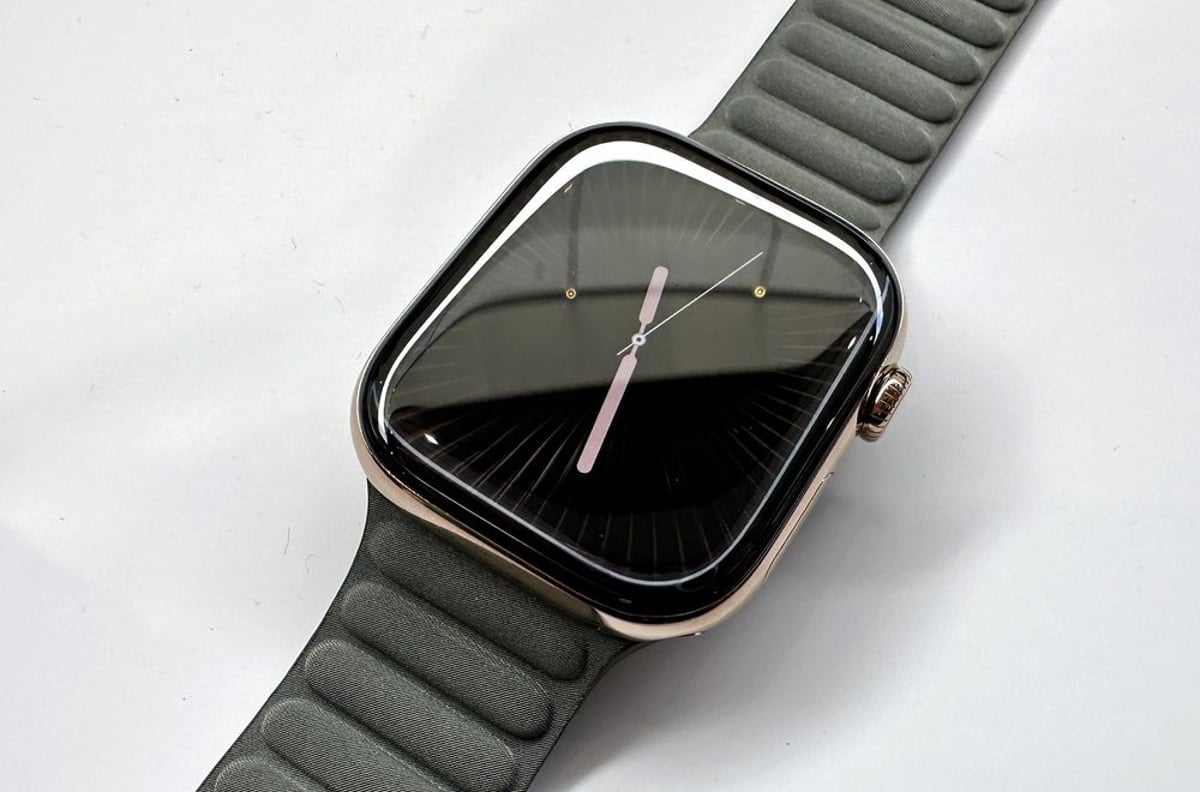
Apple just scored a major regulatory win that could reshape wearable health monitoring. The FDA cleared the company's new hypertension notification feature for Apple Watch Series 9 and later models, arriving with watchOS 26 on September 15th. This marks Apple's boldest push yet into medical-grade health tracking, potentially alerting millions of users to elevated blood pressure before they even know they have it.
Apple just cleared a crucial regulatory hurdle that puts the company deeper into medical territory than ever before. The FDA approved Apple Watch's new hypertension notification system, which will roll out next week alongside watchOS 26 to compatible devices. According to Apple spokesperson Zaina Khachadourian's statement to The Verge, the feature represents a significant leap forward in consumer health monitoring.
The timing couldn't be more strategic. Apple unveiled this hypertension feature Tuesday during its latest hardware showcase, announcing the Apple Watch SE3, Series 11, and Ultra 3 models. But the real story isn't new hardware - it's what existing Apple Watches can now do with their current sensors.
Here's how the magic works: Apple's algorithm taps into the optical heart sensor that's been sitting on your wrist all along, analyzing "how a user's blood vessels respond to the beats of the heart." The AI doesn't just take a quick reading and move on. Instead, it studies this cardiovascular data continuously over a 30-day period, building a baseline before flagging potential hypertension signs.
This represents a fundamental shift in how we think about wearable health monitoring. While fitness trackers have long measured heart rate, Apple's pushing into diagnostic territory traditionally reserved for medical professionals. The 30-day monitoring window is particularly clever - it accounts for daily variations and stress-induced spikes that could trigger false alarms in simpler systems.
The FDA's blessing here is huge. Regulatory approval for health features can take years, and Apple's managed to get clearance for a feature that could impact millions of users immediately. Hypertension affects nearly half of American adults, yet many don't know they have it until they're already dealing with cardiovascular complications.
Apple's broader health strategy has been building toward this moment for years. The company started with basic fitness tracking, then added ECG monitoring with the Series 4, blood oxygen sensing with Series 6, and now hypertension alerts. Each feature has required careful navigation of FDA regulations while maintaining the seamless user experience Apple's known for.
The competitive implications are massive too. While Samsung and other smartwatch makers offer various health features, none have achieved Apple's level of medical legitimacy. The FDA clearance gives Apple Watch a clinical credibility that's hard for competitors to match quickly.
The global rollout across 150+ countries starting September 15th shows Apple's confidence in the technology. This isn't a limited beta - it's a full-scale deployment that will reach Apple Watch Series 9, Ultra 2, and all newer models via the watchOS 26 update.
What makes this particularly interesting is how Apple's leveraging existing hardware through software innovation. Users won't need to buy new devices to access potentially life-saving health alerts. It's a testament to Apple's long-term hardware planning - building sensors capable of more than their initial feature set allowed.
The medical community's response will be worth watching closely. While wearable health monitoring has gained acceptance among healthcare professionals, diagnostic-level features like hypertension detection represent a new frontier. Apple's approach of flagging potential issues rather than making definitive diagnoses seems designed to complement, not replace, traditional medical care.
Apple's FDA-cleared hypertension monitoring transforms the Apple Watch from fitness tracker to legitimate medical device. The 30-day algorithmic approach, combined with broad international availability, positions Apple ahead of competitors in the race to make health monitoring truly accessible. For millions of Apple Watch users, next week's update could literally be life-changing - turning their everyday wearable into an early warning system for one of America's most common health conditions.