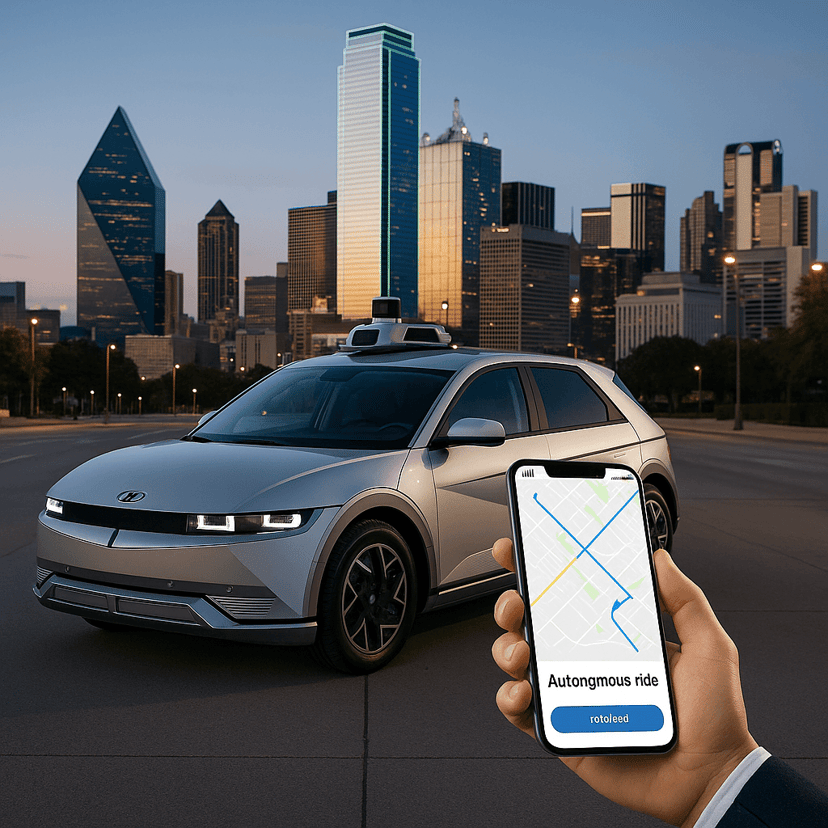
The robotaxi boom just got its first traffic controller. Autolane closed a $7.4 million funding round to build what CEO Ben Seidl calls 'air traffic control for autonomous vehicles' - coordinating precisely where driverless cars should stop, pick up passengers, and navigate private property. The Palo Alto startup already landed Simon Property Group as its first major client, managing robotaxi operations across shopping centers in Austin and San Francisco.
Remember that viral Waymo robotaxi that got hopelessly stuck in a Chick-fil-A drive-through earlier this year? That's exactly the chaos Autolane wants to prevent. The Palo Alto startup just raised $7.4 million to build what amounts to air traffic control for the autonomous vehicle revolution that's accelerating faster than anyone expected.
CEO Ben Seidl had his eureka moment last year when he bought a Tesla and experienced Full Self-Driving for the first time. "As soon as my own personal car was driving me around town, pretty much flawlessly, I just - my head kind of exploded," Seidl told TechCrunch in an exclusive interview. "I was mostly enthralled by the idea that this was going to change logistics, retail, real estate, where we work, where we live, where we play."
But Seidl quickly realized that managing the handoff moments - like where exactly a robotaxi should stop to let someone grab groceries or pick up dry cleaning - would become a massive coordination nightmare. Enter Autolane's solution: a B2B platform that combines physical infrastructure with software APIs to give autonomous vehicles precise, real-time instructions.
The startup isn't wasting time. Backed by Draper Associates and Hyperplane, Autolane has already signed Simon Property Group - the world's largest retail REIT - to coordinate driverless vehicle arrivals and departures at shopping centers in Austin, Texas and San Francisco, California. The deal includes both simple physical infrastructure like specialized signage and sophisticated software integration.
"I believe we are one of the first, let's say, 'application layer' companies in autonomy," Seidl explained. "We aren't the fundamental models. We're not building the cars. We are simply saying, as this industry balloons rapidly and has exponential growth - someone is going to have to sit in the middle and orchestrate, coordinate, and kind of evaluate what's going on."
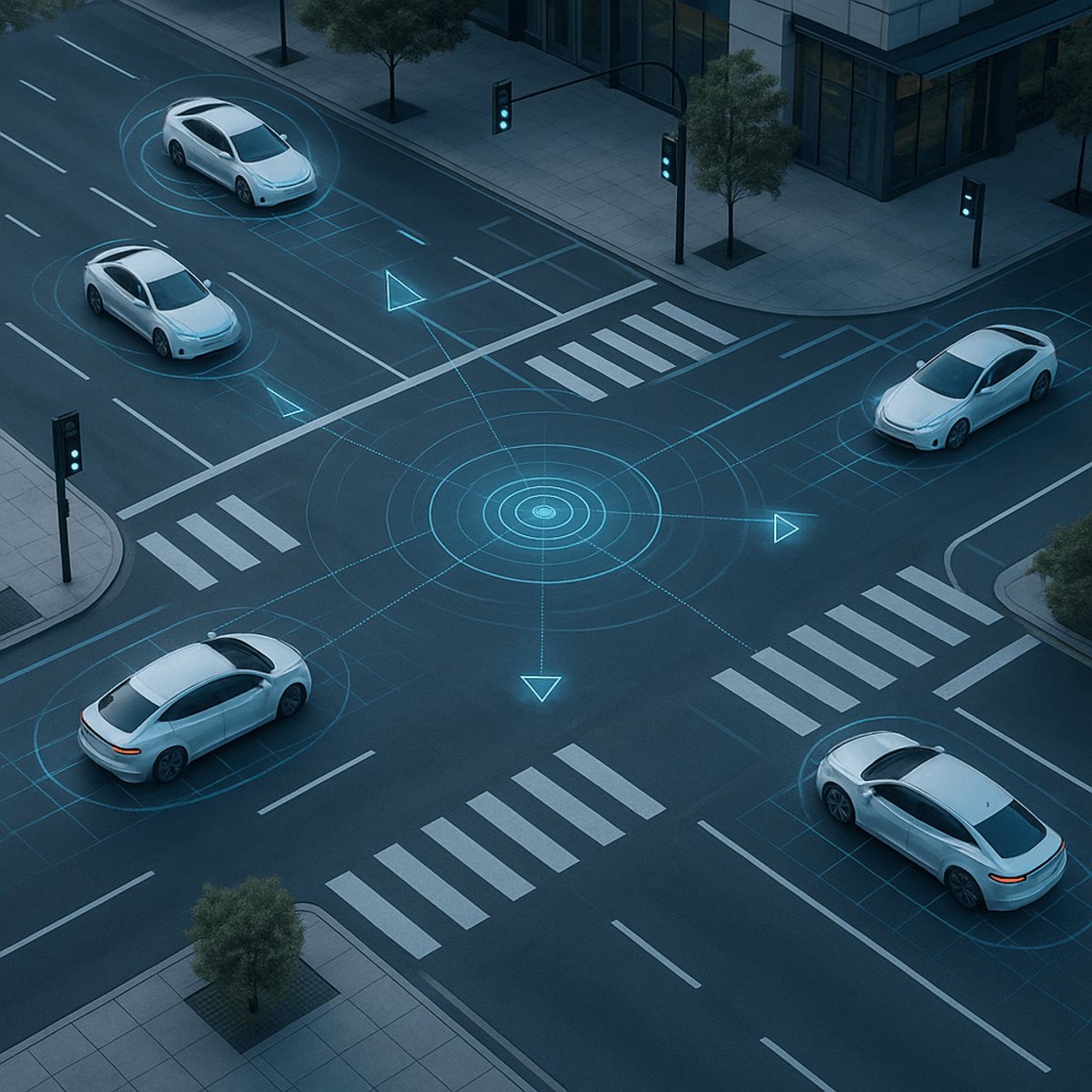
The timing couldn't be better. Waymo and Zoox are rapidly expanding their robotaxi deployments, while companies like Tesla continue pushing the boundaries of autonomous driving capabilities. But as these services scale, the coordination challenges multiply exponentially. Think about it: when dozens of different autonomous vehicles from various companies all try to navigate the same shopping center parking lot, someone needs to manage that traffic.
Autolane's approach deliberately avoids public infrastructure. "We don't work on public streets. We don't work with public parking spots," Seidl said. Instead, the company focuses on private property owners like Costco, McDonald's, or Home Depot who want to welcome autonomous vehicles but need systems to manage them efficiently.
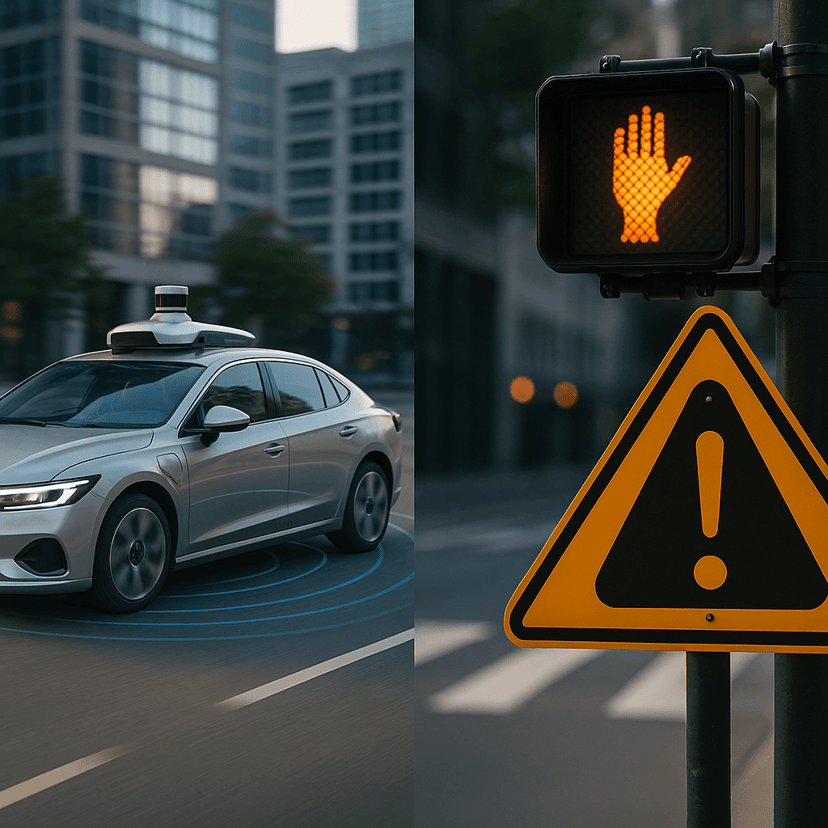
The technical challenge isn't trivial. "Anyone can make a sign," Seidl acknowledged. "That's not the case, though, for autonomy. Robotics need precise instructions and precise geolocation and technological communication. You can't just put up a white sign with some black letters and hope for the best with 10 different types of robotics coming in."
Autolane's solution involves building APIs that connect directly with autonomous vehicle companies, allowing businesses to communicate their specific rules and designated zones. The platform essentially tells incoming robotaxis: park here, wait there, follow this route to the exit.
Seidl believes Autolane has first-mover advantage in a market that's about to explode. "We don't have any direct competition right now," he said, though he expects that to change soon as the autonomous vehicle industry continues its exponential growth trajectory.
The broader implications extend far beyond just managing robotaxi pickups. As autonomous vehicles become capable of handling more complex tasks - grocery runs, package deliveries, equipment transport - the coordination layer becomes even more critical. Autolane positions itself as the essential middleware between the physical world and the autonomous future.
Autolane's $7.4 million funding round signals that investors recognize the coordination challenge facing the autonomous vehicle industry. As robotaxis multiply and expand into new use cases, the need for traffic orchestration becomes critical infrastructure. With Simon Property Group as its anchor client and no direct competitors yet, Autolane has positioned itself to capture significant value in the emerging autonomous economy. The real test will be execution speed - Seidl knows this first-mover advantage won't last long as the AV industry's exponential growth attracts more players to solve the same coordination problems.