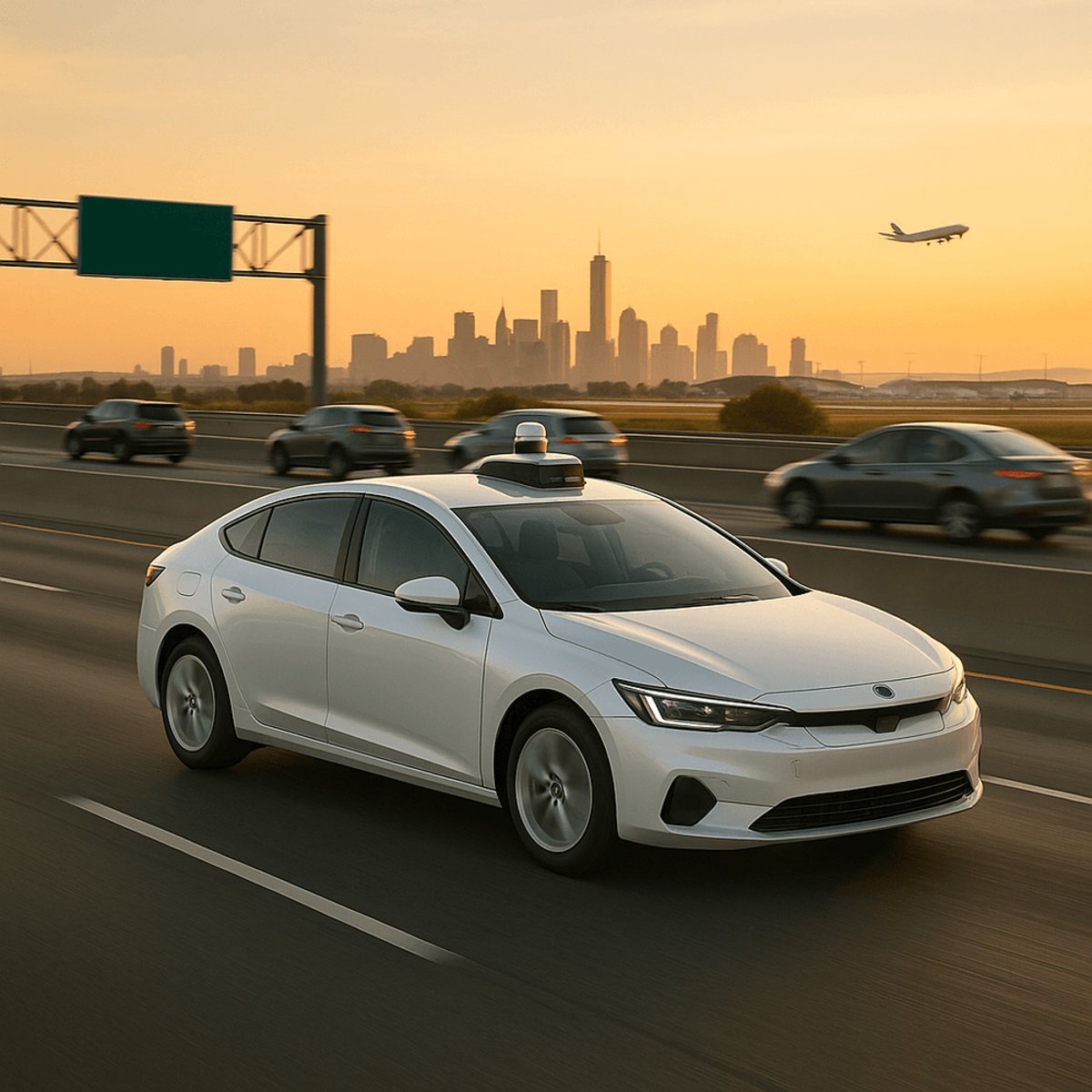
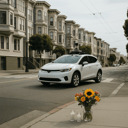
Waymo just cleared its biggest operational hurdle yet. The Alphabet subsidiary announced Wednesday it's launching freeway rides across Los Angeles, San Francisco, and Phoenix - a move that slashes trip times by up to 50% and opens airport routes that could transform urban mobility. After 16 years of development, autonomous vehicles are finally hitting highways at commercial scale.
The moment autonomous vehicle engineers have been working toward for nearly two decades just arrived. Waymo broke through the freeway barrier Wednesday, announcing its robotaxis will now use highways across three major metropolitan areas - a breakthrough that cuts ride times in half and unlocks the holy grail of driverless transportation: seamless airport connections.
The expansion represents the most significant leap in commercial autonomous driving since Waymo first launched paid rides in Phoenix five years ago. According to company statements, freeway-enabled trips will reduce travel times by up to 50% across Los Angeles, San Francisco, and Phoenix metro areas.
"Freeway driving is one of those things that's very easy to learn, but very hard to master when we're talking about full autonomy without a human driver as a backup, and at scale," Waymo co-CEO Dmitri Dolgov told reporters during a media briefing. "It took time to do it properly, with a strong focus on system safety and reliability."
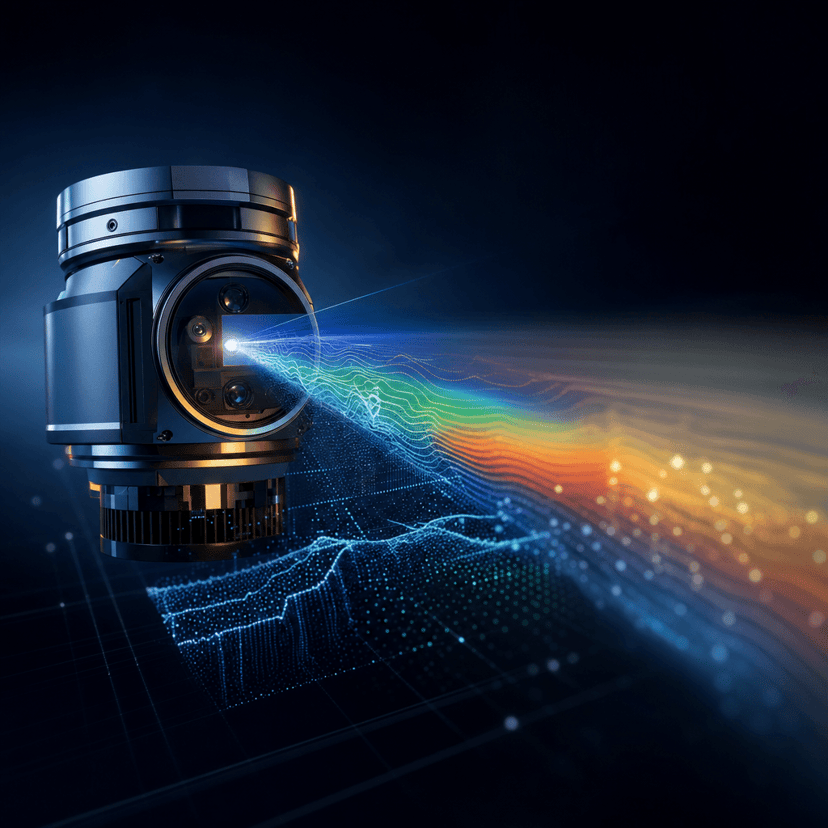
The technical challenge was immense. While many assume highway driving is simpler than navigating city streets, Waymo principal software engineer Pierre Kreitman explained the counterintuitive reality: critical events happen less frequently on freeways, giving the AI system fewer opportunities to learn from rare but dangerous scenarios. The company solved this through extensive closed-course testing and simulation work.
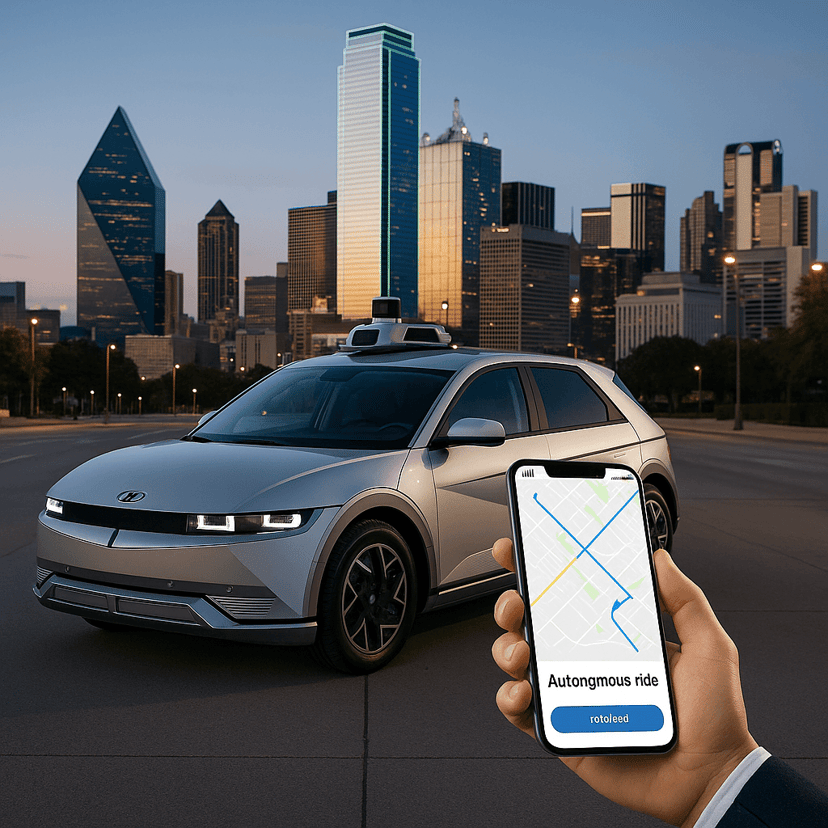
For riders, the impact is immediate and practical. Waymo's service area now spans 260 miles from San Francisco to San Jose, creating the first truly regional autonomous vehicle network. More importantly, the company can finally offer rides to major airports - launching curbside service at San Jose Mineta International Airport while expanding its existing Phoenix Sky Harbor operations.
The rollout follows a measured approach. Initially, only riders who opt-in through the Waymo app will be matched with freeway trips. The company has been testing highway operations with employees for over a year, while TechCrunch reported spotting test vehicles on LA freeways throughout 2025.
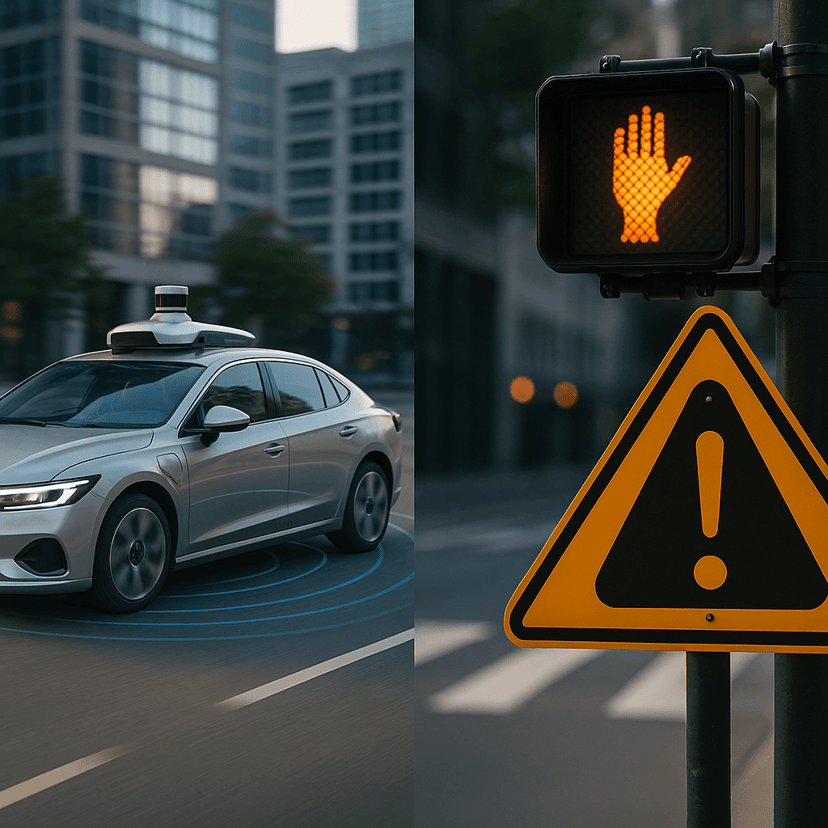
Behind the scenes, Waymo expanded its operational protocols to coordinate with highway patrol agencies across California, Arizona, and other states. The company also developed new software to handle the complex transitions between surface streets and freeways - ensuring vehicles recognize and adapt to different road contexts seamlessly.
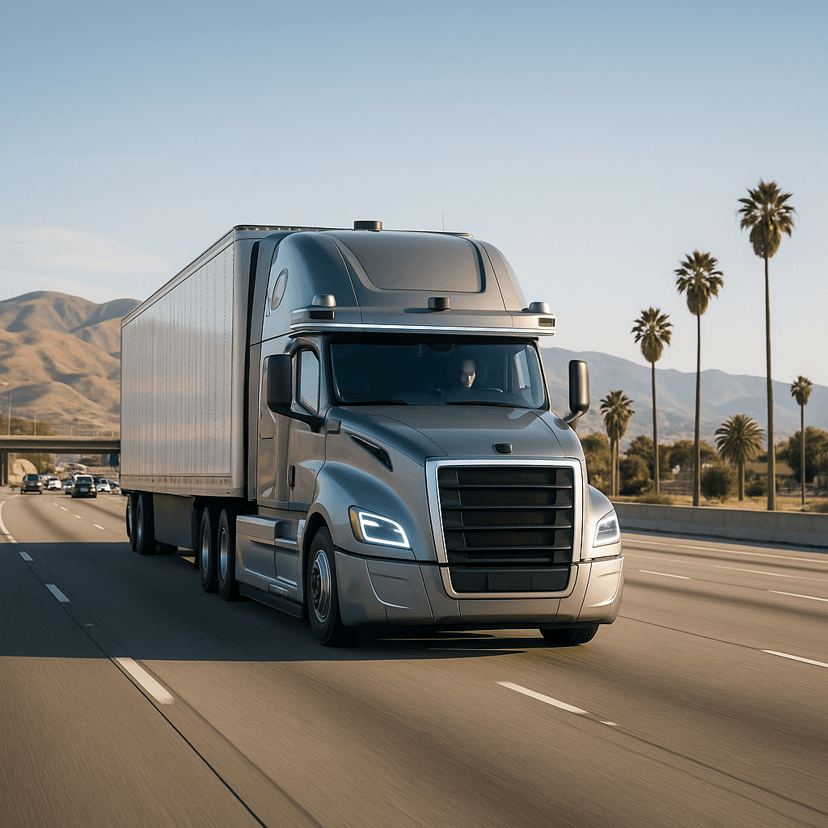
This expansion positions Waymo significantly ahead of competitors in the autonomous vehicle race. While companies like Tesla promise full self-driving capabilities and startups like Cruise rebuild after setbacks, Waymo now operates the only commercial robotaxi service with highway access across multiple major markets.
The move comes at a critical time for Alphabet's Other Bets division, which has invested billions in Waymo over the years. Freeway access dramatically expands the addressable market - particularly for longer trips between suburbs and business districts that make up much of urban transportation demand. The 50% time reduction could attract commuters who previously found robotaxis too slow for daily use.
Industry analysts see this as a watershed moment. The ability to seamlessly blend city and highway driving demonstrates the maturation of autonomous vehicle technology beyond controlled environments. It also validates Waymo's cautious, incremental approach versus the more aggressive timelines promised by competitors.
Waymo's freeway expansion isn't just a technical milestone - it's the moment autonomous vehicles truly become viable alternatives to human-driven cars for most urban transportation needs. With airport connections, 50% faster trips, and seamless highway integration, the company has built the infrastructure for autonomous vehicles to move from novelty to necessity. The question now isn't whether driverless cars will reshape transportation, but how quickly other cities will demand similar service.