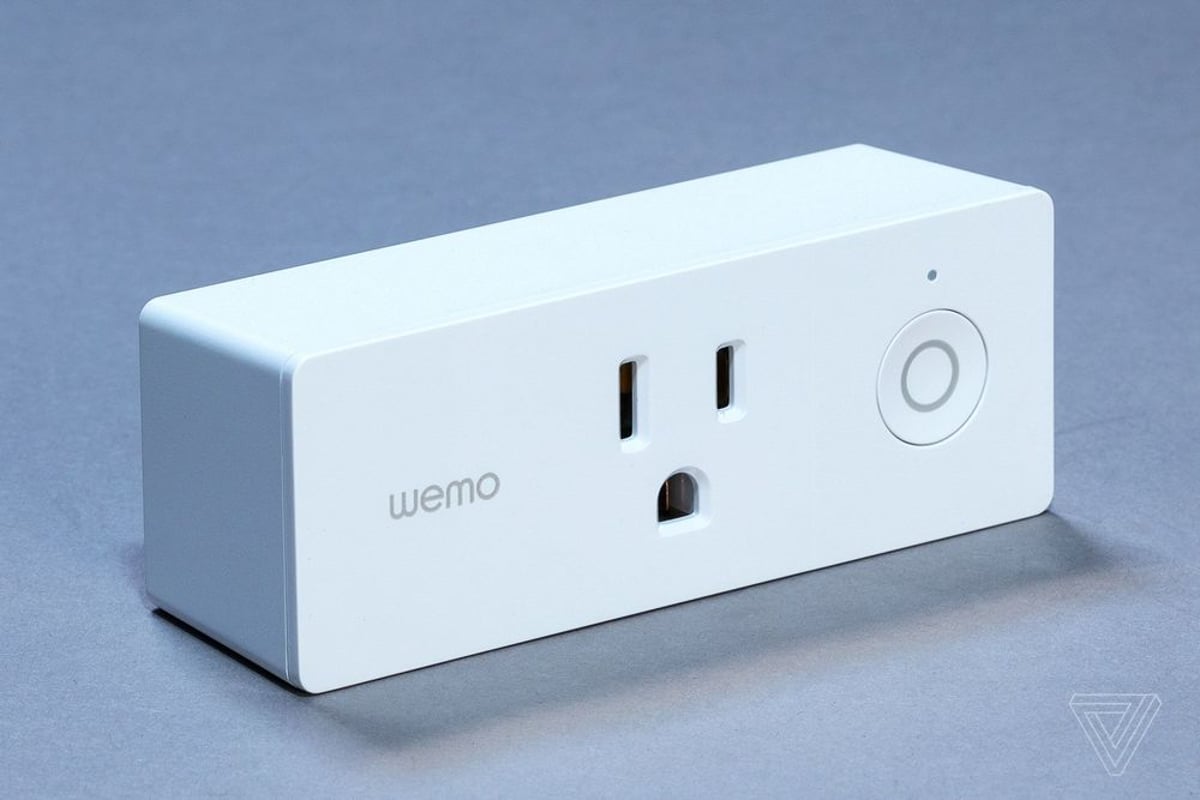
Starting Saturday, thousands of smart home users will wake up to find their Belkin Wemo devices suddenly stripped of remote access, voice control, and app functionality. The shutdown, first announced last July, affects nearly every Wemo product from smart plugs to connected coffee makers, leaving customers with little more than glorified manual switches. Only a handful of newer Thread-based devices and HomeKit-configured setups will survive the cutoff, marking one of the most dramatic smart home product sunsets in recent memory.
Belkin is about to turn thousands of smart home devices into expensive paperweights. This Saturday, January 31st, the company flips the switch on Wemo cloud services, stripping nearly its entire product line of the features that made them "smart" in the first place. Remote access? Gone. Voice commands through Google Home and Amazon Alexa? Dead. App updates? Finished.
The move affects everything from the popular Wemo Smart Plug Mini to the company's connected coffee maker, leaving users with devices that only work via manual button presses. According to Belkin's support documentation, just four Thread-based devices will continue functioning: the 3-way smart light switch (WLS0503), stage smart scene controller (WSC010), smart plug with Thread (WSP100), and smart video doorbell camera (WDC010).
Belkin first dropped this bomb back in July, giving customers roughly six months' notice before pulling the plug. But the timing feels especially brutal for anyone who invested in Wemo devices during the pandemic smart home boom. Those Wi-Fi-enabled plugs and switches that promised convenience and automation are about to become relics of a different era.
There's one lifeline, but it comes with strings attached. Wemo devices already set up in Apple's HomeKit ecosystem will keep working after the shutdown - but only if users configure them before Saturday's deadline. Miss that window, and you're out of luck. The HomeKit integration essentially bypasses Belkin's dying cloud infrastructure, routing commands through Apple's local network protocols instead.
The shutdown exposes a deeper problem plaguing the smart home industry. When companies decide cloud services are no longer profitable to maintain, customers lose functionality they paid for. Unlike traditional electronics that work until they physically break, cloud-connected devices can be rendered useless by executive decisions made thousands of miles away from your living room.
Google and Amazon have both faced similar criticism when discontinuing smart home products and services. Nest famously bricked its Revolv smart home hub in 2016, and Google shut down its Works with Nest program, forcing migrations that left some third-party integrations broken. But Belkin's Wemo shutdown affects a much larger installed base, with the company having sold millions of devices since launching the line over a decade ago.
Belkin is offering partial refunds for devices still under warranty, though the company hasn't specified what "partial" means or how the reimbursement process works. Most affected users likely bought their devices years ago, putting them well outside any warranty window. The support center page offers little comfort beyond confirming the obvious: your stuff is about to stop working.
The shift to Thread-based devices signals where Belkin wants to go next. Thread is a low-power wireless networking protocol designed specifically for smart home devices, and it's gaining traction as part of the Matter standard backed by Apple, Google, and Amazon. Unlike Wi-Fi devices that depend on cloud servers, Thread creates mesh networks that work locally, making them more resilient to exactly this kind of service shutdown.
But that's cold comfort for current Wemo owners staring down Saturday's deadline. The company isn't offering trade-in programs or meaningful discounts on newer Thread-compatible hardware. You're essentially being told to buy all new stuff if you want smart home functionality, even though your existing devices still physically function.
The incident raises uncomfortable questions about what "ownership" means in the age of connected devices. You may have paid for a smart plug, but did you really own it if its core features depended on a company's ongoing willingness to run servers? Consumer protection laws haven't caught up to this reality, leaving buyers with little recourse when manufacturers pull the rug out.
Some users are already exploring workarounds through open-source home automation platforms like Home Assistant, which can locally control some Wemo devices without cloud connectivity. But these solutions require technical know-how well beyond what most consumers signed up for when they bought a plug-and-play smart outlet at Best Buy.
Saturday's Wemo shutdown is a wake-up call about the fragility of cloud-dependent smart home ecosystems. Thousands of customers are about to lose functionality they paid for, with minimal compensation and no real alternative except buying new hardware. As the industry shifts toward local protocols like Thread and Matter, incidents like this underscore why interoperability and local control matter more than flashy app features. For anyone building out a smart home, Belkin's move is a stark reminder: if it needs the cloud to work, it can stop working whenever someone decides to turn off the servers.