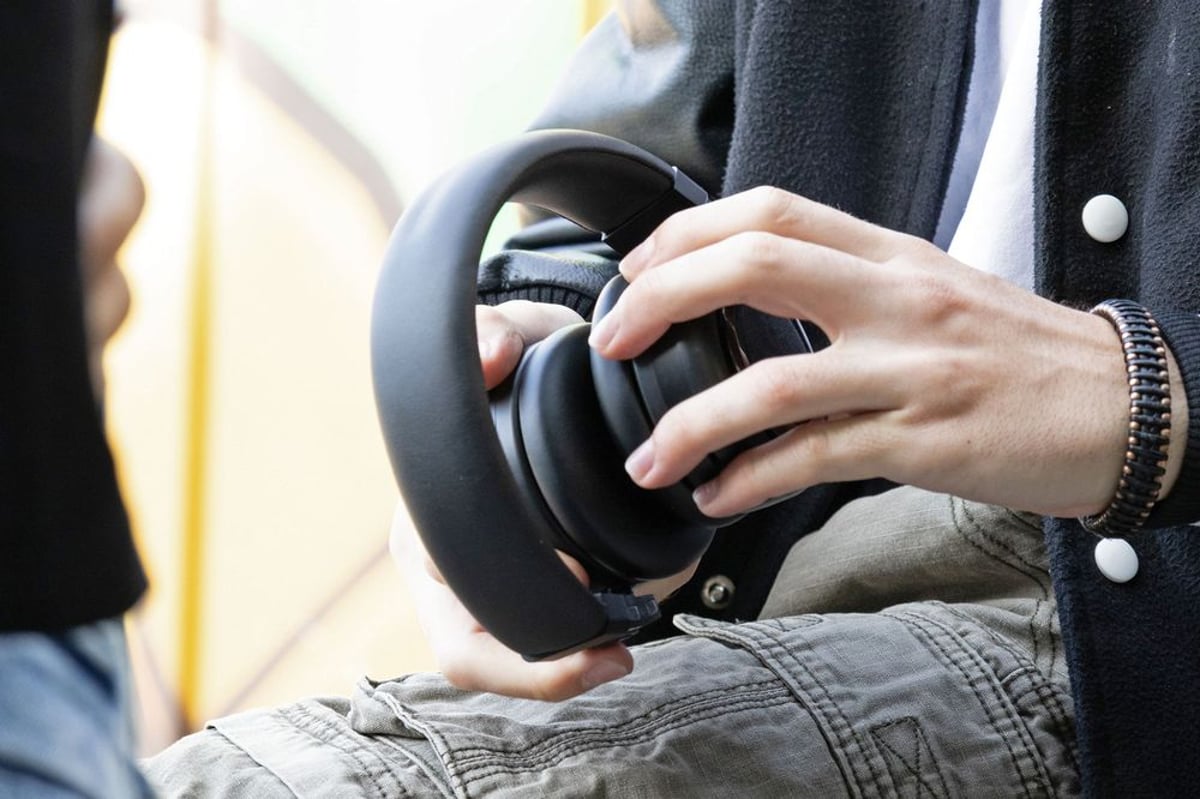
A new hardware startup called Tomorrow Doesn't Matter is betting consumers want headphones that moonlight as Bluetooth speakers. The company's Neo headphones - unveiled at CES 2026 to puzzled looks and curious demos - will launch their crowdfunding campaign on February 10th, pushing back from an originally planned January debut. The device transforms from over-ear headphones into a compact speaker by rolling up like a hedgehog, a feature no other audio maker has attempted. It's the kind of novelty play that either finds a cult following or disappears into Kickstarter's graveyard of over-engineered gadgets.
Tomorrow Doesn't Matter just pushed back its crowdfunding timeline, but the startup's ambitious Neo headphones are still coming. The company announced the Kickstarter campaign will open February 10th, roughly two weeks later than originally promised during the product's CES 2026 showcase.
The Neo headphones tackle a problem most people didn't know existed - switching from personal listening to sharing audio with a group. TDM's solution involves dual-driver earcups that physically roll up to transform the headphones into a portable Bluetooth speaker. It's engineering for engineering's sake, but that's exactly what crowdfunding platforms tend to reward.
Pricing sits at $249 for the July 2026 retail launch, though Kickstarter backers can lock in early-bird pricing at $179. That's a $70 discount for those willing to bet on an unproven brand with no shipping track record. The company promises each earcup houses both inward and outward-facing 40mm drivers - private listening mode uses the internal drivers while speaker mode activates the external ones.
The Verge's John Higgins got hands-on time with working prototypes during CES, finding the transformation mechanism "easy and fast" despite the headphones feeling noticeably heavy. That weight comes from doubled-up driver arrays and the battery capacity needed to power both configurations. According to Higgins' Instagram demo, the rolling process was "a little bit of fun" - though fun doesn't always translate to practical.
Tomorrow Doesn't Matter faces the classic hardware startup challenge: building hype for a category-defying product that requires consumer behavior change. The portable speaker market already has established players like JBL and UE Boom, while headphone buyers typically prioritize sound quality and comfort over transformation gimmicks. The Neo needs to excel at both jobs or it risks being mediocre at everything.
The February 10th launch date gives TDM extra time to finalize manufacturing partnerships and refine its pitch. Crowdfunding delays before a campaign even starts often signal production complexity or last-minute design tweaks. For a product relying on mechanical transformation and dual audio modes, quality control becomes critical - one faulty hinge mechanism could sink the entire concept in early reviews.
What makes this launch particularly interesting is TDM's positioning as a completely new player. The company has no previous products, no established supply chain relationships, and no brand recognition beyond its CES floor presence. That puts enormous pressure on the Kickstarter campaign to not just fund but overfund, creating momentum that signals market validation to potential retail partners.
The five-month gap between the February crowdfunding close and July delivery window is ambitious for hardware. Most Kickstarter projects in the audio space face 6-12 month delays from their original shipping estimates. TDM will need flawless execution across tooling, component sourcing, quality testing, and logistics - a tall order for any startup, let alone one building a mechanically complex first product.
Early backers are essentially beta testers paying $179 for the privilege. The question is whether the novelty of rolling headphones into a speaker justifies carrying a heavier device when standalone options for both use cases already exist at similar or lower price points.
TDM's Neo headphones represent the kind of ambitious hardware gamble that defines early-stage consumer electronics - a product solving a problem most users haven't articulated, banking on novelty to carve out market space. The February 10th Kickstarter will test whether enough people find value in combining two audio devices into one transforming gadget, or if the concept joins the long list of CES curiosities that looked better on the show floor than in actual use. For a startup with no track record, the real product isn't just the headphones - it's whether they can execute on manufacturing, shipping, and support promises that have sunk countless crowdfunded hardware projects before them.