The promise of companion robots keeps resurfacing, but does it deliver? The Verge's Victoria Song spent six weeks with Mirumi, a fluffy pink social robot from Japanese startup Yukai Engineering that's designed to combat loneliness by mimicking a shy infant. The verdict? While research shows robotic pets can improve well-being for dementia patients, Mirumi proved adorably boring for most humans - but became a beloved two-week obsession for Song's cat. The review raises uncomfortable questions about whether manufactured friendship, no matter how cute, can ever replace genuine human connection in an increasingly isolated world.
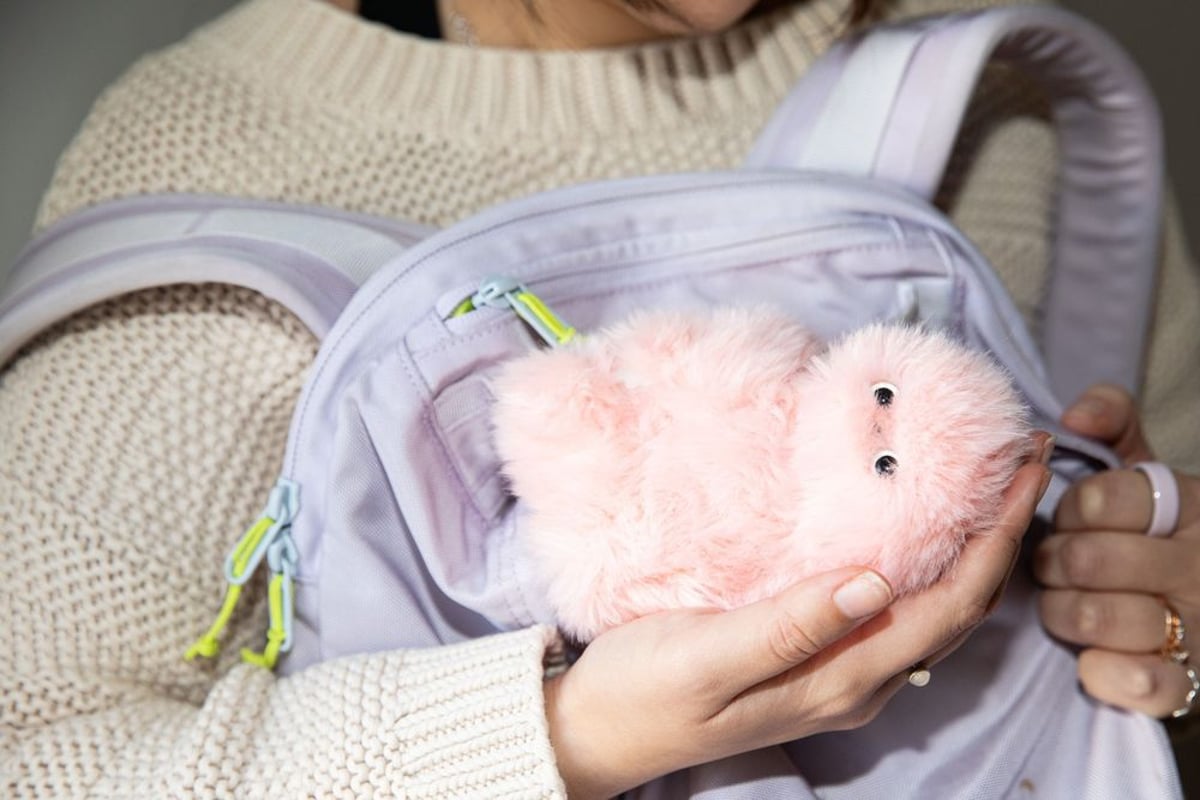
Unboxing Yukai Engineering's Mirumi triggers an unexpected time warp for The Verge senior reviewer Victoria Song. The fluffy pink robot - with its owlish face and surprisingly strong slothlike arms - transports her back to 2011 Tokyo, where she was researching why Japan's reputation for advanced robotics didn't translate to the Fukushima disaster response. Back then, the Japanese government chose iRobot's American-made PackBot over domestic options. The reason? Japanese robots have always been envisioned as friends rather than faceless workers - think furry seal-shaped Paro bots soothing dementia patients or Honda's now-defunct Asimo.
Fast forward to 2026, and Mirumi represents the latest iteration of this philosophy. The startup's creation hangs on purse straps and backpacks, using sensors to detect humans and peer curiously with googly eyes before ducking away shyly. It's designed specifically to ease the loneliness epidemic that's hitting aging populations in Japan and across Asia particularly hard. According to research published in the National Institutes of Health, robotic pets "enhanced well-being and quality of life" for older dementia patients during COVID-19 lockdowns. Chronic loneliness has been linked to worse physical and mental health outcomes by the American Psychological Association, making the case for companion bots more urgent.
But theory and practice diverge sharply in Song's six-week test. On her packed New York commute, Mirumi's head-swiveling act garnered zero attention - perhaps New Yorkers dismissed it as another insufferable Labubu knockoff. At the office, coworkers smiled at the oddly loud mechanical whirr when Mirumi turned to look at people, then promptly forgot about it. The most attention came when Song plugged a USB-C cable into the bot's rear end, creating a borderline obscene sight that got a few laughs.
"Everyone agrees it's stinkin' cute," Song writes. "It's also ignored a few hours later, hidden under my heavy winter coat, at impromptu after-work drinks."
The real story emerged at home. From the moment Mirumi whirred to life, Song's cat Petey fell into swift, murderous love. His pupils widened. His claws unsheathed. What followed was a two-week saga of decapitation and pursuit - Petey batting at Mirumi, leaving the bot's fur matted with slobber on the office floor. Whenever Song came home, Petey waited at the door not for her, but for the robot. The simple mechanics meant she could just pop Mirumi's head back on after each attack.
But once Petey could dismember Mirumi at will, he too lost interest. The hunt was everything. The conquest meant nothing.
Song's experience crystallized during a performance of "Maybe Happy Ending" on Broadway - a show about two discontinued helper robots contemplating their planned obsolescence in a Korean retirement complex. The narrative hit hard. Both of Song's parents died from neurodegenerative diseases complicated by frontotemporal dementia. Both became increasingly isolated and prone to outbursts. Both gradually forgot how to speak English. Song adopted her father's emotional support Yorkie when his condition worsened, but the dog couldn't handle the stress.
Would Mirumi have helped? Clinical research suggests robotic pets significantly improve mood and caregiver interactions with dementia patients. But Song can't shake a darker realization - she forgot to charge Mirumi for weeks. It clung motionless to her bag, and she felt nothing. Compare that to her cat Petey, who she whispers to every morning that he better live forever.
The difference? Reciprocal inconvenience. Petey requires Song to meet his needs, rewarding her with purrs and cuddles. When she's anxious, Petey tolerates extra attention in exchange for treats. With Mirumi, Song can take endlessly without giving anything back. She can predict every move. There's no surprise, no genuine relationship forming.
This pattern extends across the emerging AI companion landscape. Friend hangs around necks but remains a prisoner. Razer's AI waifu and Grok's AI girlfriend listen endlessly to user interests without requiring anything in return. When Sony discontinued Aibo robot dogs, owners held Buddhist funerals - proof that manufactured companions can inspire genuine attachment. But that was before the latest wave of AI companions designed for frictionless, one-sided relationships.
"It's hard to grieve for something that you never loved," Song concludes. She acknowledges that for dementia patients or the severely isolated, one-sided unconditional love might beat nothing. But Mirumi remains cute, predictable, and ultimately easily discarded - raising the question of whether it can ever fulfill our fundamental need for genuine connection.
The review lands as the loneliness epidemic intensifies globally, with declining birth rates and aging populations making companion technology increasingly attractive to investors and policymakers. But if Mirumi's fate is any indication - ignored by humans, decapitated by cats, forgotten in bags with dead batteries - the gap between kawaii aesthetics and meaningful companionship remains vast.
Mirumi's failure to move beyond novelty status exposes the limitations of current companion robot technology, no matter how adorable the packaging. While clinical evidence supports robotic pets for specific populations like elderly dementia patients, the broader loneliness epidemic won't be solved by one-sided relationships that demand nothing from users. Song's cat eventually lost interest once the hunt ended, and she forgot to charge Mirumi for weeks without a second thought - outcomes that reveal how easily we discard companions that never truly inconvenience us. As AI girlfriends, robot pets, and digital friends proliferate, the industry faces a reckoning about whether manufactured connection can ever substitute for the messy, unpredictable, reciprocal nature of genuine relationships. For now, Mirumi sits uncharged in a bag somewhere, cute and utterly forgettable.