Neill Blomkamp just entered the generative AI race. The District 9 director unveiled Barley Studios on Monday alongside Nightborne, a 13-minute sci-fi short created entirely with ByteDance's Seedance 2.0 text-to-video generator. The move signals Hollywood talent betting big on AI filmmaking tools, even as the project draws sharp criticism for its output quality. Blomkamp's positioning this as a technical demo before attempting a full AI-generated feature.
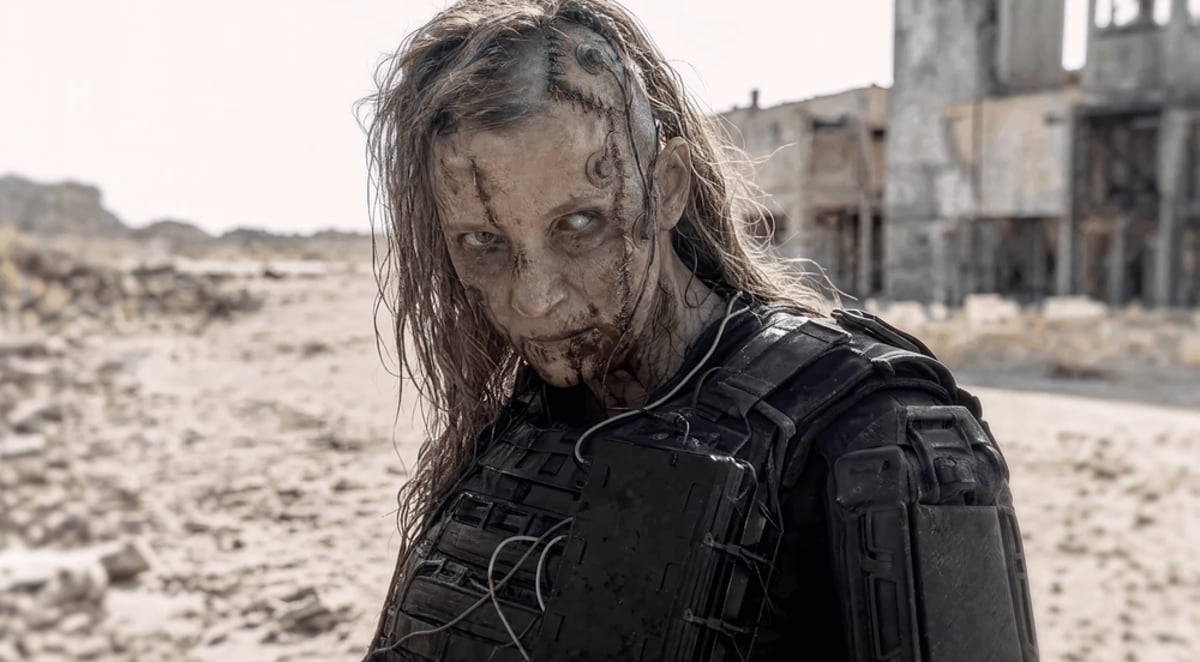
Barley Studios just became the latest AI production company to emerge from Hollywood's creative ranks. Neill Blomkamp, the director behind District 9 and Gran Turismo, dropped Nightborne on Monday - a 13-minute zombie thriller that's less about the story and more about what ByteDance's Seedance 2.0 can actually pull off.
Every single frame came from text-to-video generation. No cameras, no physical sets, no traditional production pipeline. Blomkamp fed prompts into Seedance 2.0 and stitched together a loose adaptation of Peter Watts' 2014 novel Echopraxia. The characters have voices and faces modeled after human actors, but the visuals? Pure generative AI.
"Test start," Blomkamp wrote on X when he released the short. He's already eyeing a full feature film using the same approach, positioning Barley Studios as a production house built around generative video tools rather than traditional filmmaking infrastructure.
The timing matters. ByteDance has been pushing Seedance 2.0 hard against competitors like OpenAI's Sora, which remains in limited preview, and startups like Runway and Pika that are racing to lock down creative industry contracts. Landing a name-brand director gives ByteDance instant credibility with Hollywood decision-makers who are still figuring out whether these tools are production-ready or just expensive demos.
But the reception's been rough. The Verge's Charles Pulliam-Moore didn't hold back in his assessment, calling the project "slop warmed over" in his headline. The critique cuts to the core tension in AI-generated content - the gap between what the technology promises and what it actually delivers. Nightborne reportedly suffers from the telltale artifacts of current-gen video models: inconsistent character rendering, uncanny valley facial expressions, and that distinctive AI sheen that screams "generated."
Blomkamp's betting that doesn't matter. His play seems less about delivering a polished product now and more about staking territory in an emerging production category. If generative video improves at the pace its backers promise, early movers who understand both filmmaking craft and AI tooling constraints could have a real advantage.
Barley Studios enters a crowded field. Multiple production companies and individual creators are experimenting with AI video tools, from short-form social content to commercial work. The difference is Blomkamp's bringing legitimate filmmaking credentials and industry relationships that could accelerate business development conversations.
For ByteDance, this partnership delivers something money can't easily buy - a public stress test by someone who knows how films actually get made. Blomkamp's presumably pushing Seedance 2.0 in ways typical users wouldn't, identifying failure modes and capability gaps that ByteDance's engineers can prioritize. That feedback loop could sharpen the product faster than internal testing alone.
The business model for Barley Studios remains unclear. Is this a services play, offering AI-generated content production to clients? A technology development shop building proprietary tools on top of platforms like Seedance? Or just Blomkamp's personal creative outlet that happens to double as a marketing vehicle for ByteDance's video generator?
What's certain is the experiment puts pressure on traditional production economics. If a recognized director can ship a 13-minute short without camera crews, location permits, or post-production facilities, the cost structure for certain content categories could collapse. Not feature films yet, but explainer videos, proof-of-concepts, pre-visualization, and other production categories that currently eat significant budget.
The quality critique matters more than Blomkamp might want to admit, though. Businesses evaluating AI video tools care about output that meets their brand standards, not just technical possibility. If Nightborne looks like "slop" to reviewers, that's a red flag for marketing teams considering Seedance 2.0 for commercial work.
Still, first-generation products rarely represent final-state capabilities. The question is velocity of improvement and whether ByteDance can tighten quality fast enough to justify enterprise adoption. Blomkamp's essentially betting his creative reputation that the answer is yes.
Blomkamp's Barley Studios launch is less about whether Nightborne succeeds as entertainment and more about whether Hollywood talent can build sustainable businesses around generative video tools. The criticism suggests current AI video generation isn't ready for primetime creative work, but ByteDance gets a high-profile testing partner and Blomkamp secures early positioning in a category that could reshape content production economics. The next few months will show whether this is visionary or just an expensive bet on immature technology. Watch how ByteDance responds to the quality feedback and whether other directors follow Blomkamp's lead.