TL;DR:
• Trump negotiated 15% federal cut from Nvidia's China chip sales after starting at 20%
• Nvidia can resume H20 chip sales to China, worth $8B+ annually before export ban
• AMD also paying 15% cut for China-focused AI chip export licenses
• Trump calls H20 "obsolete" but refuses Blackwell deals without major downgrades
President Trump just extracted an unprecedented 15% cut from Nvidia's China AI chip sales after a high-stakes White House negotiation with CEO Jensen Huang. The deal resurrects Nvidia's $8 billion H20 chip business while establishing a new federal revenue stream from AI exports that could reshape how tech giants access global markets.
The semiconductor world just witnessed its most dramatic policy shift since the original China export controls. Nvidia CEO Jensen Huang walked out of the White House Friday with permission to resume selling AI chips to China, but at a steep price: the federal government now takes a 15% cut of every sale.
"I said, 'listen, I want 20% if I'm going to approve this for you, for the country,'" Trump revealed during a Washington press conference Monday. The admission exposes how the administration views tech exports as direct revenue opportunities, not just national security tools.
Nvidia shares initially dipped on the news before recovering as investors digested the implications. The company had been locked out of its China business since May, when Huang admitted the export restrictions "effectively closed" a market Nvidia expected to generate $8 billion in H20 chip sales during the July quarter alone.
The H20 represents a fascinating case study in geopolitical chip design. Nvidia created the processor specifically for Chinese buyers after the Biden administration's 2023 export controls, deliberately slowing down performance from its flagship H100 and H200 chips used in American data centers. Trump now dismisses it as obsolete technology.
"He's selling an essentially old chip," Trump said, claiming Huawei already produces similar hardware. "The H20 is an old chip that China already has." The characterization reveals how quickly AI chip advantages can evaporate in Washington's calculations, even as the same processors power billions in Chinese AI development.
But Nvidia's crown jewel remains off-limits. Trump drew a hard line at the company's cutting-edge Blackwell architecture, calling it "super-duper advanced" and declaring he wouldn't approve sales without crippling 30-50% performance cuts. "That's the latest and the greatest in the world. Nobody has it. They won't have it for five years," he said.
The revenue-sharing model extends beyond Nvidia. A White House official confirmed to CNBC that AMD, the second-largest AI chip maker, will also pay 15% on sales of its China-focused Instinct MI308 processor. The precedent suggests every major semiconductor company seeking Chinese market access faces the same toll.
Huang's position throughout the saga has remained consistent: American chips in Chinese hands serve U.S. interests better than forcing China to develop domestic alternatives. "It is better for U.S. national security if Chinese AI developers use U.S. technology," he's argued, warning that denial would "actually encourage the Chinese chip industry to develop and catch up."
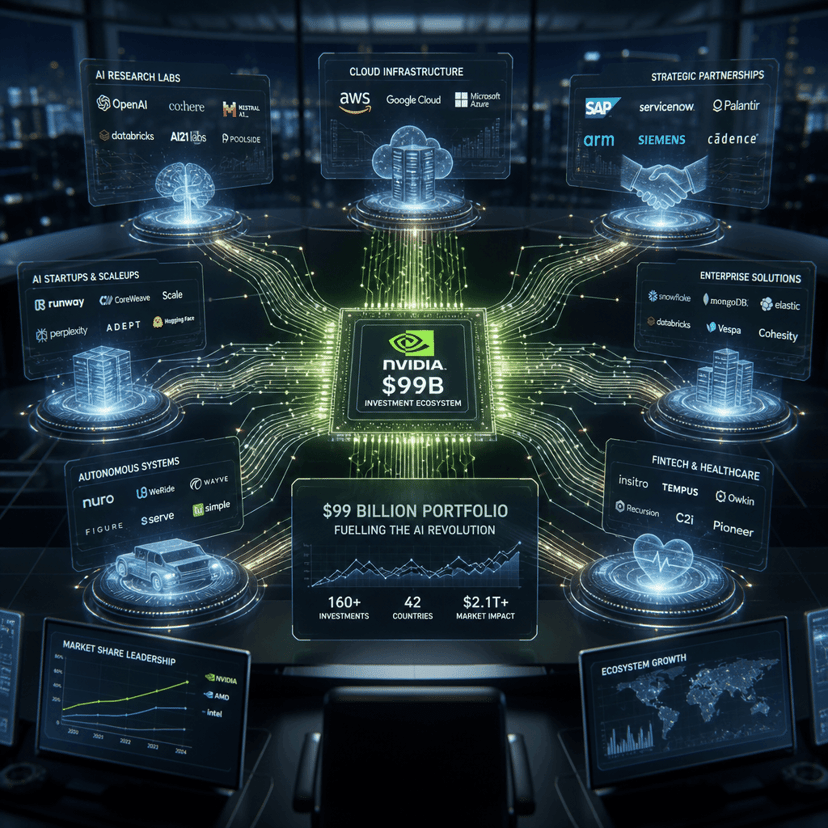
The timing couldn't be more critical for Nvidia. The company dominates global AI chip sales with roughly 80% market share, but China represented one of its fastest-growing regions before export restrictions. Competitors like Huawei and domestic Chinese chipmakers have been racing to fill the void, making every month of delay potentially irreversible market share.
Trump hinted the negotiation isn't over. "I think he's coming to see me again about that," he said, referring to potential Blackwell discussions. The comment suggests Nvidia may eventually seek permission for downgraded versions of its most advanced chips, potentially at even steeper federal revenue shares.
The 15% cut establishes an entirely new category of federal tech revenue that could generate hundreds of millions annually across the semiconductor industry. With Nvidia alone projecting $8 billion in potential H20 sales, the federal government now stands to collect over $1 billion from a single chip line.
Trump's 15% semiconductor tax fundamentally rewrites the rules of global tech trade, transforming national security export controls into direct federal revenue streams. While Nvidia regains access to an $8 billion market, the precedent signals that every major AI chip maker will face similar extraction as the administration monetizes America's technological advantages. The real test comes when Huang returns to negotiate Blackwell access, potentially at even steeper costs.