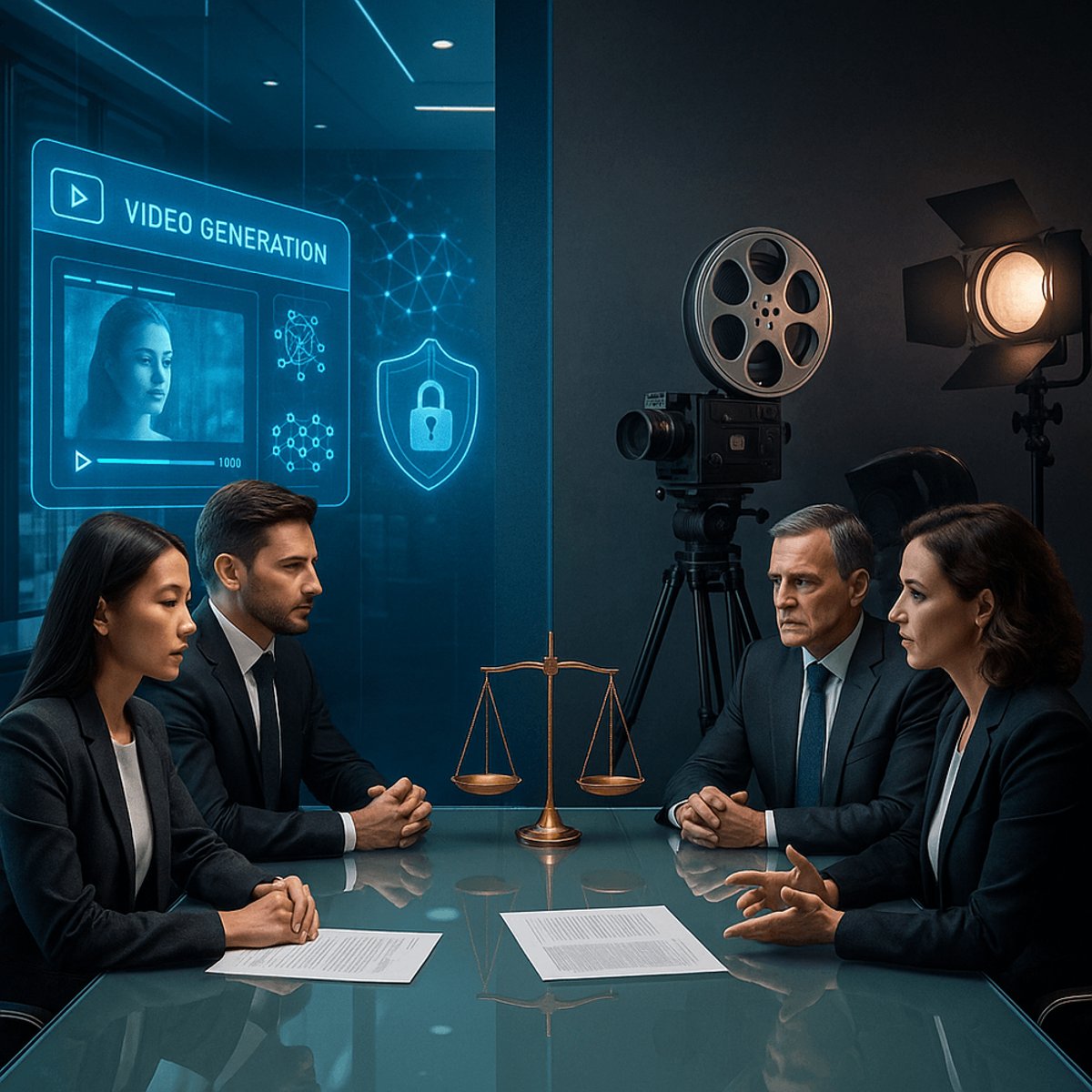
ByteDance is scrambling to add copyright protections to its Seedance 2.0 AI video generator after facing legal threats from Hollywood's biggest studios. The TikTok parent confirmed it will strengthen safeguards on the tool following backlash from Disney, Netflix, Paramount, Sony, and Universal, marking the latest flashpoint in the escalating battle between AI developers and content creators over generative AI training data.
ByteDance just blinked in its standoff with Hollywood. The company behind TikTok announced it will strengthen copyright protections on Seedance 2.0, its powerful AI video generation tool, after facing a united front of legal threats from the entertainment industry's heaviest hitters.
The climbdown comes after Disney, Netflix, Paramount, Sony, and Universal raised alarms about potential copyright infringement in how the tool was trained and what it could produce. According to CNBC, ByteDance confirmed it's working to implement new safeguards, though the company hasn't detailed exactly what those protections will look like or when they'll be deployed.
The timing couldn't be more sensitive. Generative AI video tools have exploded in capability over the past year, with companies racing to release products that can turn text prompts into Hollywood-quality footage. But that race has collided head-on with fundamental questions about intellectual property - specifically, whether these models were trained on copyrighted film and TV content without permission.
Seedance 2.0 represents ByteDance's ambitious push into AI-generated video, a space where competitors like OpenAI with Sora and startups like Runway have already staked claims. The tool can generate photorealistic video clips from text descriptions, raising both excitement about creative possibilities and alarm bells about potential misuse. Hollywood studios worry that AI tools trained on their content could eventually replace human creators or flood the market with derivative works.
The entertainment industry has been preparing for this fight. The Motion Picture Association, which represents the major studios, has been vocal about protecting copyrighted content from AI training datasets. The legal theory is straightforward: if ByteDance used copyrighted films and shows to teach Seedance 2.0 how to generate video, that could constitute mass copyright infringement, even if the output doesn't directly copy existing works.
ByteDance's decision to add safeguards suggests the company recognized the legal exposure. With studios threatening litigation and potential damages that could reach into the billions, the calculus shifted quickly. The company likely weighed the cost of implementing content filters and usage restrictions against the risk of protracted legal battles with some of the world's most litigious corporations.
But the details matter enormously. Effective safeguards could mean anything from watermarking AI-generated content to implementing filters that prevent the tool from creating videos in specific styles or featuring recognizable characters. Some AI companies have explored using only licensed or public-domain training data, though that approach significantly limits model capabilities. ByteDance hasn't specified which path it will take.
The controversy also puts ByteDance in an uncomfortable spotlight as it continues to face scrutiny in the U.S. over TikTok's data practices and Chinese ownership. Adding a copyright battle with American entertainment giants to that mix creates additional political pressure at a moment when the company can least afford it.
For the broader AI industry, ByteDance's retreat could signal a turning point. As generative AI models become more powerful and their outputs more indistinguishable from human-created content, the legal framework around training data and copyright will determine which companies can operate freely and which face existential legal risk. Several lawsuits against AI companies are already working through the courts, with artists, writers, and publishers all challenging how their copyrighted works were used.
The entertainment industry's unified response to Seedance 2.0 demonstrates that Hollywood learned from the music industry's struggles with digital piracy. Rather than waiting for AI-generated content to disrupt their business models, studios are drawing legal lines early and forcing tech companies to negotiate.
What remains unclear is whether ByteDance's promised safeguards will satisfy the studios or simply delay the inevitable confrontation. If the protections are too weak, litigation could still follow. If they're too strong, Seedance 2.0 might lose the capabilities that made it competitive in the first place.
ByteDance's decision to add copyright safeguards to Seedance 2.0 marks a significant moment in the collision between generative AI and intellectual property rights. Hollywood's united front forced the TikTok parent to back down, but this is just the opening act. How ByteDance implements these protections - and whether other AI video generators follow suit - will shape the future of creative AI tools and determine whether the technology empowers creators or replaces them. For now, the entertainment industry has demonstrated it won't let AI companies train on decades of copyrighted content without a fight, and the tech giants are starting to realize that moving fast and breaking things doesn't work when you're breaking copyright law.