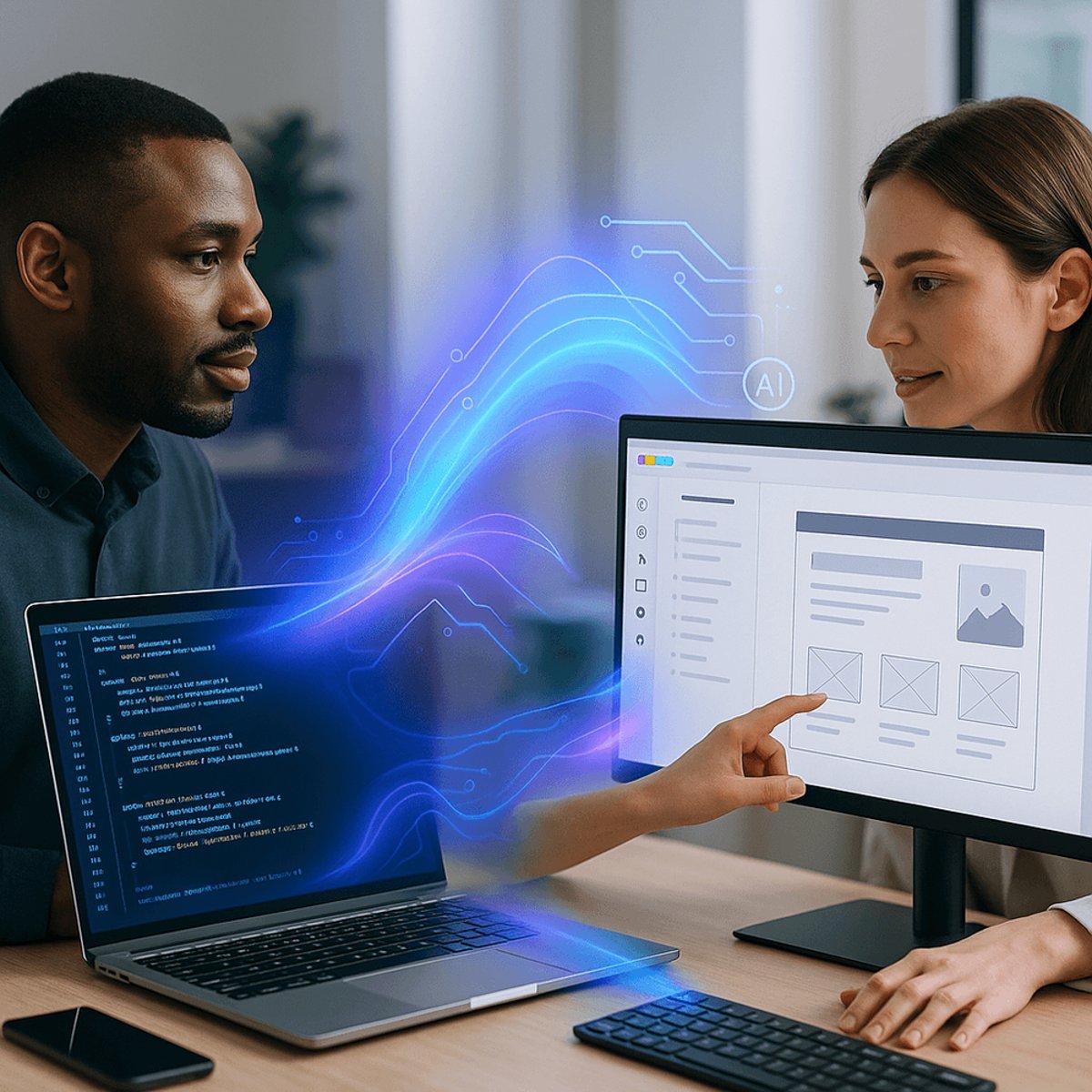
Figma is teaming up with Anthropic to bridge the gap between AI-generated code and visual design. The partnership aims to transform code snippets produced by large language models into fully editable design files, addressing a key pain point for developers and designers working with AI-generated interfaces. The move comes as Figma navigates broader software stock turbulence that's hit Salesforce, ServiceNow, and Intuit.
Figma is making a strategic bet on AI-native workflows. The design platform giant announced a partnership with Anthropic that will allow designers and developers to take code generated by AI models and instantly convert it into editable Figma design files. It's a significant shift in how teams might approach interface design in an era where developers increasingly start with AI-generated code snippets.
The integration addresses a real workflow problem. Right now, when developers use AI tools like Claude or ChatGPT to generate UI code, that code exists in a separate world from the visual design tools designers use. If a designer wants to iterate on an AI-generated interface, they typically need to either recreate it manually in Figma or work directly in code. This new partnership aims to eliminate that friction entirely.
Figma has been pushing deeper into AI-assisted design for months, but this represents a different approach than simply adding AI features to existing tools. Instead of helping designers create from scratch with AI, the company is acknowledging that many interfaces will start as AI-generated code and need to flow backward into design tools. It's a recognition that the traditional design-first, then-code workflow is being disrupted.
The timing is particularly interesting given the broader market dynamics affecting enterprise software companies. Figma finds itself caught in the same software stock selloff that's sent Salesforce, ServiceNow, and Intuit tumbling, according to CNBC. Investors appear increasingly skeptical about enterprise software valuations, particularly for companies that haven't clearly articulated their AI strategy.
This partnership with Anthropic gives Figma a compelling AI narrative at exactly the moment it needs one. Rather than just slapping AI features onto existing products, the company is fundamentally rethinking how design tools fit into AI-native development workflows. That's the kind of strategic positioning that could help differentiate Figma as AI coding assistants become ubiquitous.
The technical implementation will be crucial. Converting code to visual design isn't trivial - it requires understanding intent, design systems, component libraries, and the relationship between code structure and visual hierarchy. Anthropic's Claude models have shown strong reasoning capabilities, which could make them particularly well-suited for this kind of semantic translation between code and design.
For designers, this could represent both an opportunity and a challenge. On one hand, being able to quickly iterate on AI-generated interfaces without recreating them manually removes significant friction. On the other, it potentially shifts more of the initial creative work to developers prompting AI models, with designers entering the process at the refinement stage rather than the conception stage.
The competitive implications extend beyond just design tools. Adobe has been aggressively adding AI features to its creative suite, while newer players like Canva have built AI generation into their core products. Figma needs to stake out distinctive AI capabilities that align with how professional design teams actually work, not just add generative features for the sake of having them.
What's notable is the focus on interoperability. Rather than building a walled garden where everything happens inside Figma, the company is acknowledging that AI-generated code is going to come from multiple sources and needs to flow seamlessly into visual design tools. That suggests a more mature, ecosystem-oriented approach to AI integration than the all-in-one AI design tools some startups are pitching.
The partnership also positions Anthropic deeper into the enterprise tooling market. While much attention has focused on Claude competing with ChatGPT for conversational AI use cases, these kinds of strategic integrations with essential developer and designer tools could be where the real enterprise value gets created. It's one thing to have a great AI model; it's another to have that model embedded in the daily workflows of millions of professionals.
This partnership between Figma and Anthropic signals a fundamental shift in how design tools need to evolve for an AI-first world. Instead of just adding AI features to traditional workflows, Figma is betting that the workflow itself needs to be reimagined - starting with code and flowing backward to visual design. For the millions of designers and developers using both platforms, the promise is less friction between AI-generated code and human-refined design. For Figma, it's a strategic move to stay relevant as AI reshapes how interfaces get built. And for the broader software market watching valuations compress, it's a reminder that the companies with clear, differentiated AI strategies might be the ones that weather the storm.