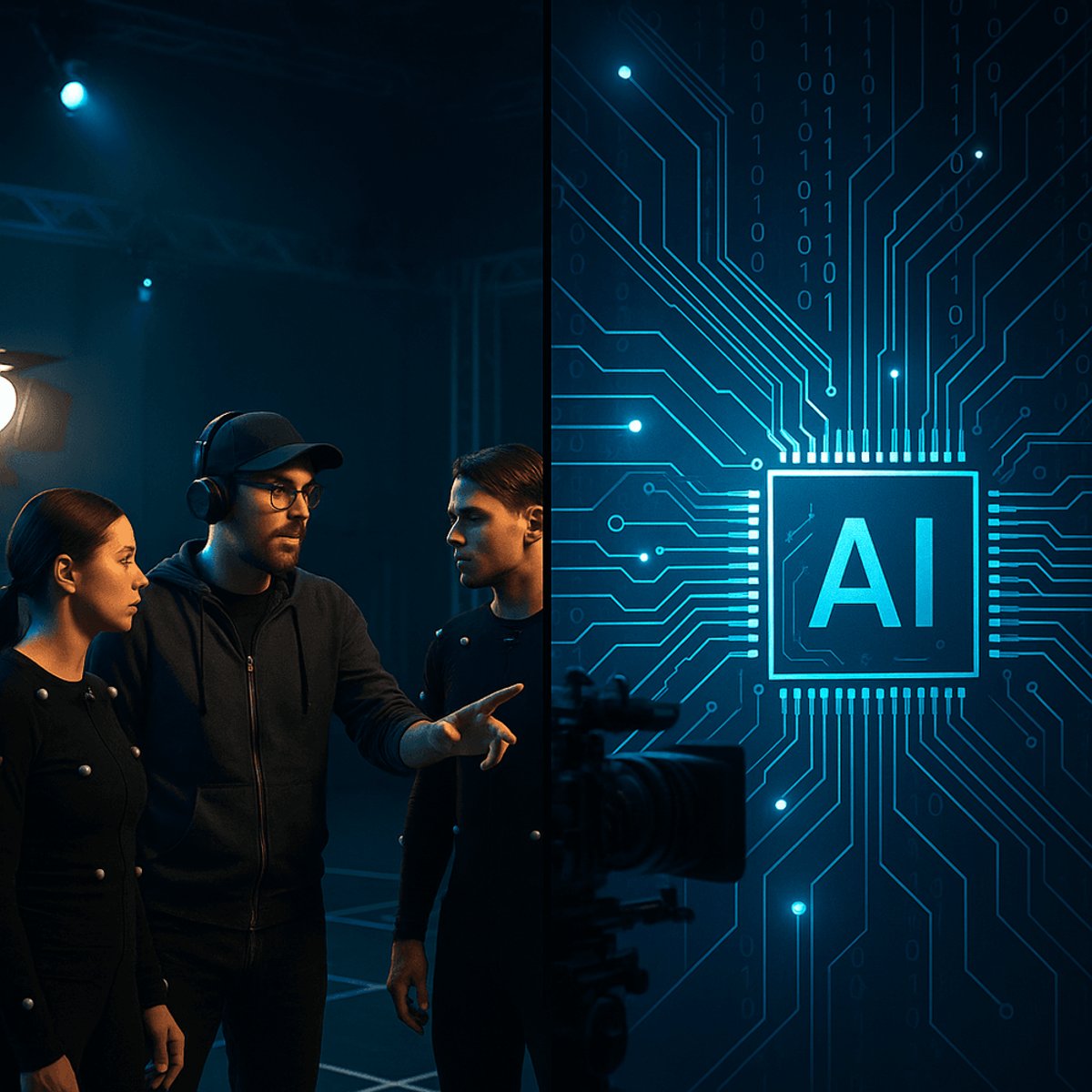
James Cameron just delivered one of the most pointed critiques of generative AI from Hollywood's A-list. The Avatar director called AI-generated performances "horrifying" during a CBS Sunday Morning interview, drawing a sharp line between his performance capture technology and what he sees as AI's threat to human artistry. His comments come as the entertainment industry grapples with AI's expanding role in content creation.
James Cameron isn't mincing words about generative AI. The legendary director behind Titanic and the Avatar franchise just called the technology "horrifying" during a CBS Sunday Morning interview, marking one of the most direct attacks on AI from Hollywood's elite tier.
Cameron's critique comes as he promotes Avatar: Fire and Ash, the third installment in his groundbreaking sci-fi series. But rather than celebrating cutting-edge technology, he's drawing battle lines between human creativity and artificial generation. "Go to the other end of the spectrum and you've got generative AI, where they can make up a character, they can make up an actor, they can make up a performance from scratch with a text prompt," Cameron told CBS. "No, that's horrifying... That's exactly what we're not doing."
The timing isn't coincidental. As OpenAI and other AI companies roll out increasingly sophisticated video generation tools, entertainment industry veterans are watching their craft get digitized in real-time. Cameron's performance capture technology - which brought the blue-skinned Na'vi to life - might sound similar to AI generation, but he argues it's "the opposite."
"For years, there was this sense that, 'Oh they're doing something strange with computers, and they're replacing actors,'" Cameron explained. "When in fact, once you really drill down and you see what we're doing, it's a celebration of the actor-director moment." The CBS segment showcases this philosophy in action, with Avatar cast members performing underwater scenes in a massive 250,000-gallon water tank.
Cameron's stance reflects a broader anxiety rippling through Hollywood. While Meta pours billions into AI research and Google advances its video generation capabilities, traditional filmmakers worry about being sidelined. The recent Hollywood strikes partially centered on AI protections, with writers and actors securing guardrails against algorithmic replacement.
But Cameron's critique goes deeper than job security. He's defending the collaborative magic between director and performer - what he calls the "actor-director moment." In his view, performance capture amplifies human artistry rather than replacing it. Every Na'vi expression stems from an actor's real emotion, captured and translated through sophisticated but human-controlled technology.
The Avatar director's comments carry significant weight given his track record of embracing new technology. He pioneered underwater filming for The Abyss, revolutionized motion capture for Avatar, and consistently pushes visual effects boundaries. When someone with Cameron's tech credentials calls generative AI "horrifying," the industry listens.
This isn't just about preserving traditional moviemaking - it's about defining creativity's future. While AI proponents argue the technology democratizes content creation, Cameron sees it as fundamentally opposed to authentic artistic expression. His 250,000-gallon tank represents hours of human effort, director vision, and actor commitment that no text prompt can replicate.
The debate intensifies as AI video generation improves rapidly. Recent demonstrations from companies like Runway and Pika Labs show increasingly realistic results from simple text descriptions. But Cameron's betting that audiences will ultimately prefer the human touch, even when it's technologically mediated.
As Avatar: Fire and Ash approaches release, Cameron's anti-AI stance could influence how other major directors approach the technology. His comments suggest a potential divide between filmmakers who embrace AI as a tool versus those who view it as an existential threat to human creativity.
Cameron's "horrifying" assessment of generative AI signals a broader reckoning between human creativity and artificial generation. As one of cinema's most tech-forward directors draws this line in the sand, the entertainment industry faces a defining choice: embrace AI as a creative tool or defend traditional human-centered artistry. With Avatar 3's massive production showcasing Cameron's human-first approach, his stance could rally other major filmmakers against AI automation. The real test comes when audiences decide whether they prefer Cameron's actor-driven performances or AI's text-prompt efficiency.