TL;DR:
• Trump administration softens chip export controls but China remains wary of Nvidia
• Chinese officials urging tech firms to avoid U.S. semiconductor purchases
• Beijing prioritizing domestic AI chip development over foreign dependence
• Market access doesn't guarantee market acceptance in new geopolitical reality
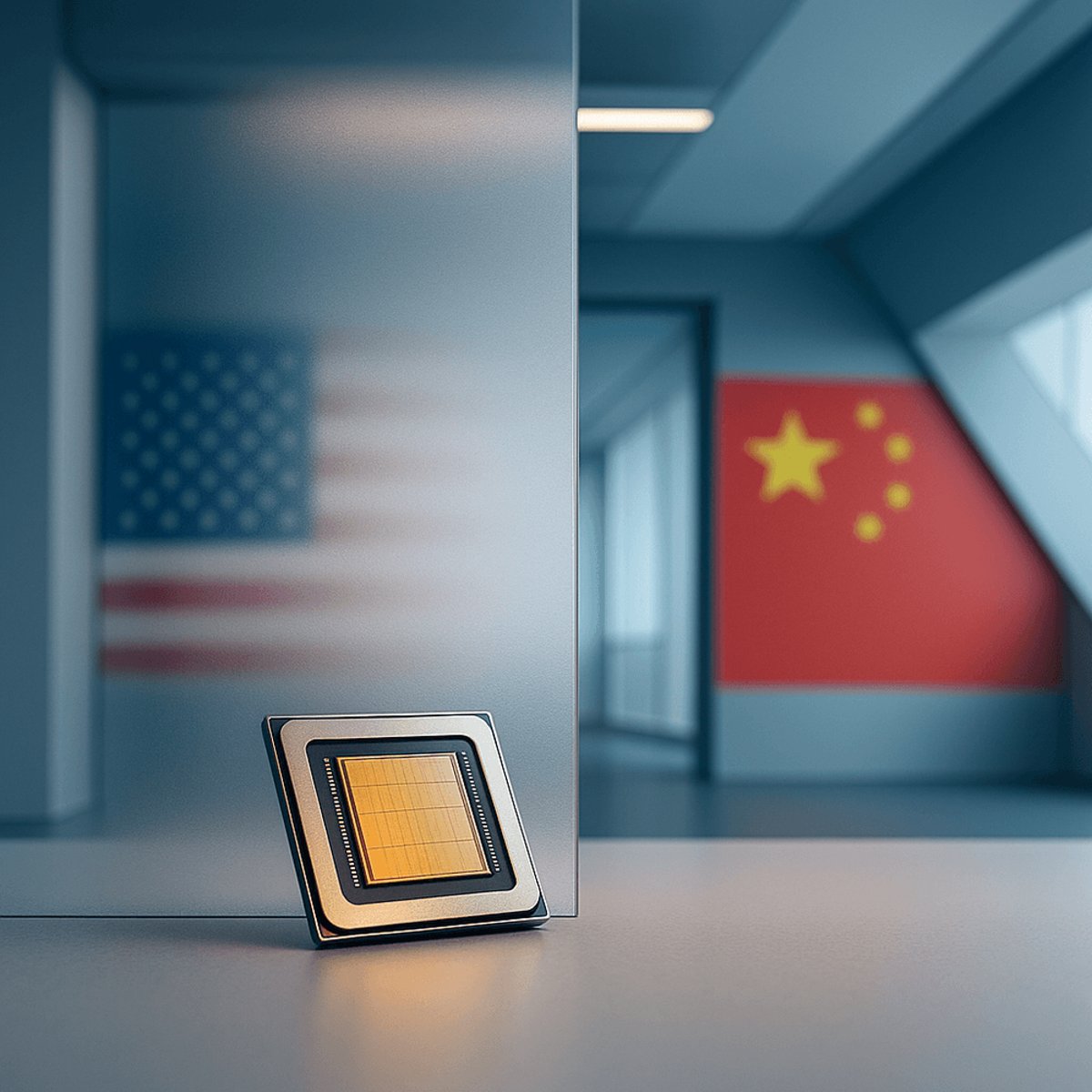
Nvidia thought eased U.S. export restrictions would open China's door, but Beijing is greeting the chip giant with unprecedented skepticism. Chinese authorities are actively discouraging tech companies from purchasing American semiconductors, signaling a fundamental shift in how the world's second-largest economy approaches AI hardware dependency.
Nvidia's return to China isn't going according to plan. Despite the Trump administration's recent decision to ease semiconductor export restrictions, Chinese authorities are sending a clear message to their tech sector: American chips aren't welcome here anymore. The about-face represents a seismic shift in the world's most crucial tech relationship, with implications rippling through global AI development and supply chains.
Chinese regulators have been quietly but persistently urging domestic technology companies to avoid purchasing Nvidia's H20 chips, even as these processors become legally available again. According to industry sources familiar with Beijing's messaging, the directive reflects a strategic pivot toward technological self-reliance that extends far beyond immediate trade tensions. The policy signals China's determination to build indigenous AI capabilities, regardless of short-term convenience or cost considerations.
The timing couldn't be more critical for Nvidia, which generated over $18 billion in China revenue before export restrictions took effect in 2023. The company's stock has weathered geopolitical headwinds remarkably well, but this latest development suggests that regulatory approval doesn't guarantee market acceptance. Wall Street analysts had anticipated a Chinese revenue rebound following policy changes, but Beijing's resistance threatens to permanently reshape Nvidia's global growth trajectory.
Beijing's stance reflects lessons learned during previous technology dependencies. Chinese leadership witnessed how quickly access to critical components could vanish during trade disputes, particularly in telecommunications and semiconductors. The experience with Huawei's Android restrictions and chip access limitations created lasting institutional memory about technological sovereignty. Now, Beijing appears determined to avoid similar vulnerabilities in artificial intelligence, even if it means sacrificing short-term performance gains.
Domestic Chinese chip companies are the clear beneficiaries of this policy shift. Companies like Baidu, Alibaba, and emerging AI hardware specialists are receiving unprecedented government support and market protection. Beijing's message to local tech giants is unmistakable: support domestic alternatives now, or face regulatory pressure later. This creates a complex dynamic where Chinese companies must balance performance requirements with political expectations.
The broader implications extend beyond bilateral trade relationships. Nvidia's experience in China signals how quickly geopolitical considerations can override pure market dynamics in technology sectors. European and other international companies are watching carefully, recognizing that technological dependencies increasingly carry political risks. The semiconductor industry, already grappling with supply chain vulnerabilities, now faces a future where market access depends as much on diplomatic relationships as product capabilities.
AMD and Intel face similar challenges as they navigate China's evolving stance toward American technology. The message from Beijing extends beyond Nvidia specifically to encompass broader skepticism about U.S. technology dependence. Chinese authorities are essentially rewiring decades of global technology integration, prioritizing strategic autonomy over immediate efficiency gains.
Industry experts suggest this represents just the beginning of a longer-term decoupling process. Unlike previous trade disputes focused on tariffs or specific products, China's current approach targets fundamental technological relationships. The policy creates incentives for domestic innovation while simultaneously reducing foreign competitors' market access through non-regulatory means.
The cold reception Nvidia faces in China despite regulatory changes reveals how deeply geopolitical considerations now influence technology markets. Beijing's push for AI chip self-reliance suggests the era of purely market-driven technology adoption is ending, replaced by strategic calculations that prioritize long-term sovereignty over short-term performance. For global tech companies, China's stance serves as a stark reminder that government approval doesn't guarantee market welcome in an increasingly fragmented technological landscape.