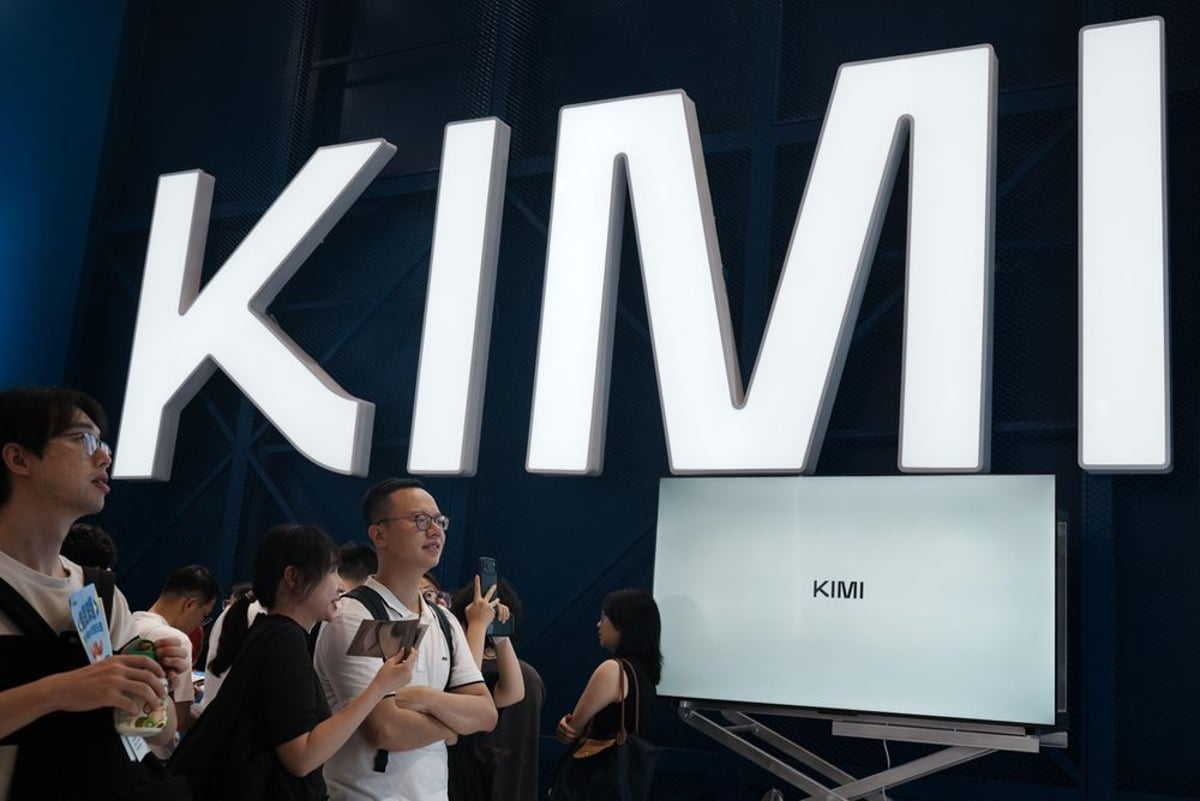
Silicon Valley is scrambling to respond as China escalates its AI offensive with an unexpected weapon: giving away cutting-edge models for free. Moonshot AI's decision to release its Kimi K3 model - which reportedly matches or beats top US systems at a fraction of the cost - as an open-weight tool marks a strategic shift that's rattling the closed-model business plans of OpenAI, Anthropic, and Google. The move isn't just about performance benchmarks. It's a calculated play to flood the market with capable alternatives and challenge whether proprietary American AI can maintain its dominance when increasingly powerful open models are available to anyone.
Moonshot AI just threw down a gauntlet that has American AI labs rethinking their entire business model. The Chinese startup's Kimi K3 model doesn't just compete with systems from OpenAI and Anthropic - it's being handed out for free, weights and all, in what amounts to a strategic assault on the closed-model economics that power Silicon Valley's AI boom.
The implications hit immediately. Within hours of Moonshot's announcement at the World AI Conference in Shanghai last week, developers worldwide started downloading and testing K3. Early benchmarks suggest it performs comparably to GPT-4 class models on reasoning tasks while requiring far less computational resources to train. But the real shock isn't the performance - it's the price tag of zero.
"We're seeing a fundamental shift in competitive dynamics," one AI startup founder told colleagues on a private Slack channel reviewed by industry insiders. "How do you charge enterprise customers $30 per million tokens when a Chinese model offers similar capability for free?"
The open-weight approach gives developers complete control over the model's deployment, fine-tuning, and modification. Unlike API-based services from OpenAI or Anthropic, where queries go through company servers, open-weight models can run entirely on-premises. For enterprises worried about data privacy or regulatory compliance, that's a massive advantage. For American AI companies that rely on API revenue, it's an existential threat.
China's strategic calculus appears clear. Facing US export restrictions on advanced chips like Nvidia's H100 GPUs, Chinese firms can't easily out-compute American rivals in a straight hardware race. But they can out-distribute them. By releasing capable models without licensing fees or usage restrictions, companies like Moonshot and Alibaba are building global developer ecosystems that don't depend on US-controlled infrastructure.
The timing isn't coincidental. Just days before K3's release, the US Commerce Department tightened restrictions on AI chip exports to China. Rather than protest through diplomatic channels, Beijing's tech sector responded with a market-flooding strategy that renders the chip advantage less decisive. If developers worldwide adopt Chinese open-weight models as their foundation, American companies lose the platform power they've spent billions building.
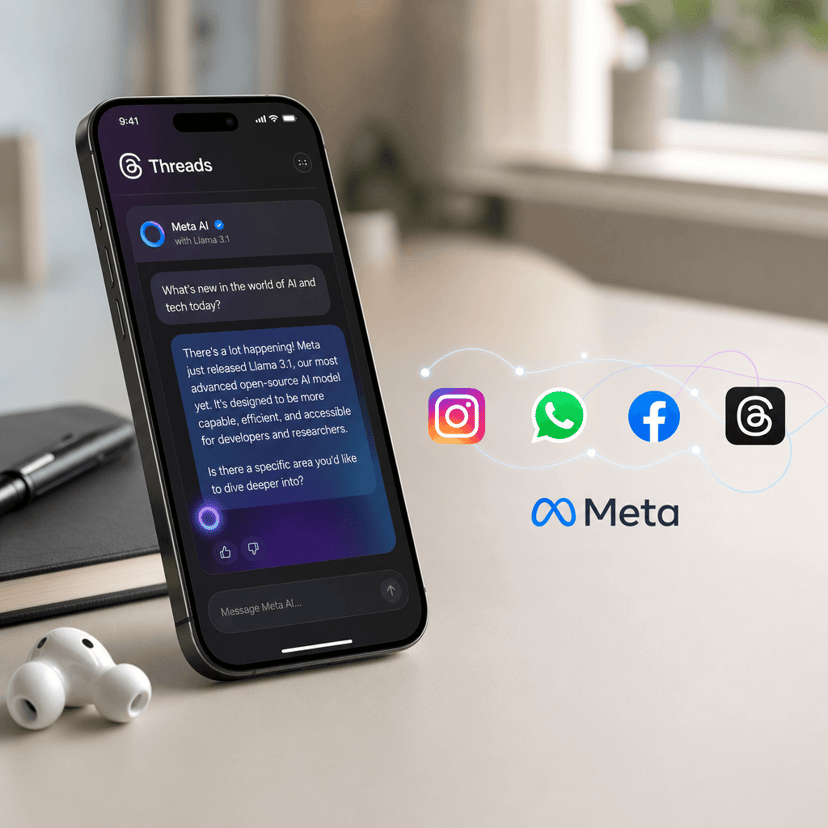
Meta pioneered this playbook domestically with its Llama series, releasing powerful models freely to undercut OpenAI's market position. But Meta still plays within US regulatory frameworks and maintains commercial interests that constrain how aggressively it can compete. Chinese firms face different incentives. State backing means they can sustain losses indefinitely while building market share. And there's a geopolitical dividend: every developer who builds on K3 instead of GPT-4 represents a small shift in the global AI power balance.
The technical community remains divided on whether open-weight models truly threaten closed systems. Proprietary labs argue they maintain advantages in continuous improvement, safety features, and enterprise support that free models can't match. "Weights are just one piece," an Anthropic engineer noted in a recent conference presentation. "The infrastructure, safety work, and constant refinement matter enormously."
But that argument grows harder to sustain as the performance gap narrows. If K3 delivers even 80% of GPT-4's capability at zero cost, the math for corporate buyers shifts dramatically. Add in data sovereignty concerns and the appeal of not routing sensitive information through American servers, and the closed-model value proposition starts looking vulnerable.
US policymakers are watching nervously. The National Security Council reportedly held briefings last week on whether Chinese open-weight models pose security risks through potential backdoors or data collection mechanisms. But regulating open-source AI presents thorny First Amendment questions, and any US restrictions would face immediate challenges about suppressing scientific collaboration.
Meanwhile, Moonshot continues targeting American users directly. The company's website now features English-language documentation, and its developer outreach emphasizes compatibility with popular US frameworks and tools. It's a charm offensive designed to make adoption frictionless for Silicon Valley engineers, even as their employers' business models come under pressure.
The broader industry is starting to adapt. Several US startups have quietly begun experimenting with hybrid models that combine open-weight Chinese foundations with proprietary fine-tuning and specialized capabilities. If American firms can't beat free on price, they're betting they can add enough value on top to justify premium services.
But that represents a significant retreat from the vertically integrated approach that defined the first wave of the AI boom. Instead of controlling the entire stack from training to deployment, US companies may find themselves competing in a more commoditized market where base model capabilities are freely available and margins come from specialized applications.
China's strategy also creates uncomfortable dependencies. Developers building critical infrastructure on K3 become reliant on Moonshot's ongoing support and updates. If geopolitical tensions escalate, that reliance could become a vulnerability. Yet the immediate cost savings and performance benefits make it hard for resource-constrained startups to resist.
The competition is intensifying quickly. Alibaba's Qwen models and other Chinese offerings are following similar open-weight strategies, creating a wave of free alternatives that collectively pressure the entire closed-model market. Some analysts compare it to Android's impact on mobile operating systems - a free, capable alternative that forced even premium competitors to rethink pricing and features.
The release of Kimi K3 and similar Chinese models represents more than just new competition - it's a strategic reframing of the AI race itself. By competing on openness and distribution rather than proprietary control, China is exploiting a weakness in the American approach that relies on closed systems and premium pricing. Whether Silicon Valley can adapt its business models quickly enough, or whether regulators will attempt intervention, remains an open question. But one thing is clear: the assumption that leading AI capabilities would remain concentrated in a few US companies just got a lot harder to defend. The next phase of AI competition won't just be about who builds the most powerful models, but who can make capable AI most accessible to developers worldwide.