The Trump administration's approach to AI policy is shaping up to be anything but straightforward. "It's not an argument with two sides, it's an argument with 10 sides," a senior administration official told WIRED in a rare glimpse into the fractured decision-making process governing America's AI future. As the White House assembles its AI brain trust, competing factions are pulling policy in radically different directions - from Silicon Valley's deregulation advocates to national security hawks pushing for tighter controls.
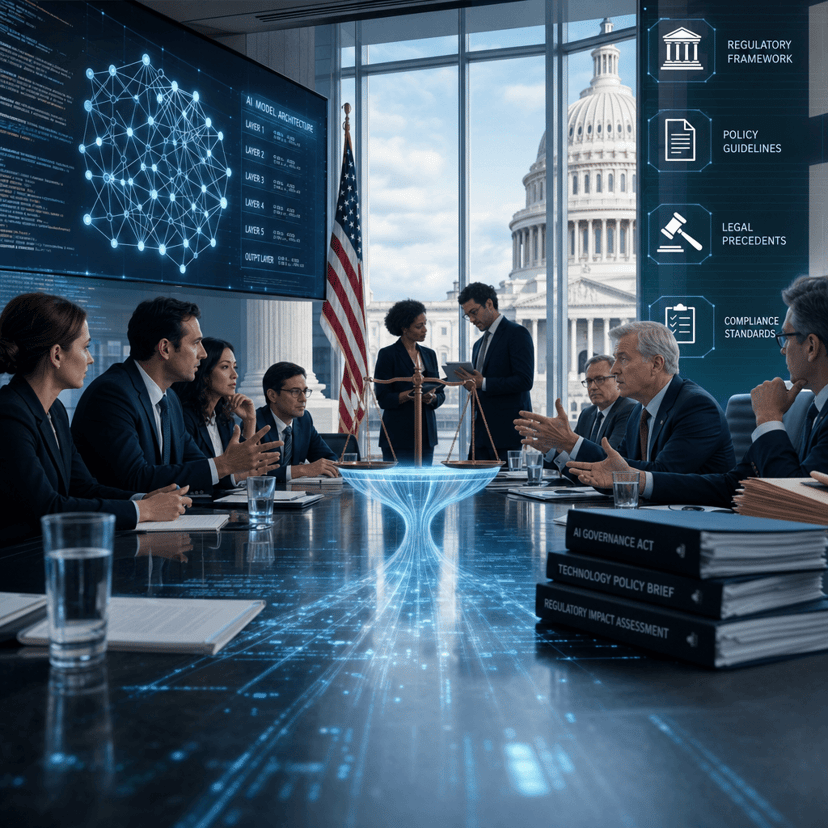
The Trump administration is trying to chart America's AI future, but it can't agree on the map. Multiple power centers are battling to shape policy on everything from AI safety standards to chip export controls, creating what insiders describe as a 10-way tug-of-war over the technology that could define the next decade.
"It's not an argument with two sides, it's an argument with 10 sides," a senior administration official told WIRED, revealing the chaotic reality behind closed-door policy discussions. The frank admission offers a window into why the administration has struggled to articulate a coherent AI strategy even as competitors like China race ahead with centralized plans.
The fractured landscape pits Silicon Valley executives advocating for minimal regulation against Pentagon officials worried about AI-powered weapons falling into adversary hands. Treasury officials want to protect American AI leadership through export controls, while Commerce Department representatives push to keep chips and models flowing freely to maintain market dominance. Add in competing voices from the intelligence community, State Department, and various White House advisors, and you get what one observer called "policy by committee, except the committee can't agree on what day it is."
The stakes couldn't be higher. OpenAI, Google, and Microsoft are deploying increasingly powerful AI systems with minimal federal oversight, while Meta has open-sourced models that anyone can download and modify. Each decision about safety testing, disclosure requirements, or compute thresholds could either accelerate American innovation or create catastrophic risks.
Trump's AI brain trust includes tech industry veterans who helped build today's AI giants alongside national security hardliners who view artificial intelligence primarily through the lens of great power competition. The former group wants Washington to get out of the way. The latter wants comprehensive controls on who can access advanced AI capabilities and how they're deployed.
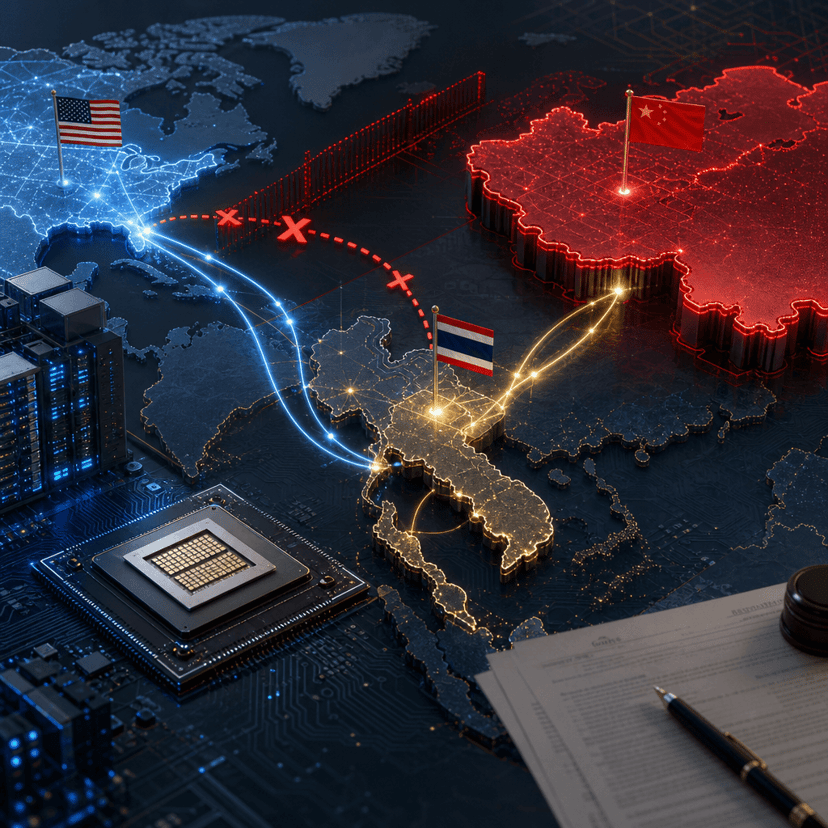
This isn't just a Washington turf war - it's playing out as Nvidia ships cutting-edge H100 chips globally and Chinese researchers find workarounds to US export restrictions. Every month the administration delays on coherent policy gives competitors time to catch up or chart alternative paths. The EU has already implemented its AI Act with clear rules, while China coordinates AI development through state-backed initiatives that don't require consensus among 10 different factions.
The multi-sided debate extends to basic questions about AI governance. Should the US prioritize speed and innovation, accepting higher risks? Or should safety and security concerns justify slower, more controlled development? Different administration officials give different answers depending on which meeting you catch them in.
Some camps want aggressive action on AI safety - mandatory testing for frontier models, incident reporting requirements, and clear liability frameworks. Others view such measures as innovation-killing bureaucracy that would hand leadership to less scrupulous nations. A third faction focuses entirely on maintaining America's semiconductor advantage through export controls, regardless of how that affects AI deployment. A fourth worries about job displacement and wants policies addressing AI's economic disruption.
The result is policy paralysis dressed up as deliberation. While the 10 sides argue, Google and OpenAI continue launching more capable systems based on their own internal guidelines. Microsoft integrates AI across its product stack without waiting for federal frameworks. Meta releases open-source models that make export controls nearly meaningless since anyone can download them.
Industry executives privately express frustration with the lack of clear direction, even as they publicly celebrate light-touch regulation. The uncertainty makes long-term planning difficult when no one knows if compute thresholds, safety standards, or export rules might suddenly shift based on which faction wins internal battles. Some companies are hedging by developing contingency plans for multiple regulatory scenarios.
The fragmented approach also complicates America's position in international AI governance discussions. When US officials show up to talks with allies, they struggle to articulate consistent positions because consensus doesn't exist back home. That's made it easier for other nations to shape global AI norms without American input.
The 10-way power struggle over AI policy reveals something fundamental about how America approaches transformative technology - through messy, competing interests rather than top-down control. That's either democracy working as intended or a recipe for losing ground to more centralized competitors. The administration's AI brain trust needs to find common ground soon, because the technology isn't waiting for Washington to figure out which of the 10 sides should win. Every day spent arguing internally is a day China, the EU, and American companies themselves move forward with their own answers to questions the US government can't seem to resolve.