The AI data center gold rush has a China problem nobody's talking about. A new report from CNBC reveals that critical hardware, transformers, backup batteries, and optical networking gear, flowing into America's multibillion-dollar AI infrastructure buildout is heavily sourced from China-linked suppliers, just as Washington ramps up restrictions on foreign tech equipment.
For the past two years, the AI story has mostly been about chips. Who's got the most Nvidia GPUs, who's stuck waiting for the next allocation, who's designing their own silicon to get around the bottleneck. But according to a new CNBC investigation, the real vulnerability in America's AI buildout might be sitting in the electrical closet, not the server rack.
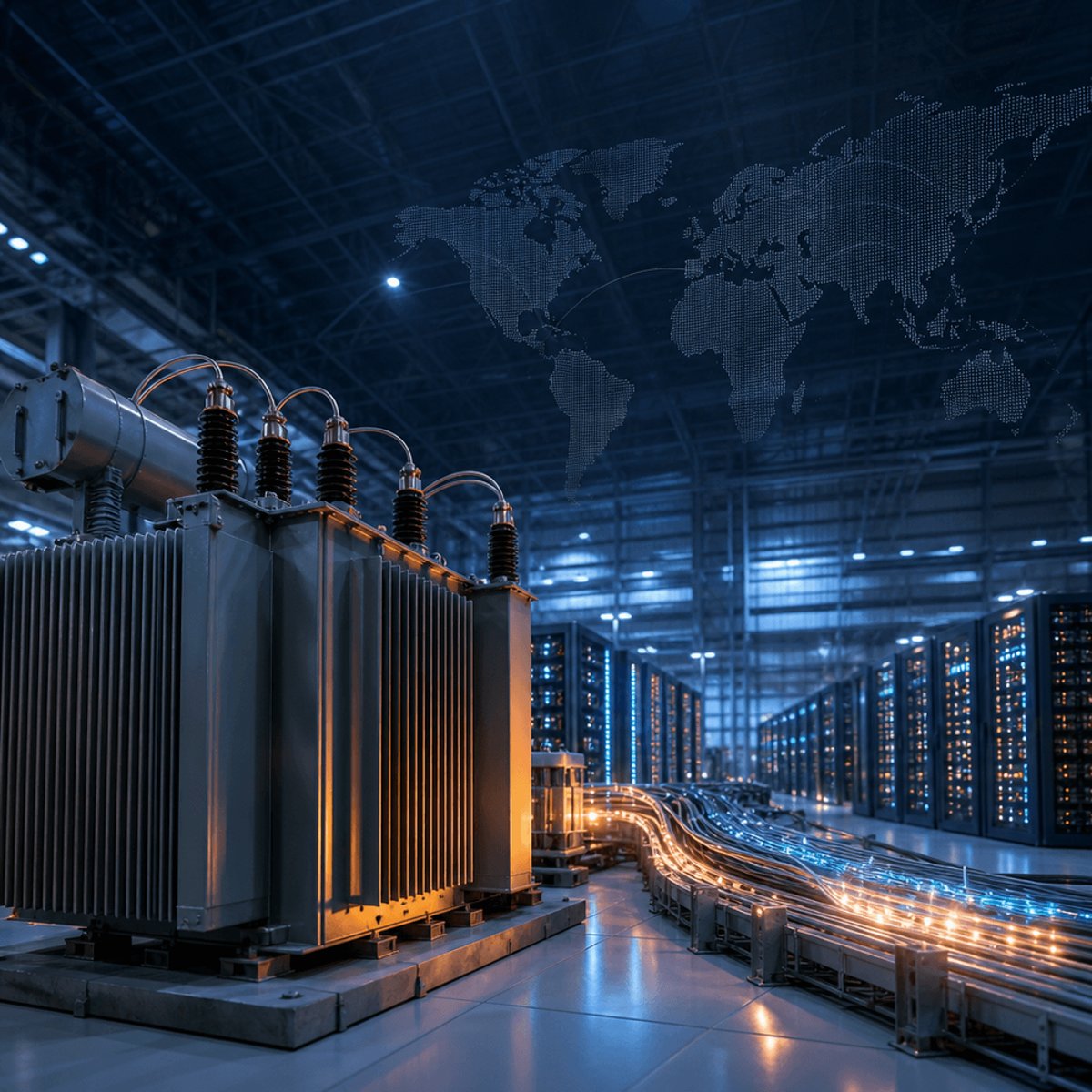
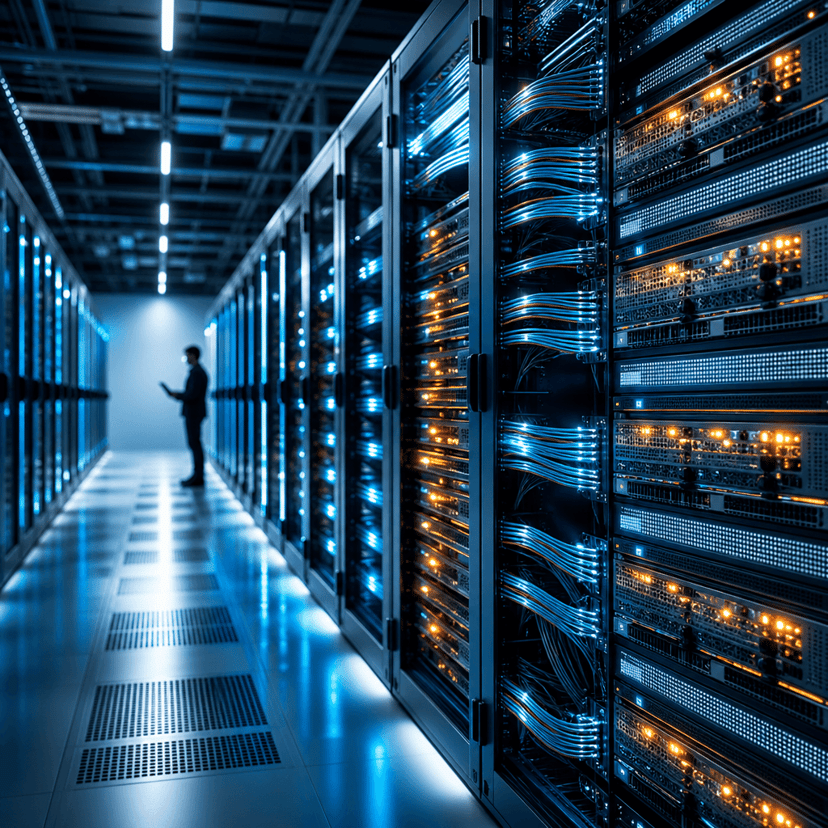
The report lays out something that's been hiding in plain sight: the transformers that step down power for massive data centers, the backup batteries that keep servers running during outages, and the optical networking gear that moves data between racks at blistering speed are all heavily reliant on China-linked supply chains. That's a problem, because these aren't small components you can swap out overnight. Transformers alone can take over a year to manufacture and deliver even under normal conditions, and demand has spiked as every major cloud provider races to add capacity for AI workloads.
This isn't happening in a vacuum. Washington has been steadily tightening the screws on foreign tech equipment, part of a broader effort to reduce dependence on Chinese manufacturing across critical infrastructure. The Biden and Trump-era export control frameworks already restricted advanced semiconductors from flowing to China. Now the conversation is flipping, regulators are increasingly worried about what's flowing the other direction, into US infrastructure, from Chinese suppliers.
"The industry built its entire capacity expansion plan assuming these supply chains would stay open," one energy infrastructure analyst told CNBC, describing the scramble now underway to map exposure across vendor contracts. That scramble is happening inside nearly every hyperscaler building AI capacity right now, from Microsoft and Amazon to Google and Meta, all of which have announced massive, multi-billion-dollar data center expansions over the past 18 months to keep pace with AI demand.
The irony here is hard to miss. The AI boom already strained the US power grid so badly that utilities have had to fast-track new generation capacity just to keep up with data center electricity demand. Now it turns out even the equipment needed to deliver that power, and to keep networks running once it's delivered, carries its own geopolitical exposure. It's a bottleneck stacked on top of a bottleneck.
What makes this trickier than the chip war is that transformers, batteries, and optical components don't have the same domestic manufacturing base that semiconductors do. The CHIPS Act poured tens of billions into rebuilding US chip fabrication, but there's been no equivalent push for grid hardware or optical networking equipment. Building that capacity domestically would take years and serious capital, exactly the kind of lead time the industry doesn't have if it wants to keep AI data center construction on schedule.
For now, most companies aren't publicly commenting on their exposure, which itself says something. Supply chain risk isn't the kind of thing companies like to advertise, especially when investors are already jittery about how much capital is being poured into AI infrastructure with uncertain near-term returns. But the pressure is building. If Washington moves to restrict this equipment the way it restricted advanced chips, data center operators could face the same kind of scramble that hit the semiconductor industry, except this time it's transformers and batteries, not GPUs, sitting in the crosshairs.
The next few months will be telling. Expect scrutiny from lawmakers on both sides of the aisle, potential new disclosure requirements for infrastructure vendors, and likely a fresh wave of announcements from US manufacturers looking to position themselves as the domestic alternative. Whether any of that can move fast enough to match the pace of AI data center construction is the real question hanging over the industry right now.
The AI data center boom was already straining the power grid and testing how fast the US could build. Now it's clear the hardware keeping those centers running, not just the chips inside them, carries the same geopolitical baggage that's defined the chip war for years. For an industry racing to add capacity, that's a risk that could slow everything down right when the pressure to move fast has never been higher.