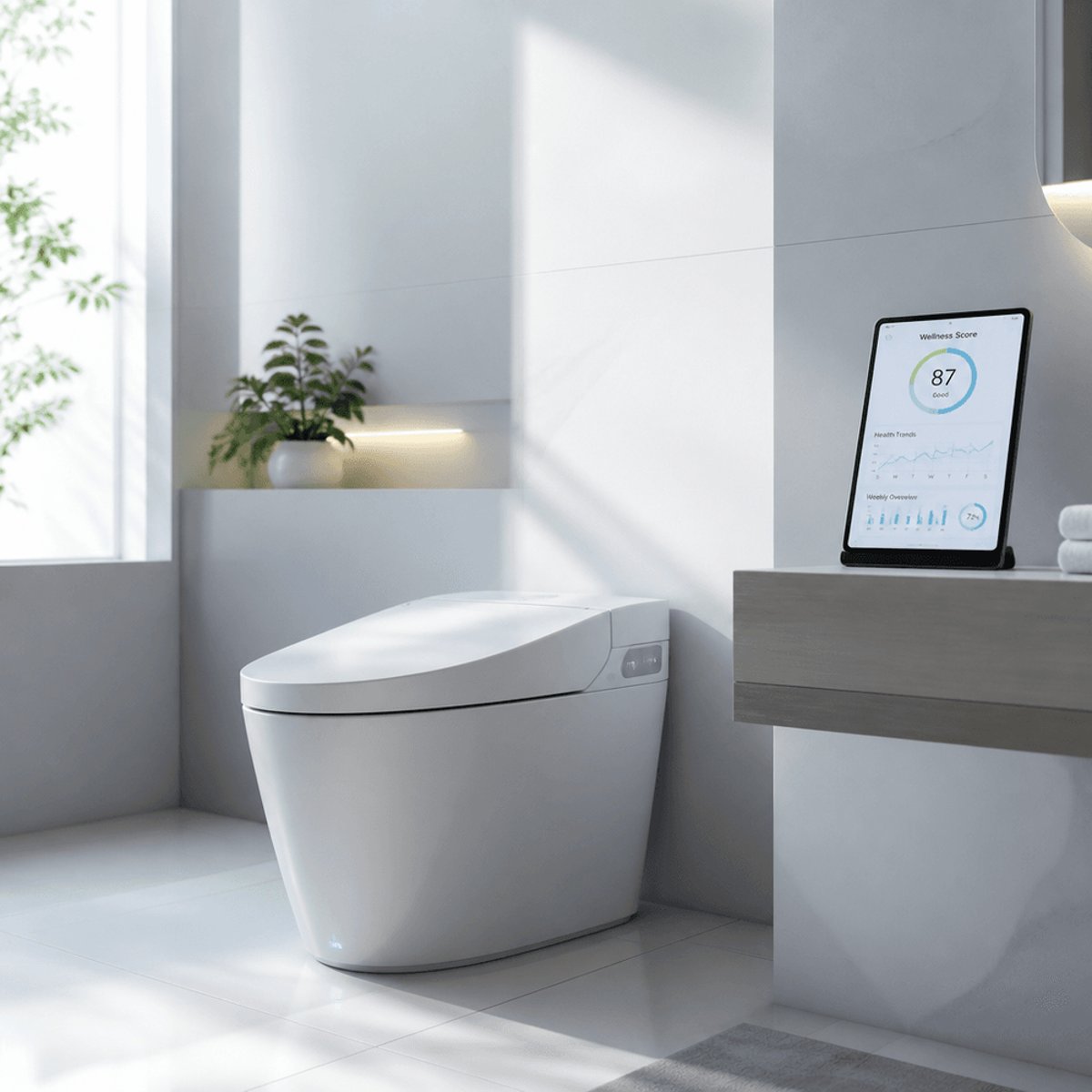
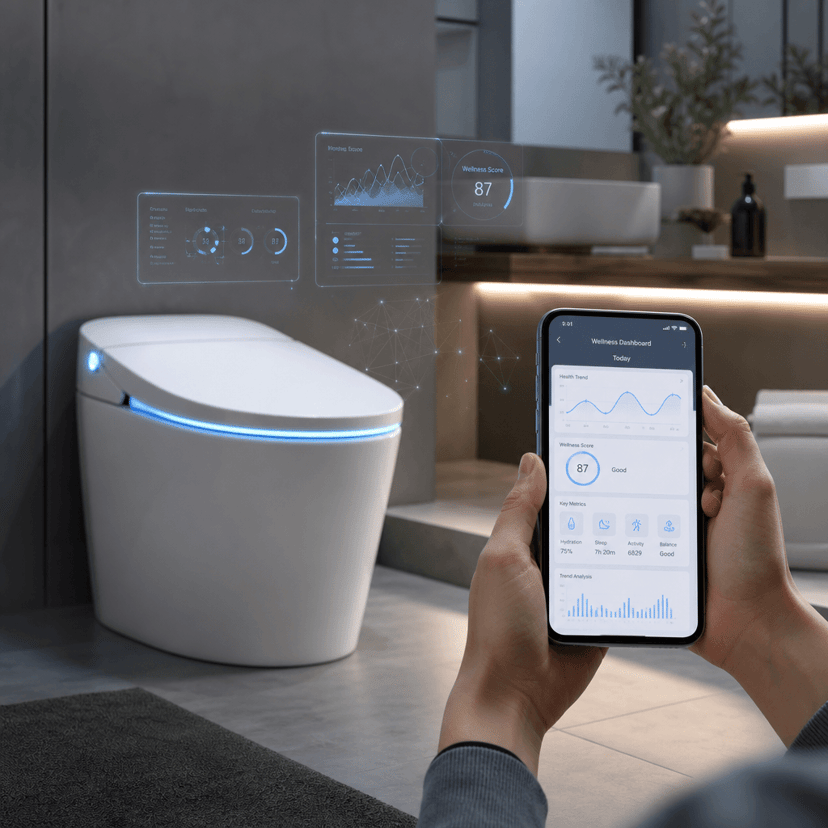
A new wave of smart toilets is quietly turning your bathroom into a diagnostic lab, using AI-powered cameras and sensors to analyze stool for signs of gut trouble. The pitch sounds futuristic and useful, but according to a new report from Wired, medical experts aren't convinced the average person needs a toilet that grades their poop.
The bathroom is the latest frontier for artificial intelligence, and it's arriving in a form nobody quite asked for: a toilet that watches, scans, and scores your poop. According to a report from Wired, a handful of startups and established smart-home players have started shipping toilets and toilet attachments equipped with cameras and machine learning models trained to analyze stool for shape, consistency, color, and even signs of blood, all without requiring the user to do anything more than their normal business.
The idea isn't entirely new. Health-tracking toilets have floated around wellness expos and CES showcases for years, but what's changed is the sophistication of the underlying AI. Instead of vague mirror-based color charts, these systems use computer vision models similar to the ones powering photo recognition apps, trained on thousands of labeled images to spot patterns tied to digestive issues like inflammatory bowel disease or dehydration. Some devices sync results to a companion app, generating a daily 'gut score' that users can track over time, not unlike how a smartwatch tracks steps or sleep.
But according to Wired's reporting, the gap between what these toilets promise and what they actually deliver for the average healthy adult is significant. Gastroenterologists quoted in the piece note that stool consistency and appearance, while genuinely useful clinical signals, are things doctors already ask patients about directly, and that most people without an existing condition won't get meaningful new information from a toilet-mounted AI. 'For someone managing a chronic GI condition, tracking trends over time could have value,' one expert told Wired, 'but for a healthy person, this is closer to novelty than medicine.'
That skepticism echoes a broader pattern in consumer health tech, where AI-powered gadgets promise clinical-grade insight but often can't match the diagnostic rigor of an actual doctor's visit. It's a dynamic we've seen play out before in wearables and at-home diagnostic kits, where flashy dashboards and daily scores don't always translate into better health outcomes. The smart toilet category risks falling into the same trap: generating data that feels actionable but mostly just adds another notification to check each morning.
Still, the market opportunity is real enough that companies keep building. Smart toilet and bidet attachments have been creeping into the premium home market for years, driven partly by interest from Japan's high-tech toilet culture and partly by post-pandemic interest in touchless, sensor-equipped bathroom fixtures. Layering AI-driven health scanning on top is a natural next step for companies looking to differentiate hardware that otherwise looks and functions like any other toilet.
The bigger question, and one Wired's sources raise directly, is what happens when these devices start being marketed less like gadgets and more like medical tools. Health claims tend to draw regulatory attention, and if these companies start suggesting their toilets can detect disease rather than simply track patterns, they'll likely find themselves navigating the same kind of scrutiny that wearable makers and at-home test kit companies have faced from health regulators in recent years. For now, most of these products stay carefully framed as wellness gadgets rather than diagnostic devices, a distinction that matters a lot when it comes to what claims a company can legally make.
For consumers, the takeaway from Wired's reporting is less about hype and more about proportion. A toilet that tracks bathroom habits over time might genuinely help someone already managing a GI condition stay on top of their symptoms between doctor visits. But for the average healthy person, the AI running quietly under the seat is unlikely to reveal anything a good diet and normal checkups wouldn't already catch. As with plenty of AI-powered consumer gadgets before it, the technology here is impressive. Whether it's actually useful is still very much an open question.
Smart toilets scanning stool with AI sound like classic tech-solving-a-problem-nobody-had territory, but they also reflect a real trend: health tracking is quietly moving into every corner of the home, from wrists to mattresses to now, apparently, toilets. Whether this particular gadget category sticks around depends less on the sophistication of the AI models involved and more on whether companies can prove the data actually helps people, rather than just giving them one more score to obsess over.