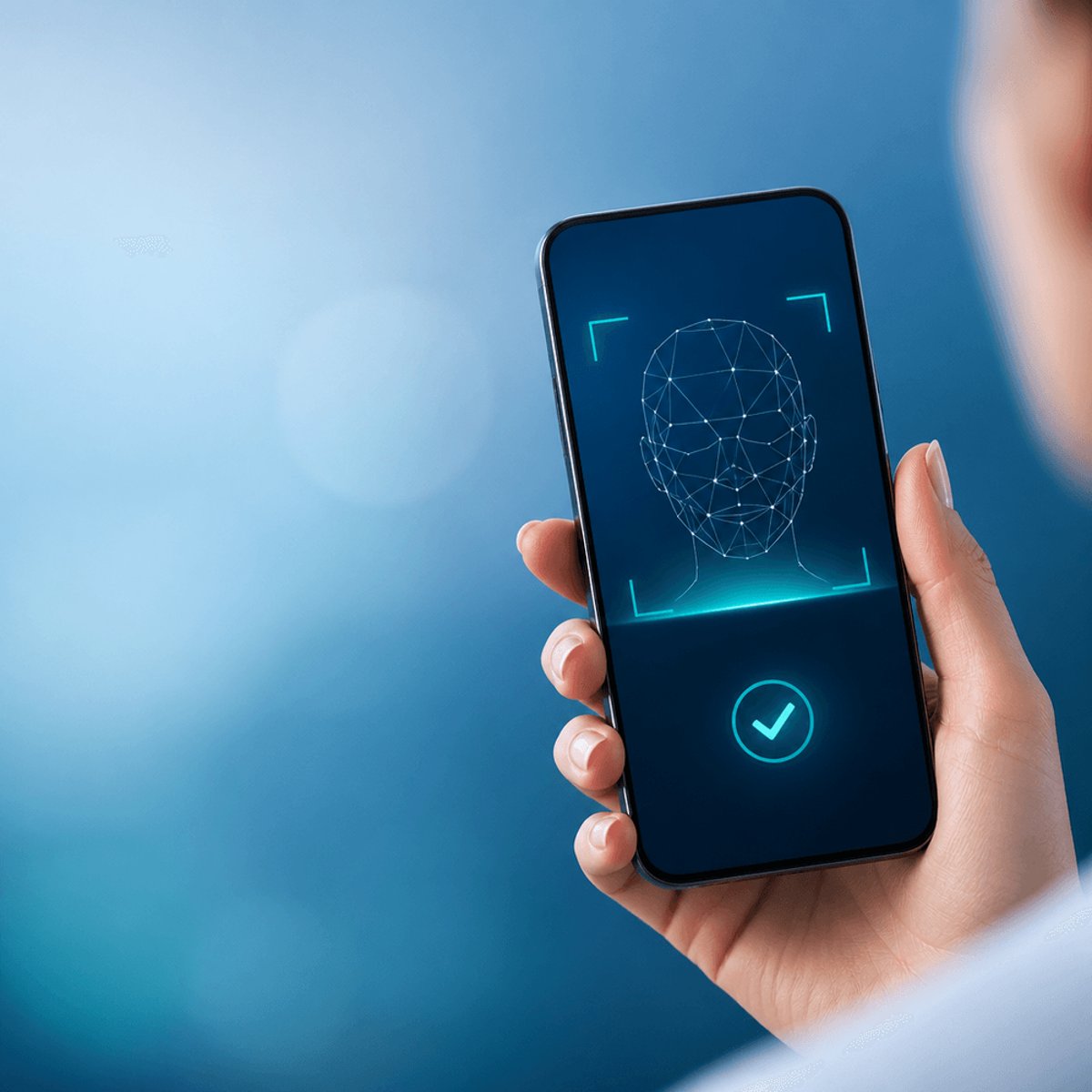
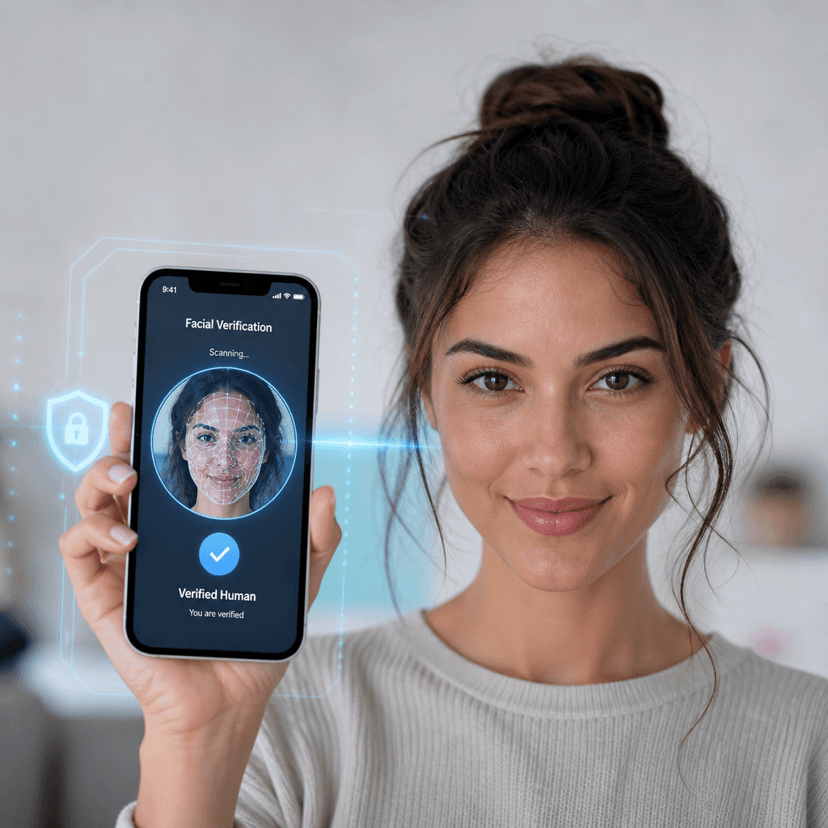
Swipe right, then look into your camera. That's the new reality for millions of dating app users as platforms rush to adopt biometric face scanning and "verified human" badges to combat a surge in AI-generated catfishing and romance scams, according to a new report from Wired. The shift marks one of the most visible mainstream applications yet of facial recognition tech, and it's got privacy advocates sounding alarms.
Dating apps have a scammer problem, and increasingly, their answer is your face. According to a new investigation from Wired, platforms across the industry are rolling out biometric scanning tools that ask users to record a quick selfie video, which gets matched against their profile photos before they're granted a "verified human" badge. It sounds simple enough, but the implications are anything but.
The push is a direct response to a scam epidemic that's gotten harder to police. Romance scams cost Americans hundreds of millions of dollars annually, and the rise of generative AI tools has made it trivially easy to fabricate convincing fake personas, complete with AI-generated photos that pass casual scrutiny. Where moderators once relied on spotting stock photos or inconsistent details, they're now up against synthetic faces that don't exist anywhere else on the internet, making reverse image searches useless. Facial verification, in theory, closes that loophole by confirming there's an actual human behind the account, one whose live face matches what's on the profile.
But the fix comes with its own baggage. Facial recognition has a long, messy history in consumer tech, from law enforcement misuse to biased error rates across different demographics. Handing that same technology to dating apps, which already collect deeply personal data about users' preferences, locations, and private messages, expands the surveillance footprint of an industry that's already been dinged for data practices. Wired's reporting notes that privacy advocates are worried less about any single app's policy and more about the precedent. Once biometric checks become table stakes for something as casual as swiping on a dating app, it gets a lot easier to normalize the same tech showing up everywhere else, from social media sign-ups to gig work platforms.
There's also the question of what happens to that facial data after verification. Apps generally say the scans are used only to confirm identity and then discarded or hashed, but users have limited visibility into how that promise is enforced, or whether it survives a data breach, an acquisition, or a change in terms of service down the line. That opacity is exactly what's fueling skepticism among privacy researchers who've watched biometric data get repurposed in ways users never consented to.
Still, the pressure to adopt these tools isn't coming from nowhere. Catfishing and romance scams have become such a persistent headache that trust in dating platforms has eroded, and "verified" badges have become a competitive differentiator rather than a nice-to-have. Apps that skip verification risk looking like the soft target for bad actors, while those that adopt it can market safety as a selling point. That dynamic is likely to push holdout platforms toward similar systems whether or not they're fully comfortable with the privacy trade-offs.
What happens next probably depends on regulators as much as the apps themselves. Biometric privacy laws in places like Illinois and Texas already impose strict consent and disclosure requirements, and the EU's approach to biometric data under GDPR is even tighter. If dating apps' face-scanning rollout draws the kind of scrutiny that facial recognition has attracted in law enforcement contexts, it could force a rethink of how verification data is stored, who can access it, and how long it sticks around. For now, the tools are spreading fast, and the debate over whether the trade-off is worth it is only getting started.
Face scanning on dating apps is being sold as a scam-fighting necessity, and given how convincing AI-generated fakes have gotten, it's hard to argue platforms don't need some kind of answer. But normalizing biometric checks for something as low-stakes as swiping through profiles sets a precedent that's bigger than any single app. The real test will be whether these companies can prove the data stays contained, and whether regulators step in before that trust gets tested the hard way.