Swipe right, but first prove you're human. Dating apps are quietly rolling out facial recognition and biometric verification tools to combat a wave of AI-generated catfish profiles and romance scams, a shift that's reshaping how millions of users sign up for love, and raising fresh alarms about how much of our face data these platforms are willing to hold onto.
Dating apps have a bot problem, and their fix is starting to look a lot like airport security. According to a new report from Wired, major dating platforms are increasingly rolling out biometric scanning tools and slapping 'verified human' badges on profiles that pass the check, a quiet but significant shift in how these apps handle identity in an era when it's gotten a lot harder to tell a real match from a synthetic one.
The timing isn't random. Romance scams have exploded alongside the rise of generative AI, with scammers now able to spin up convincing fake photos, voice clips, and even video in minutes. What used to require a stolen photo and a decent script now takes a prompt. Dating apps, which already sit on troves of sensitive personal data, have found themselves on the front lines of a fight they didn't necessarily sign up for: proving that the person on the other end of the chat is, in fact, a person.
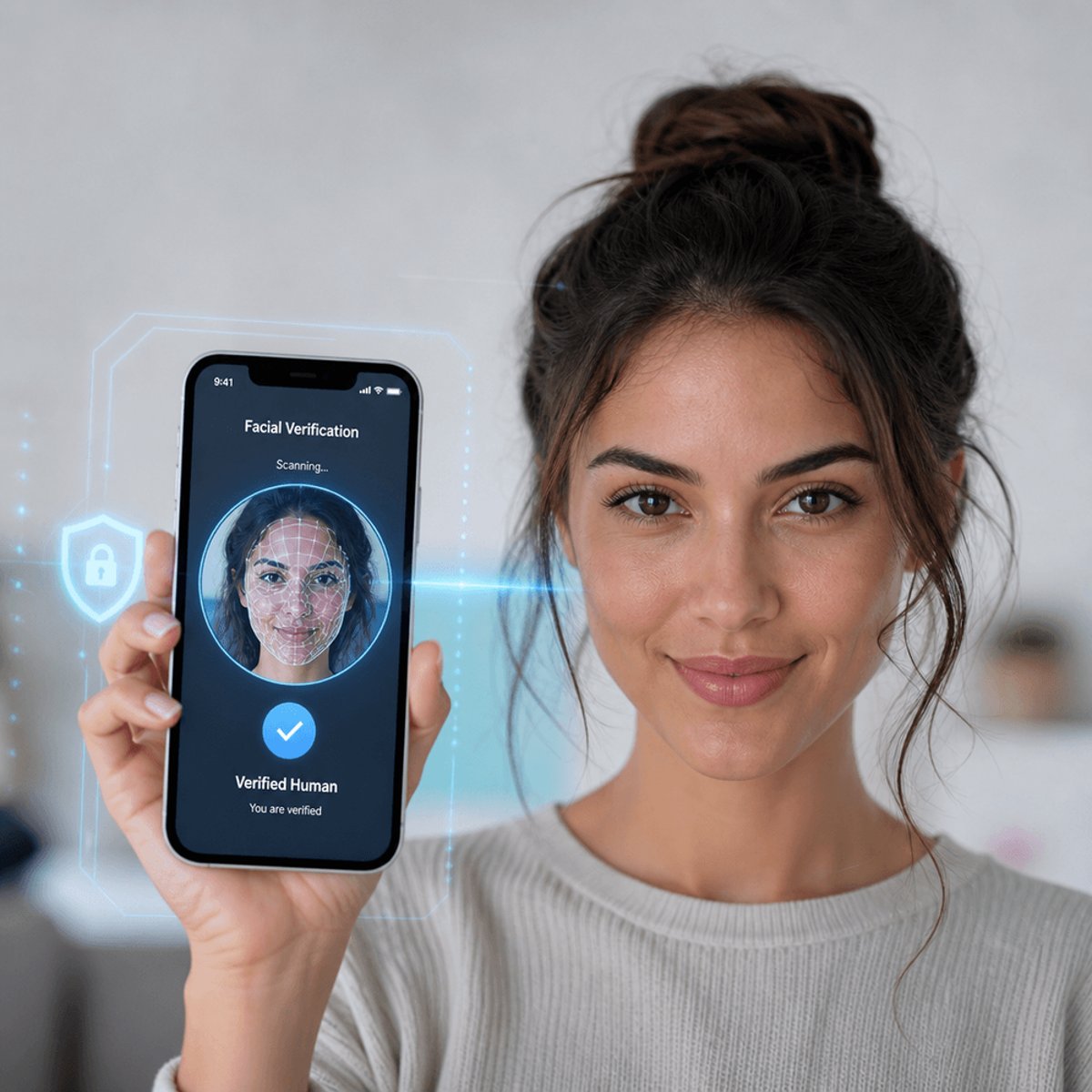
Biometric verification typically works by asking users to snap a live selfie or short video during sign-up, which gets compared against their profile photos using facial recognition software. Pass the check, and you get a badge signaling to other users that you're the real deal. It's a simple pitch: fewer catfish, fewer bots, more trust. And for platforms that have spent years fielding complaints about fake accounts, it's an easy feature to market.
But the trade-off is what has privacy researchers uneasy. Facial recognition, once mostly associated with law enforcement and border security, is now becoming a routine part of finding a date. That's a meaningful shift in how comfortable people are asked to be with handing over their biometric data, information that, unlike a password, can't be changed if it's ever leaked or misused. Critics point out that dating apps don't have a spotless track record on data security, and biometric templates are a much higher-stakes asset to lose than an email address.
There's also the question of what happens to that face data once it's collected. Some apps say scans are deleted after verification, others are vaguer about retention policies, and enforcement of those promises varies wildly depending on jurisdiction. In the US, biometric privacy law is a patchwork, with states like Illinois enforcing strict consent rules under its Biometric Information Privacy Act, while most others have no comparable statute at all. That inconsistency means users on the same app can have very different protections depending on where they live.
The broader trend fits into a pattern seen across consumer tech, where 'verify you're human' features are becoming standard as AI tools make it trivially easy to fake identity online, whether that's a résumé, a customer service chat, or a dating profile. Social platforms and marketplaces have flirted with similar ID checks for years, but dating apps are arguably the most personal, and most sensitive, place for this kind of verification to become the default rather than the exception.
For now, the badges are largely opt-in or used as a trust signal rather than a hard requirement, but the direction of travel is clear. As AI-generated fakery gets better and cheaper, expect more platforms, not just dating apps, to lean on biometric checks as their answer. The bigger question, one Wired's reporting leaves open, is whether users will get real transparency and control over that face data, or whether 'verified human' becomes just another checkbox nobody reads the fine print on.
The push toward biometric verification on dating apps says a lot about where consumer tech is headed as AI makes deception cheaper and faster to pull off. Face scans might genuinely cut down on catfishing and scam accounts, but they also ask users to trust platforms with data that's a lot harder to walk back than a bad photo or a fake bio. Whether that trade-off feels worth it will likely depend less on how well the tech works and more on how honest these companies are about what happens to your face once they've got it.