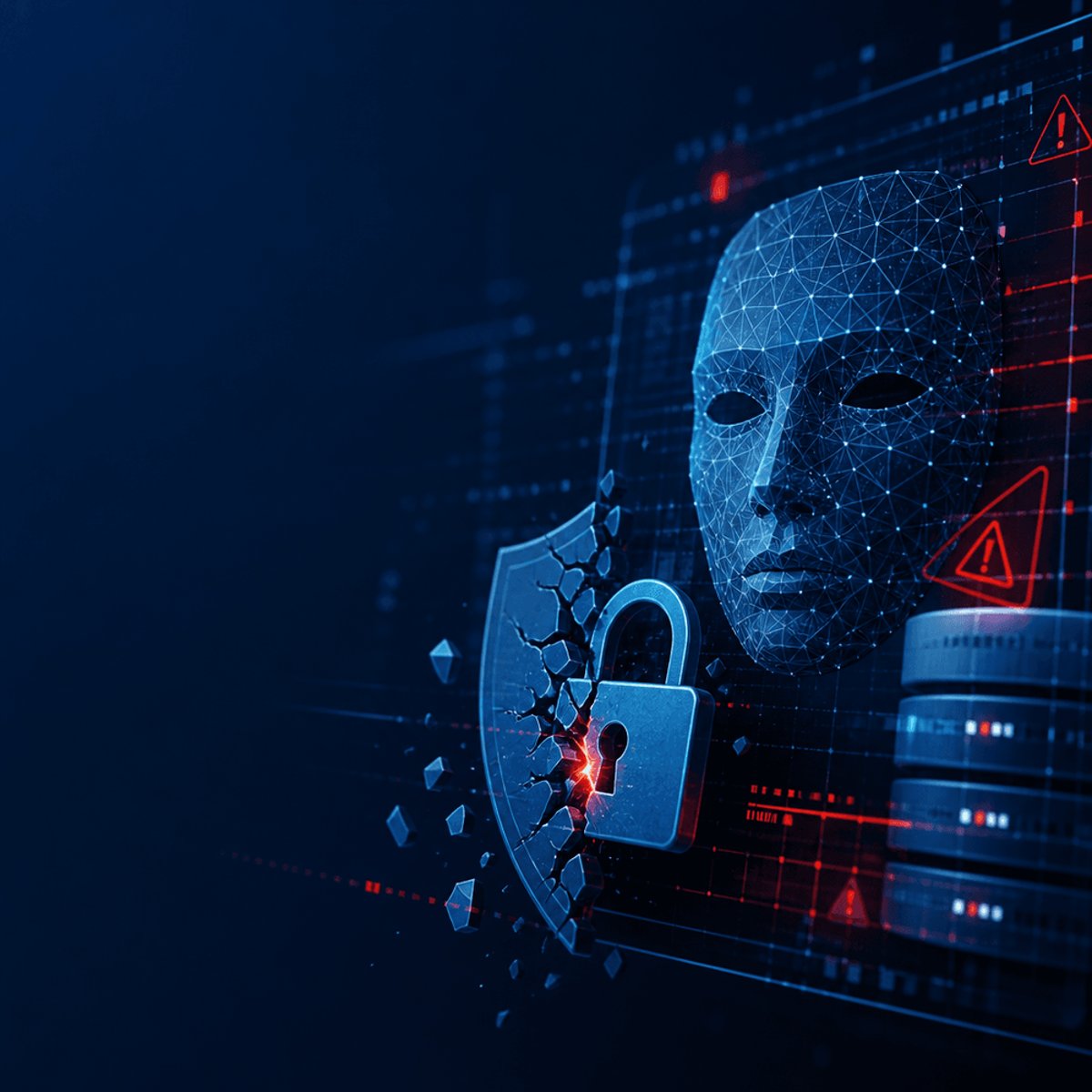
A people-search platform promising privacy just exposed millions of faces to the open internet. ClarityCheck, a reverse image lookup service that markets itself as 'private and secure,' left a database containing more than 9 million facial images completely unprotected, according to a Wired investigation. The breach highlights growing concerns about facial recognition databases and the gap between companies' privacy promises and actual security practices.
ClarityCheck just handed privacy advocates their worst nightmare on a silver platter. The company's reverse image search service, designed to help users identify people from photos, left more than 9 million facial images sitting in an unsecured database accessible to anyone who knew where to look.
The irony cuts deep. ClarityCheck actively markets itself as a privacy-conscious alternative in the people-search space, promising users their lookups remain confidential and secure. But security researchers discovered the company's database exposed without basic protection measures, contradicting every privacy claim plastered across its marketing materials.
Reverse image lookup services have exploded in popularity over the past few years, fueled by everything from online dating safety concerns to investigative journalism. These platforms scrape photos from social media, public records, and other online sources to build massive facial recognition databases. Users upload a photo, and the service attempts to match it against millions of stored images to identify the person.
The exposed ClarityCheck database reportedly contained facial images harvested from across the web, along with associated metadata that could help identify individuals. Security experts who reviewed the breach told Wired the data sat on an unprotected server, requiring no authentication to access.
This isn't just embarrassing for ClarityCheck - it's potentially devastating for the millions of people whose faces ended up in that database without their knowledge or consent. Unlike a password breach where you can reset credentials, you can't change your face. Once biometric data like facial images leak, the privacy implications last forever.
The breach also exposes a fundamental contradiction in the people-search industry. These services profit by aggregating personal information - often without explicit consent - while simultaneously promising to protect user privacy. When security fails, as it did here, both the people being searched and the people doing the searching get burned.
Facial recognition technology has already sparked intense debate about surveillance, consent, and civil liberties. Cities like San Francisco and Boston have banned government use of the technology over discrimination and privacy concerns. The European Union's AI Act imposes strict rules on biometric systems. But the commercial facial recognition market operates in a regulatory gray zone, with few rules governing how companies collect, store, and secure facial data.
ClarityCheck's exposure comes as lawmakers in several states push for stricter biometric privacy laws. Illinois' Biometric Information Privacy Act has already generated hundreds of millions in settlements against companies that mishandled facial data. Similar legislation is gaining traction in New York, California, and Washington.
The people-search industry has faced mounting scrutiny over its data practices. These services aggregate information from public records, social media, data brokers, and other sources to create detailed profiles on millions of people. Privacy advocates argue the industry operates with insufficient oversight and inadequate security standards.
What makes this breach particularly troubling is the sensitivity of the exposed data. Facial images represent biometric information - unique physical characteristics that can identify individuals across different contexts. In the wrong hands, this data could enable stalking, harassment, identity theft, or unauthorized surveillance.
It's unclear how long the database remained exposed or whether malicious actors accessed the data before researchers discovered it. ClarityCheck has not publicly disclosed the breach or notified affected individuals, raising questions about the company's transparency and compliance with data breach notification laws.
The incident also highlights the risks of trusting companies that build business models around collecting personal information. When a service's core function involves aggregating data about people, often without their direct participation or consent, security becomes paramount. A single breach can expose millions of individuals who never chose to interact with the platform.
Security researchers have repeatedly warned that facial recognition databases represent attractive targets for hackers and hostile actors. The data has permanent value - unlike credit card numbers that can be canceled or passwords that can be reset. Once compromised, biometric data creates lifelong privacy risks for affected individuals.
The ClarityCheck breach serves as a stark reminder that privacy promises mean nothing without robust security to back them up. As facial recognition technology becomes increasingly embedded in commercial services, the stakes for protecting biometric data have never been higher. For the millions of people whose faces now sit in an exposed database, the damage is done - and it's permanent. The incident should accelerate calls for stronger regulations governing how companies collect, store, and secure facial data, along with meaningful penalties for failures that put sensitive biometric information at risk.