Commonwealth Fusion Systems is turning to its core technology advantage - high-temperature superconducting magnets - to generate revenue while its first fusion power plant remains years away. The MIT spinout just inked a deal with Realta Fusion to supply critical magnetic confinement components, marking a strategic pivot that could reshape how fusion startups bridge the gap to commercial power generation. It's a pragmatic move in an industry where billion-dollar fundraises meet decade-long development timelines.
Commonwealth Fusion Systems isn't waiting for fusion power to pay the bills. The Massachusetts-based startup just announced it's supplying high-temperature superconducting magnets to Realta Fusion, a competitor also racing to commercialize nuclear fusion. The move reveals how even the best-funded fusion ventures are getting creative about revenue while their reactors remain under construction.
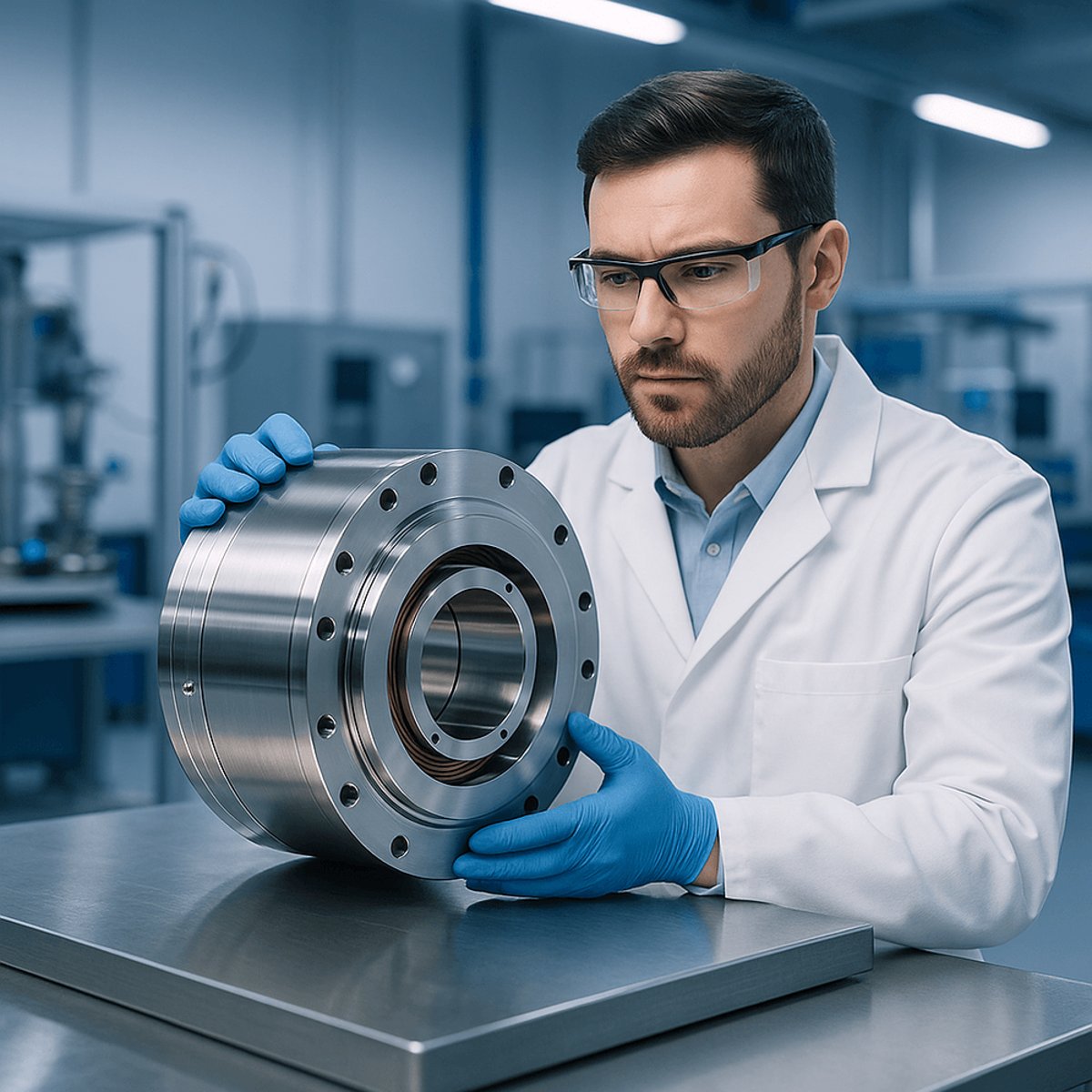
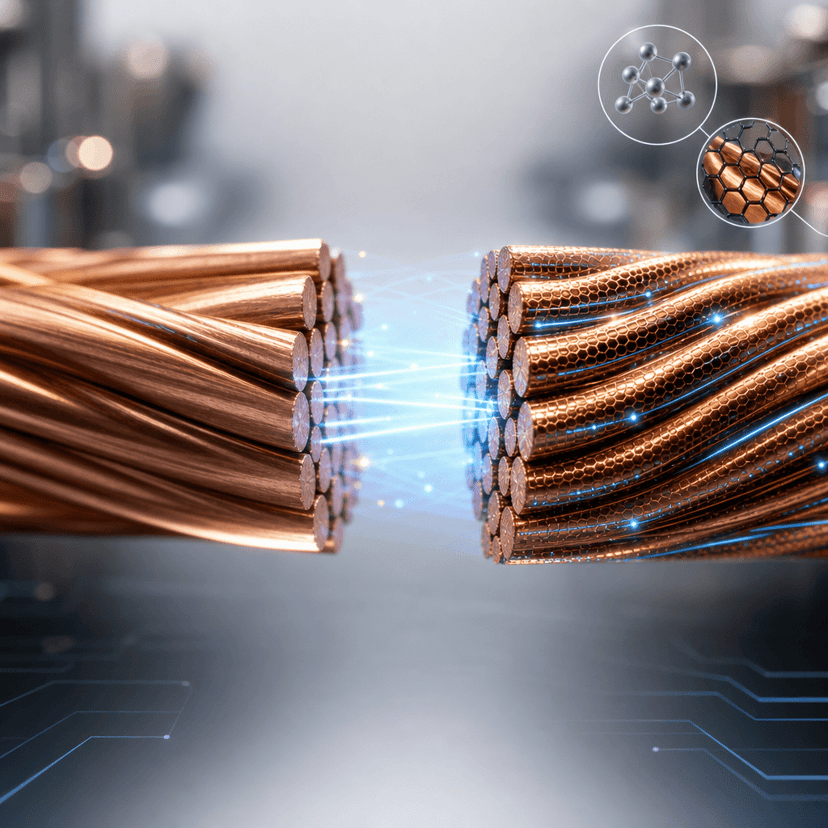
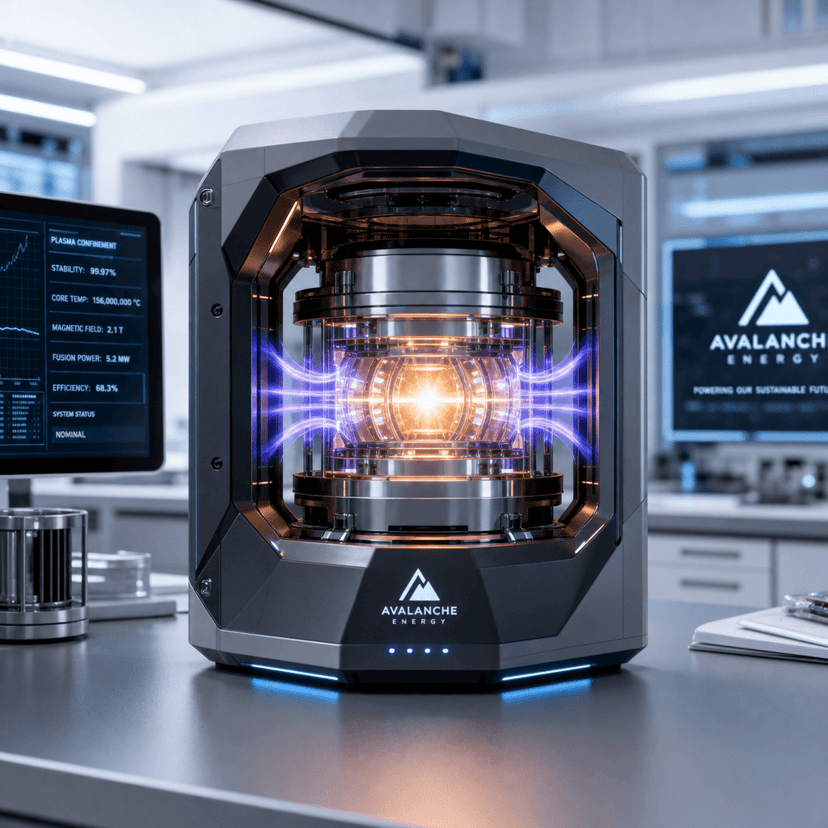
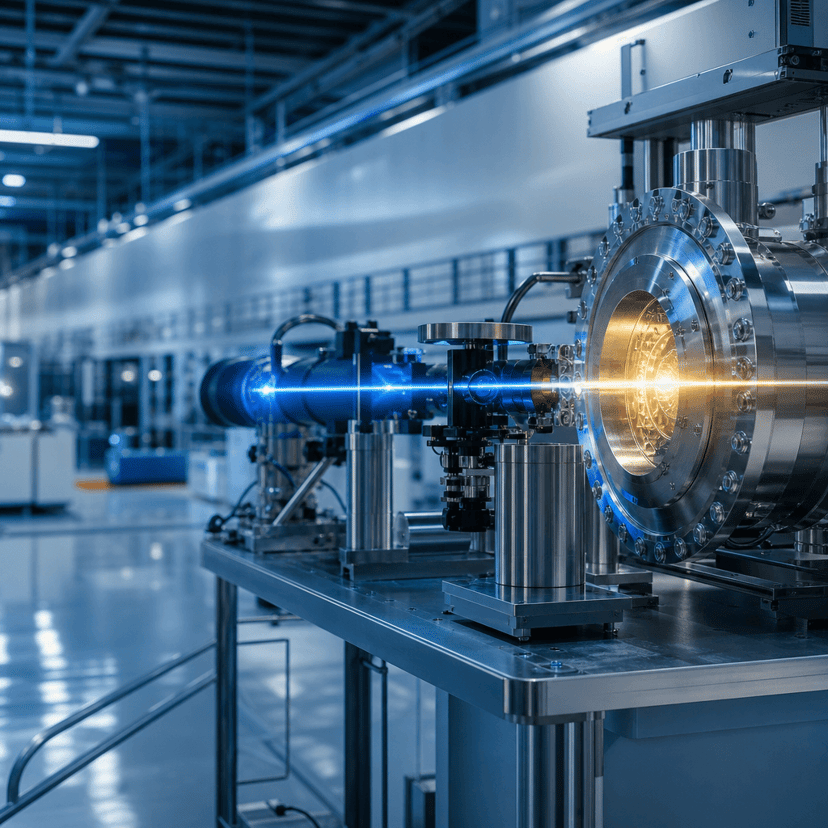
The magnets at the heart of this deal aren't just any industrial components. CFS developed what it calls breakthrough high-temperature superconducting technology that can generate magnetic fields strong enough to contain the 100-million-degree plasma needed for fusion reactions. These magnets are critical to tokamak designs, the donut-shaped reactors that most fusion companies are betting on. By selling them to Realta, CFS is essentially licensing out its core IP while building its own demonstration plant.
It's a revenue strategy born of necessity. CFS has pulled in more than $2 billion from investors including Bill Gates, Google, and Temasek since spinning out of MIT in 2018. But the company's SPARC demonstration reactor won't fire up until later this decade, and its first commercial plant, ARC, isn't expected to deliver power to the grid until the 2030s. That's a long time to burn through capital with nothing to sell.
Realta Fusion benefits from skipping the expensive R&D phase on magnetic confinement. The UK-based startup, which emerged from stealth last year, is pursuing its own fusion reactor design but clearly sees value in outsourcing critical components to a company that's already cracked the magnet challenge. The deal suggests an emerging supply chain is taking shape in fusion, similar to how ASML became the sole supplier of extreme ultraviolet lithography machines to chipmakers.
The broader fusion industry has raised roughly $6 billion in private capital over the past five years, according to the Fusion Industry Association. But none of these companies have delivered net energy gain at commercial scale. That milestone remains elusive despite recent breakthrough announcements from government labs. The gap between laboratory success and market-ready power plants is measured in years and billions of dollars.
CFS isn't the only fusion startup exploring interim revenue. Helion Energy signed a power purchase agreement with Microsoft for electricity it won't deliver until 2028. TAE Technologies has been selling its particle accelerator technology to medical applications. The pattern is clear - fusion companies need bridges, not just breakthroughs.
The magnet deal also positions CFS as potential infrastructure for the entire fusion industry. If its superconducting technology becomes the standard, the company could generate steady component revenue even as it competes with buyers like Realta on power generation. It's reminiscent of how Tesla once supplied battery packs to rivals before its own vehicles dominated the market.
Wall Street has been watching fusion's progress with cautious interest. Energy investors burned by clean tech's first wave in the 2000s want to see real milestones before opening their wallets again. Component sales with actual purchase orders provide tangible validation that fusion is moving from science experiment to industrial engineering project. That matters when your next funding round depends on proving commercial traction.
The technical challenges remain immense. Fusion requires sustaining temperatures hotter than the sun's core while keeping the reaction stable long enough to generate more energy than it consumes. CFS claims its magnets can generate fields twice as strong as previous superconducting technology, which theoretically enables smaller, more economical reactor designs. Proving that at scale is the multibillion-dollar question.
What happens next depends on whether CFS can deliver on its demonstration timeline while scaling magnet production. Realta's order suggests at least one competitor believes the technology is mature enough to build around. If more fusion startups follow suit, CFS might have accidentally created its most valuable business line - not power plants, but the components that make them possible.
Commonwealth Fusion Systems is writing a playbook for deep tech companies stuck between breakthrough and business model. By monetizing its magnet technology to competitors, CFS generates revenue without waiting for fusion power to prove commercially viable. It's pragmatic, potentially profitable, and reveals how the fusion industry is maturing from pure R&D into actual industrial supply chains. Whether selling components undermines CFS's competitive moat or establishes it as essential infrastructure will depend on how fast the company can bring its own reactors online. For now, magnets pay the bills while the science catches up to the ambition.