Novoloop just crossed a critical milestone that could reshape plastic recycling economics. The Menlo Park startup secured a manufacturing deal with Huide Science and Technology to produce its Lifecycled TPU material at commercial scale, marking a rare escape from the climate tech "valley of death" that kills most hardware startups before they reach profitability.
Novoloop is betting big that the world's plastic problem can become its business solution. The climate startup just landed a manufacturing partnership with Huide Science and Technology that could finally make recycled plastic economics work at scale.
The deal represents something rare in climate tech - a clear path from lab bench to factory floor. "For this product line, we have essentially achieved what would be the commercial relationship," CEO Miranda Wang told TechCrunch in an exclusive interview.
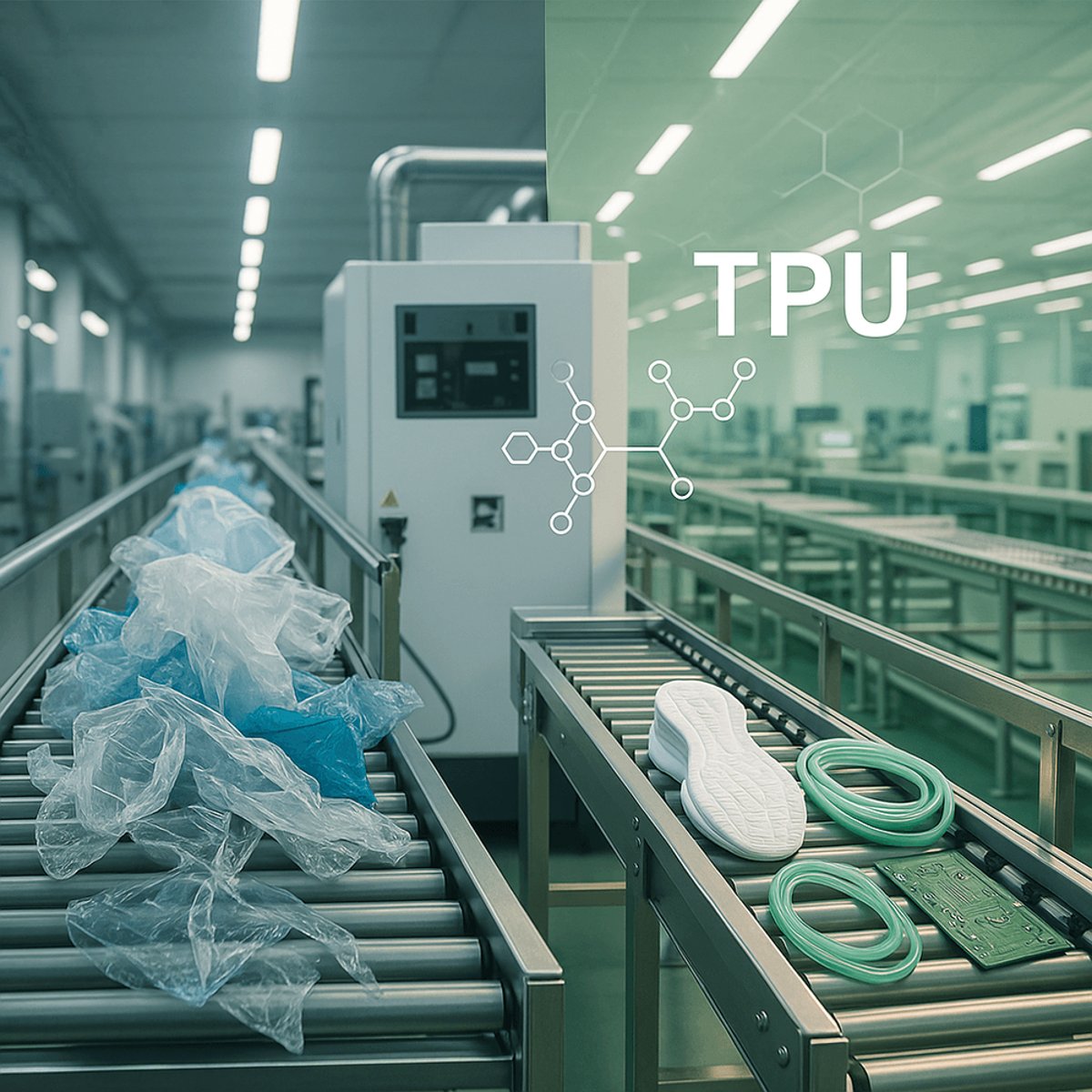
What makes this interesting isn't just another recycling story. Novoloop tackles one of the nastiest waste streams - plastic bags and films that traditional recyclers can't process. The company breaks down post-consumer polyethylene into polyols, chemical building blocks that become thermoplastic polyurethane (TPU). Think running shoe soles, medical tubing, and flexible electronics - materials worth billions annually.
The manufacturing math is finally starting to work. Novoloop's demonstration plant in India, commissioned earlier this year, cranks out tens of tons annually - enough for "major pilot projects" according to Wang. That includes an upcoming footwear customer reveal and builds on their existing deal with Swiss running brand On, which used Novoloop's Lifecycled material in its Cloudprime sneaker treads.
But here's the real breakthrough - scale economics. "The biggest hurdle to profitability is economies of scale," Wang explained. Once their commercial facility launches in early 2028, Novoloop expects to produce 16,000 tons of TPU annually. At those volumes, the recycled material hits price parity with virgin plastic.
That timeline matters because it puts Novoloop ahead of regulatory pressure building worldwide. The EU's plastic waste directives and similar policies in Asia are creating demand for recycled content that traditional recyclers can't meet. Companies need alternatives to virgin plastic, and they need them to cost the same.
The partnership with Huide also signals something broader happening in climate tech. After years of venture funding drying up for hardware startups, manufacturers are stepping in as both customers and co-investors. It's a model that bypasses traditional VC gatekeepers while providing immediate market validation.
Wang's team isn't just solving recycling - they're rebuilding the plastic supply chain from waste up. The demonstration plant proves the chemistry works. The Huide deal proves the business model works. Now comes the hard part: execution at commercial scale while competing against petrochemical giants with decades of manufacturing experience.
Watch for that footwear customer announcement in the coming months. If Novoloop can land a major brand beyond On, it signals the recycled plastic market is ready for prime time.
Novoloop's manufacturing deal with Huide represents more than just another climate tech milestone - it's proof that circular economy business models can compete with traditional petrochemicals on price and performance. With commercial production targeted for 2028 and major brand partnerships in the pipeline, the startup is positioning itself at the center of a massive shift toward recycled materials. The real test comes next: scaling production while maintaining quality and hitting those critical cost targets that make recycled plastic economically viable at global scale.