Avalanche Energy just landed a DARPA contract to solve one of fusion power's trickiest problems - turning damaging radiation into usable electricity. The Seattle-based fusion startup is developing a new class of materials that could transform how next-generation reactors capture energy, potentially accelerating the timeline to commercial fusion power. It's a critical piece of infrastructure that the entire industry needs but few are tackling head-on.
Avalanche Energy is taking a different angle in the fusion power race. While competitors chase higher temperatures and longer plasma burns, the startup is building the batteries that'll actually turn fusion's intense radiation into electricity you can plug into the grid.
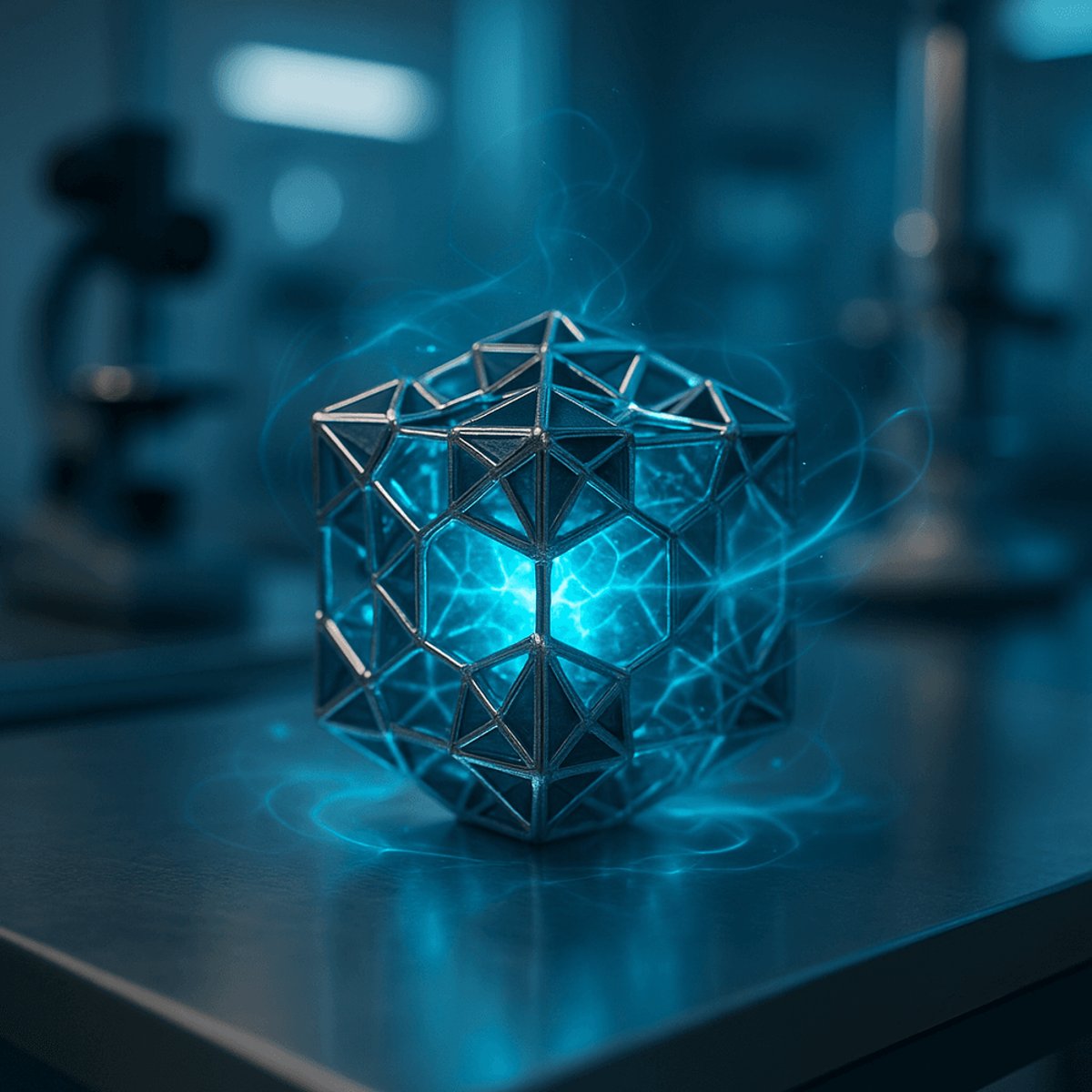
The company scored a contract with DARPA, the Pentagon's research arm, to develop what it calls "nuclear batteries" - specialized materials that convert radiation directly into electrical current. According to TechCrunch's exclusive report, these materials represent a new class of energy conversion technology specifically designed to withstand the brutal conditions inside a fusion reactor.
Here's the problem Avalanche is solving: fusion reactions don't just produce heat. They spray high-energy neutrons and other particles in every direction, bombarding reactor walls and components. Most fusion designs plan to capture this energy as heat, then use conventional steam turbines to generate power. But that's inefficient, adding complexity and cost to systems that are already expensive.
Direct conversion changes the math. By transforming radiation into electricity without the heat-to-steam-to-turbine chain, Avalanche's approach could boost overall efficiency while shrinking the footprint of fusion power plants. That matters when you're trying to compete with solar panels and natural gas on cost per kilowatt-hour.
The DARPA backing signals government interest in alternative pathways to fusion energy. While the Department of Energy has poured billions into traditional approaches like tokamaks and inertial confinement, the Pentagon is hedging its bets on materials science breakthroughs. DARPA's model - fund high-risk, high-reward research that private markets won't touch yet - fits perfectly with nuclear battery development.
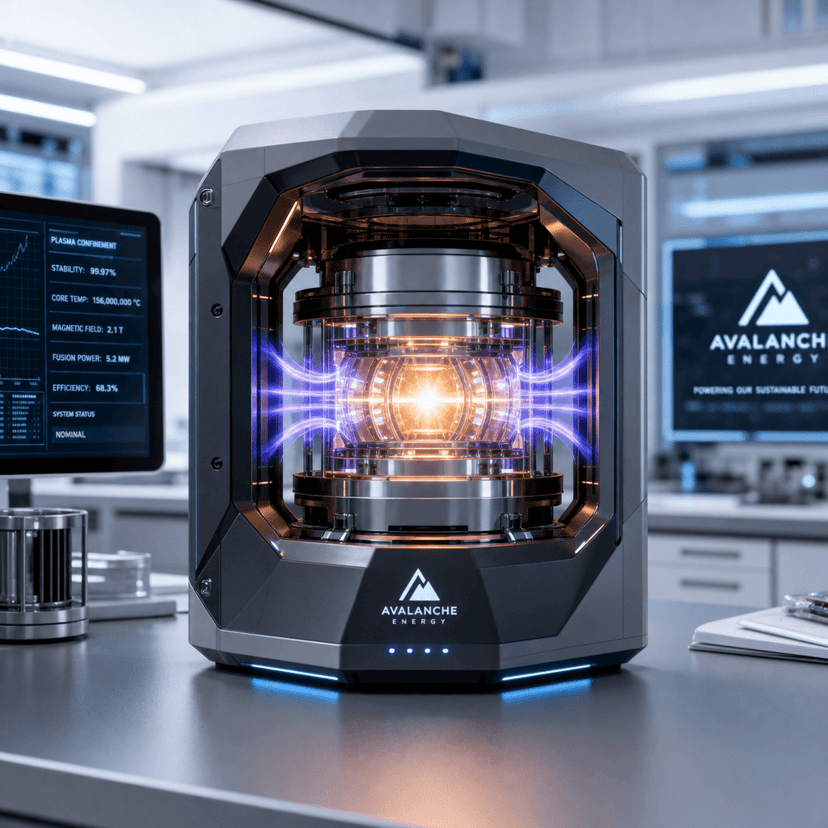
Avalanche Energy isn't a household name like Commonwealth Fusion Systems or TAE Technologies, but the company has been quietly advancing its own fusion reactor design called the Orbitron. The device uses electrostatic confinement, a technique that's radically different from the magnetic bottles most startups are building. Pairing that reactor design with custom energy conversion materials could give Avalanche a vertically integrated advantage.
The startup hasn't disclosed funding amounts for the DARPA project, but defense research contracts typically range from hundreds of thousands to several million dollars for early-stage materials development. It's not the billion-dollar checks fusion companies need for full-scale reactors, but it's enough to prove out the science and attract follow-on investment.
Materials that survive fusion conditions are notoriously difficult to engineer. Neutron bombardment degrades most substances quickly, causing them to become brittle or radioactive. Avalanche's nuclear batteries need to not only endure that punishment but actively convert it into useful energy. The company is essentially building a semiconductor that operates in an environment that would destroy conventional electronics in seconds.
This isn't Avalanche's first dance with government agencies. The company previously participated in ARPA-E programs focused on fusion energy development, giving it experience navigating federal research bureaucracy. That institutional knowledge matters when you're trying to move from lab prototypes to deployable technology on government timelines.
The broader fusion industry is watching these supporting technologies closely. Even if Avalanche's Orbitron reactor doesn't become the dominant design, its nuclear batteries could find customers across the sector. Commonwealth, Helion, and others will all need better ways to extract energy from their reactors. A proven radiation-to-electricity converter becomes infrastructure, like turbines or transformers.
Timing is everything here. Fusion startups are racing toward net energy gain and commercial demonstrations in the late 2020s. But generating energy in a lab and building an economically viable power plant are vastly different challenges. Materials that boost efficiency even 10-15% could mean the difference between a fusion reactor that's a scientific marvel and one that's actually profitable.
Avalanche isn't commenting publicly on technical specifications or timelines, keeping details under wraps while development continues. That's standard for DARPA projects, which often involve classified or export-controlled research. The public reveal will likely come when the company files patents or publishes findings in scientific journals.
What we're seeing is the fusion ecosystem maturing beyond just reactor physics. Startups are now tackling supply chain problems, materials science, power conversion, and grid integration. Avalanche Energy's nuclear battery project is a sign that the industry is thinking past "can we make fusion work" to "can we make fusion practical."
Avalanche Energy's DARPA-backed nuclear battery project represents a crucial but often overlooked piece of the fusion puzzle. While the industry fixates on plasma temperatures and confinement times, the question of how to efficiently convert fusion energy into grid-ready electricity remains wide open. If Avalanche can crack radiation-to-electricity conversion with durable materials, it won't just help its own Orbitron reactor - it could become essential infrastructure for the entire fusion industry. The real test comes when these materials face actual fusion conditions, but DARPA's backing suggests the science is promising enough to bet taxpayer dollars on.