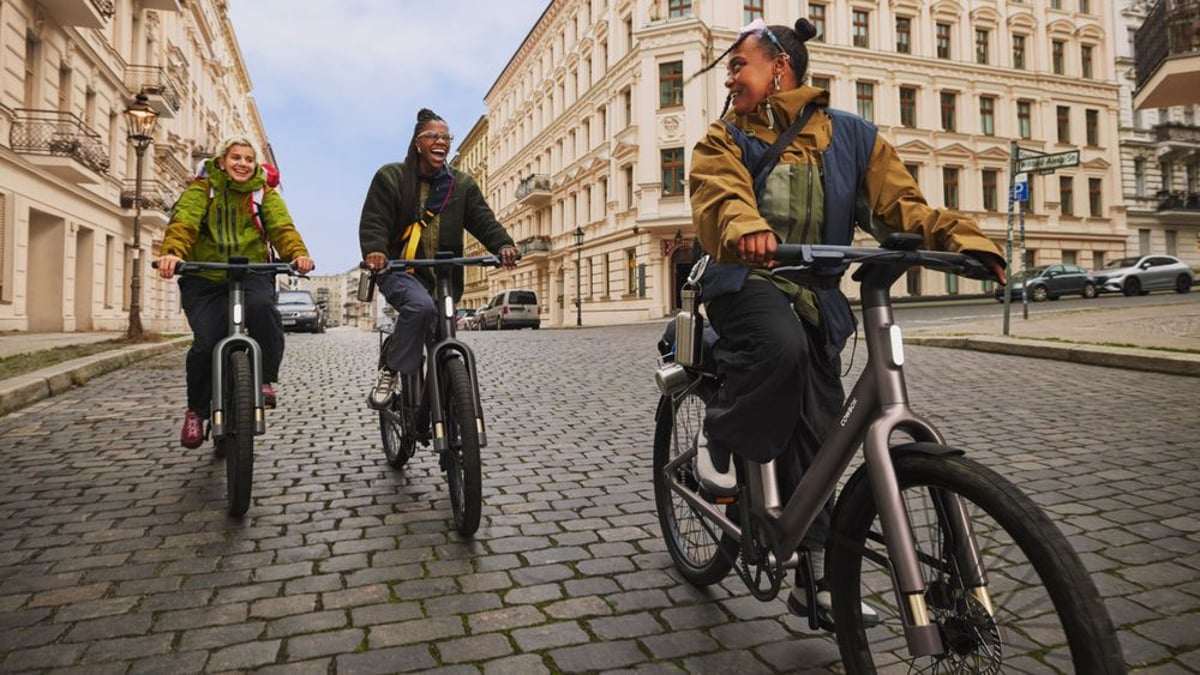
E-bike startup Cowboy is negotiating a full acquisition by ReBirth Group Holding, just weeks after the Brussels-based investor bailed out the struggling company. The deal, expected to close mid-October, represents another consolidation in the embattled e-bike sector following the pandemic boom-bust cycle that has claimed multiple startups.
The e-bike industry's post-pandemic reckoning just claimed another startup. Cowboy, the Belgian company that once symbolized the sleek future of urban mobility, is now in advanced talks to be acquired by ReBirth Group Holding - the same investor that rescued it from bankruptcy just last month.
"We can confirm that discussions with ReBirth are progressing very positively, and we expect to close the deal mid-October," co-founder Tanguy Goretti told The Verge via email. The admission comes after Le Figaro first reported the acquisition discussions, marking what could be the end of Cowboy's independence.
This wasn't supposed to be how Cowboy's story played out. The company burst onto the scene in 2017 with app-connected e-bikes featuring smart locks and GPS tracking - exactly the kind of tech-forward approach that made investors swoon. The Verge called the Cowboy 2 "the best looking pedal-assisted electric bike with a removable battery," while the Cowboy 3 earned praise for being more focused on safety than flashy features.
Backed by over €100 million in venture funding, Cowboy had ambitious plans to conquer the US market. But like so many venture-backed mobility startups, the company discovered that hardware is hard - especially when supply chains imploded and consumer demand proved fickle.
The warning signs started piling up over the past two years. Reports of delayed deliveries, missed repair appointments, and mounting debt painted a picture of a company struggling to match its premium brand image with operational reality. According to The Verge's reporting, Cowboy burned through €40 million in losses over the past 24 months alone.
That's where ReBirth stepped in. The Brussels-based investment group, which already owns traditional bicycle brands Peugeot Cycles, Gitane, and Solex, provided emergency financing last month to keep Cowboy afloat. The move prevented the company from joining the growing list of bankrupt e-bike brands, including the high-profile collapse of Dutch competitor VanMoof.
Now ReBirth appears ready to complete the rescue by taking full control. For the investment group, Cowboy represents a chance to add e-bike expertise and a direct-to-consumer brand to its traditional cycling portfolio. The acquisition would also give ReBirth access to Cowboy's app platform and connected bike technology - assets that could be valuable across its other brands.
"What matters today is that Cowboy is on a stronger footing and moving towards long-term stability with the support of our partners," Goretti said in the statement. The diplomatic language suggests the founders have accepted that independence isn't sustainable given the company's financial position.
The potential deal reflects broader consolidation pressures across the e-bike industry. After pandemic lockdowns drove massive demand for personal mobility solutions, venture capital poured into e-bike startups promising to revolutionize urban transportation. But as cities reopened and inflation hit consumer spending, many companies found themselves overextended with expensive inventory and shrinking margins.
Cowboy's likely acquisition by ReBirth signals the maturation of the e-bike market from venture-backed disruption to traditional automotive industry consolidation. While disappointing for those who believed in Cowboy's vision of app-connected urban mobility, the deal at least ensures the brand survives rather than joining VanMoof in bankruptcy court. The real test will be whether ReBirth can blend Cowboy's tech-forward approach with the operational discipline needed to make e-bikes a sustainable business rather than just a pandemic fad.