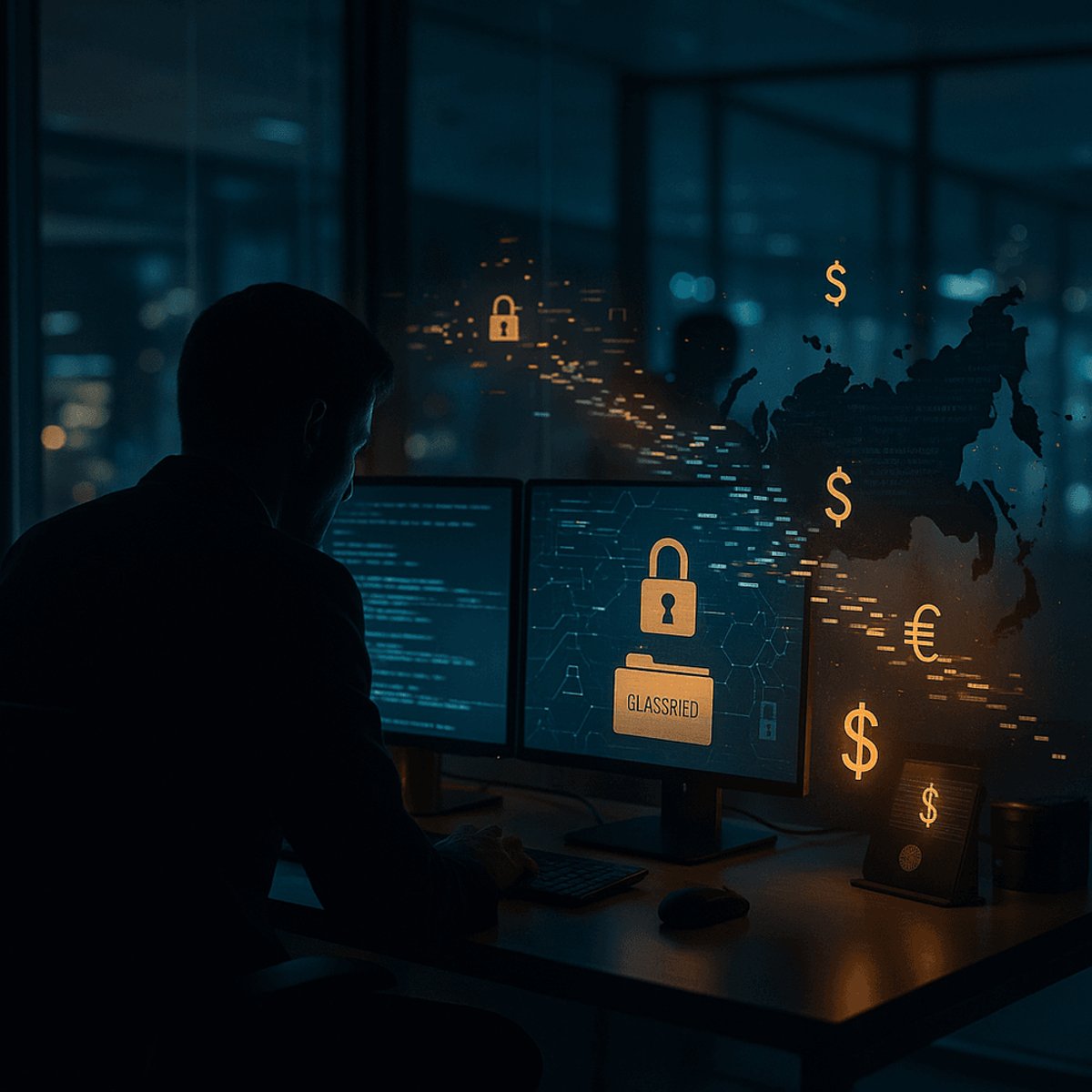
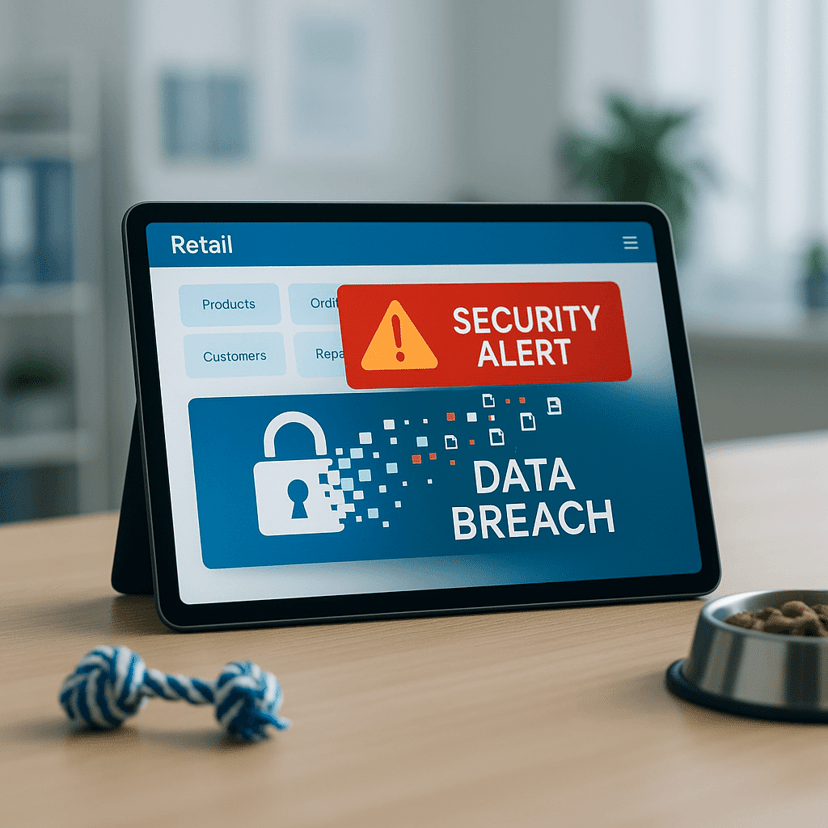
Peter Williams, the former general manager of L3Harris Trenchant division, just pleaded guilty to selling sensitive zero-day exploits to a Russian broker - a massive national security breach that caused over $35 million in damages. The case exposes how insider threats can compromise America's most sensitive cyber weapons, with Williams pocketing $1.3 million while potentially arming hostile nations with tools meant exclusively for U.S. allies.
The cybersecurity world just got rocked by one of the biggest insider threat cases in recent memory. Peter Williams, who ran L3Harris Trenchant division that develops some of America's most sensitive hacking tools, admitted Wednesday to selling eight zero-day exploits to a Russian broker for personal gain.
The Department of Justice confirmed that Williams exploited his access over three years to steal "national-security focused software that included at least eight sensitive and protected cyber-exploit components." These weren't just any hacking tools - they were sophisticated zero-days meant to be sold exclusively to the U.S. government and Five Eyes allies.
Williams, known in the industry as "Doogie," pocketed $1.3 million from the deal according to court documents filed in mid-October. But the real damage goes far deeper. U.S. Attorney Jeanine Pirro said Wednesday that Williams' crimes caused over $35 million in losses to Trenchant, while potentially giving hostile nations access to America's cyber arsenal.
"Williams betrayed the United States and his employer by first stealing and then selling intelligence-related software," said U.S. Assistant Attorney General for National Security John A. Eisenberg. "His conduct was deliberate and deceitful, imperiling our national security for the sake of personal gain."
The case exposes the hidden world of government-grade spyware development. Trenchant operates as L3Harris' specialized division creating exploits and zero-days - those are security vulnerabilities unknown to software makers that can be weaponized for surveillance. The company was born when L3Harris acquired two Australian startups, Azimuth and Linchpin Labs, in 2019 to build a cyber weapons pipeline for Western intelligence agencies.
What makes this betrayal particularly stinging is Williams' background. According to Risky Business journalist Patrick Gray, Williams previously worked at Australia's Signals Directorate, the country's top signals intelligence agency. He knew exactly what he was stealing and who he was selling to.
The unnamed Russian broker promised Williams millions in cryptocurrency payments, with contracts stipulating both initial payments and ongoing support fees. Prosecutors revealed the broker "publicly bills itself as a reseller of exploits to several customers, including the Russian government" - essentially describing "the next wave of international arms dealers" in Pirro's words.
This case also reveals the paranoia now gripping the exploit development industry. TechCrunch exclusively reported that Trenchant was investigating internal leaks, initially suspecting another employee who was later fired. That developer told TechCrunch he was made a "scapegoat," saying "I didn't do absolutely anything other than working my ass off for them."
The timing couldn't be worse for the cybersecurity community. As nation-states increasingly rely on cyber operations, the theft of American-developed exploits hands adversaries ready-made weapons that took years and millions to develop. Each zero-day represents countless hours of research into finding and weaponizing software vulnerabilities.
Williams now faces up to 20 years in prison on two trade secret theft charges, with sentencing scheduled for January 2026. He's currently under house arrest in Washington D.C., a dramatic fall for someone who once sat at the center of America's offensive cyber capabilities.
L3Harris declined to comment through spokesperson Sara Banda, while Williams' attorneys haven't responded to requests. The silence speaks volumes about an industry built on secrecy now grappling with betrayal from within.
The Williams case exposes a fundamental vulnerability in America's cyber warfare infrastructure - the human element. As companies like L3Harris develop increasingly sophisticated tools for government clients, they're creating high-value targets for both foreign intelligence services and insider threats. This case will likely trigger stricter security protocols across the defense contractor ecosystem, but it also raises uncomfortable questions about how many other Peter Williams might be out there, and whether the systems meant to protect America's cyber secrets are strong enough to handle the threats from within.