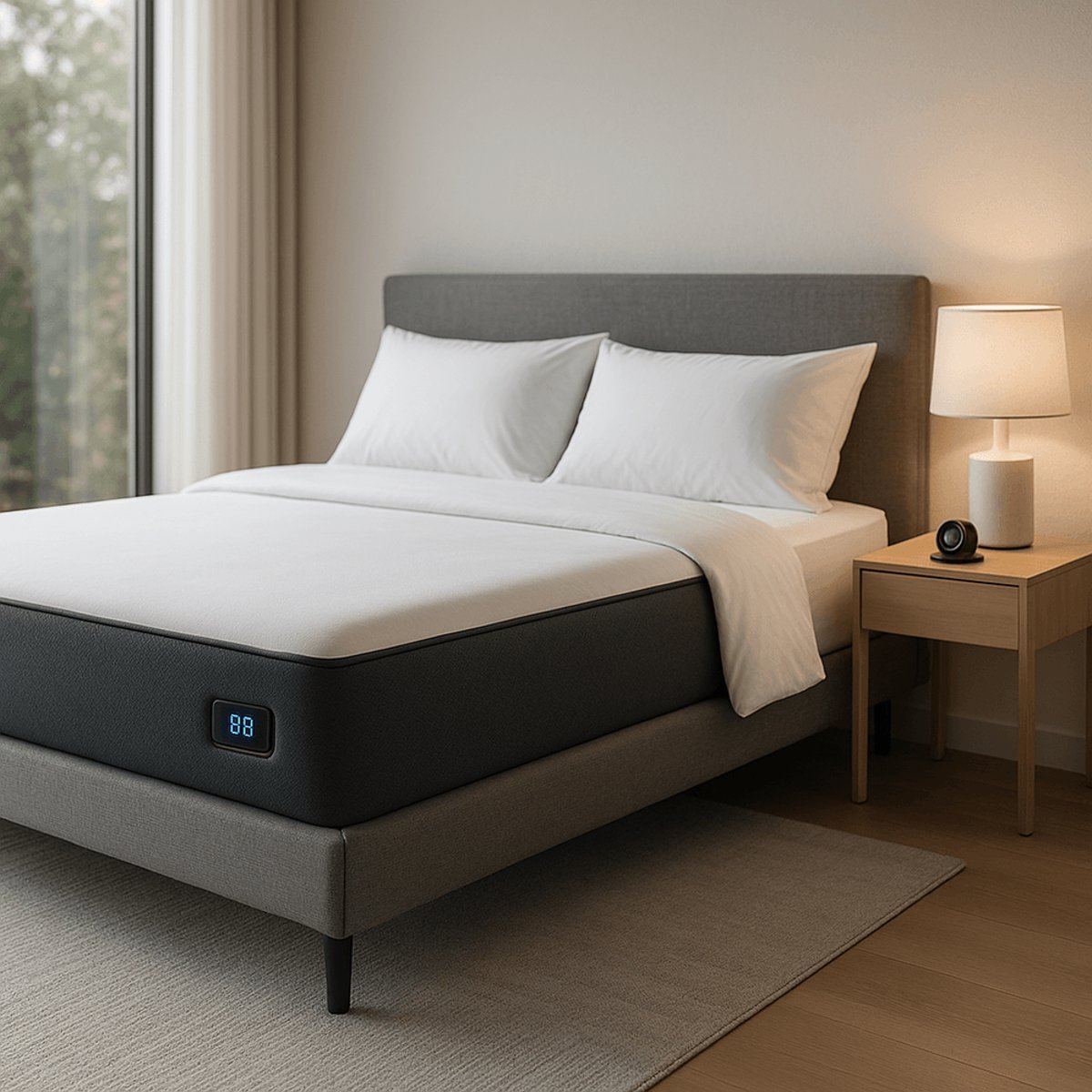
Eight Sleep, the smart mattress startup that's become a Silicon Valley status symbol, just closed a $50 million funding round at a $1.5 billion valuation. The rare achievement? The company's already free-cash-flow positive, making it one of the few consumer hardware startups to reach unicorn status while turning a profit. According to TechCrunch, Eight Sleep plans to deploy the capital toward new product launches, international expansion, and clinical validation studies that could position its sleep-tracking technology as a medical-grade tool.
Eight Sleep just proved that hardware startups can still command massive valuations if they nail the fundamentals. The smart mattress maker closed a $50 million funding round at a $1.5 billion valuation, with Tether Investments leading the round, according to an announcement covered by TechCrunch.
What sets this deal apart from typical hardware funding stories is Eight Sleep's profitability. The company achieved free-cash-flow positivity in 2025, a milestone that's exceptionally rare in the capital-intensive consumer hardware space. While software startups can scale with minimal marginal costs, hardware companies typically burn cash on manufacturing, inventory, and logistics well into their growth phase.
Eight Sleep's path to profitability likely stems from its premium pricing strategy and subscription model. The company sells temperature-regulating mattress covers starting around $2,000, paired with a monthly membership that unlocks advanced sleep tracking and personalized temperature controls. This recurring revenue stream creates predictable cash flow that's more typical of SaaS companies than hardware makers.
The funding comes as consumer sleep tech continues to gain traction beyond early adopters. Eight Sleep has cultivated a devoted following among tech executives, biohackers, and professional athletes who treat sleep optimization as seriously as nutrition or fitness. The company's products have become something of a status symbol in Silicon Valley, regularly name-dropped on podcasts and in founder circles.
But Eight Sleep isn't content to remain a luxury wellness brand. The company plans to use the fresh capital to pursue clinical validation studies that could transform its technology from a consumer gadget into a legitimate medical tool. If Eight Sleep can secure FDA clearance or publish peer-reviewed research demonstrating health benefits, it could unlock entirely new markets in healthcare and insurance.
The global expansion plans signal ambitions beyond Eight Sleep's current stronghold in North America. International markets represent massive growth potential, particularly in wellness-focused regions like Western Europe and parts of Asia where consumers are willing to invest heavily in health technology.
New product development will be crucial for maintaining momentum. While Eight Sleep's core offering has proven successful, the company will need to expand its product line to sustain growth and justify its unicorn valuation. Adjacent categories like smart pillows, bedroom environmental controls, or integrated health monitoring could be natural extensions.
The raise also reflects a broader shift in venture capital. After years of pouring money exclusively into software and AI, investors are rediscovering hardware companies that can demonstrate clear paths to profitability. Eight Sleep's financial discipline makes it an attractive bet compared to hardware startups that prioritize growth at all costs.
Tether Investments' involvement is particularly noteworthy. The firm, known for its cryptocurrency ties, has been diversifying into traditional tech investments. Leading a round for a profitable consumer hardware company suggests Tether is seeking stable, cash-generating assets to balance riskier crypto holdings.
Eight Sleep faces competition from established mattress manufacturers adding smart features and from dedicated sleep tech companies. But its head start in building a loyal customer base and achieving profitability gives it significant advantages. The subscription model creates switching costs that help retain customers over time.
The clinical validation strategy could be the real game-changer. If Eight Sleep can demonstrate measurable health outcomes, it might convince insurance companies to subsidize the technology or employers to offer it as a wellness benefit. That would dramatically expand the addressable market beyond consumers willing to spend thousands on a mattress accessory.
Eight Sleep's unicorn round proves there's still massive investor appetite for consumer hardware companies that can crack the profitability code. By combining premium pricing, subscription revenue, and a fanatical customer base, the company built something rare - a hardware business that actually makes money. The clinical validation push could unlock even bigger opportunities in healthcare, but the real story here is that disciplined hardware startups can still command billion-dollar valuations in a market that's been obsessed with AI and software. Watch whether Eight Sleep's profitability playbook inspires other hardware founders to prioritize margins over pure growth, and whether those clinical studies can transform sleep tech from a luxury purchase into a medical necessity.