Google is rolling out new tools designed to make digital transactions more secure and seamless, according to P.J. Linarducci, VP of Product Management for Consumer Payments. The announcement signals Google's push to position its payment platform as a trusted hub for both financial transactions and digital identity credentials, intensifying competition with Apple Wallet and traditional banking apps.
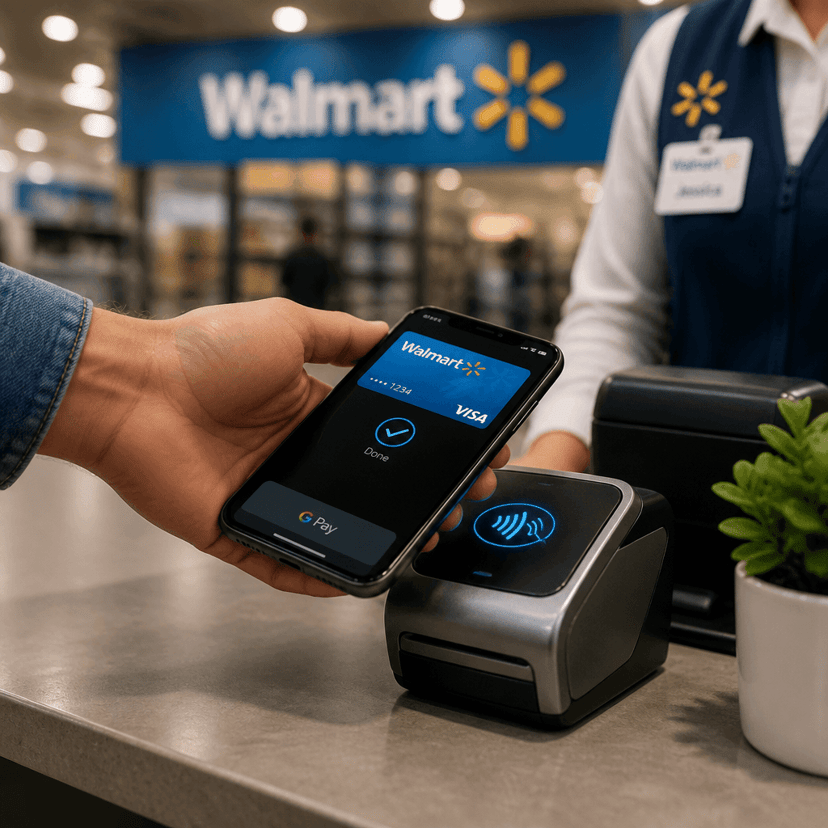
Google just made a significant play in the digital wallet wars. The company announced it's bringing enhanced security tools to more users, transforming Google Pay from a simple payment app into what it calls a "trusted home" for both payments and identity credentials.
The announcement from P.J. Linarducci, VP of Product Management for Consumer Payments, positions Google directly against Apple Wallet's growing ecosystem and the wave of banking apps adding identity features. While specific technical details remain scarce, the focus on seamless transactions combined with credential storage suggests Google is betting on convergence - the idea that your digital wallet should handle everything from coffee purchases to airport security checks.
This isn't just about convenience. Digital identity verification has become a massive pain point as more services move online. From age verification for social media to boarding passes and driver's licenses, consumers are juggling dozens of credentials across multiple apps. Google sees an opportunity to consolidate that chaos into a single, secure platform.
The timing matters. Several U.S. states now accept digital driver's licenses in Apple Wallet, and the TSA has expanded acceptance at airport checkpoints. Google's been playing catch-up in this space, and this announcement suggests they're accelerating efforts to close the gap. The company's Android dominance - powering roughly 70% of smartphones globally - gives it a massive potential user base that Apple can't match.
Security will be the make-or-break factor. Consumers need to trust that their driver's license, payment cards, and potentially even health records are protected with bank-level encryption. Google's track record here is mixed - the company has robust security infrastructure, but past privacy controversies make some users wary of centralizing more personal data with the tech giant.
The competitive landscape is getting crowded fast. Apple has first-mover advantage in digital IDs, traditional banks are launching their own digital wallet features, and fintech startups are nibbling at the edges with specialized solutions. Google's strength lies in integration - the ability to weave payment and identity tools across Search, Maps, Assistant, and the broader Android ecosystem.
What's less clear is the business model. Payment processing generates revenue through transaction fees, but digital identity storage could follow different economics. Google might be playing the long game here, using comprehensive wallet features to deepen user engagement and gather data that informs other parts of its advertising and services business.
The announcement also raises questions about interoperability. Will these credentials work across platforms, or will users be locked into the Google ecosystem? As digital identity standards evolve, the industry needs to avoid creating walled gardens that fragment the user experience.
For developers and merchants, this could mean new integration opportunities. If Google succeeds in making its wallet the default storage for credentials, businesses will need to ensure their systems can verify and process these digital IDs seamlessly. That creates both technical challenges and potential friction in the customer experience.
Google's push into secure digital identity positions the company at the intersection of two massive trends - the decline of physical wallets and the rise of digital credentials. Success depends on execution, user trust, and whether Google can convince millions to consolidate their most sensitive information into a single platform. With Apple already gaining ground and banks defending their turf, Google's got its work cut out. The real test comes when these tools actually ship and users decide whether convenience outweighs their privacy concerns.