Amazon is betting its gaming future on AI-powered party games and James Bond instead of big-budget MMOs. The company's Luna cloud gaming service has quietly pivoted from competing with traditional console games to hosting casual multiplayer experiences you control with your phone, including an AI game featuring Snoop Dogg as a virtual judge. The shift marks Amazon's latest attempt to crack the gaming market after years of misfires and strategic confusion.
Amazon's gaming division just threw out its playbook. Again. The company that once poured millions into building the next great MMO is now betting everything on casual party games you can play with your phone - and an AI-powered Snoop Dogg experience that sounds like it came from a fever dream pitch meeting.
The transformation centers on Luna, Amazon's cloud gaming service that launched nearly six years ago with dreams of taking on Xbox and PlayStation. That vision is dead. Luna has been reborn as a social gaming platform where your smartphone becomes the controller and AI personalities host the action.
According to reporting from The Verge, the relaunch happened late last year but the full scope of Amazon's strategic shift is only now becoming clear. The company is abandoning its MMO projects and redirecting resources toward what it calls "GameNight" experiences - lightweight multiplayer games designed for living room hangouts rather than hardcore gaming sessions.
The centerpiece? An AI-powered game where Snoop Dogg acts as a virtual judge, reacting to player performances in real-time. The implementation leans on generative AI to create dynamic responses, turning the rapper into an interactive host rather than a static character. It's a wild swing at making AI feel entertaining instead of utilitarian.
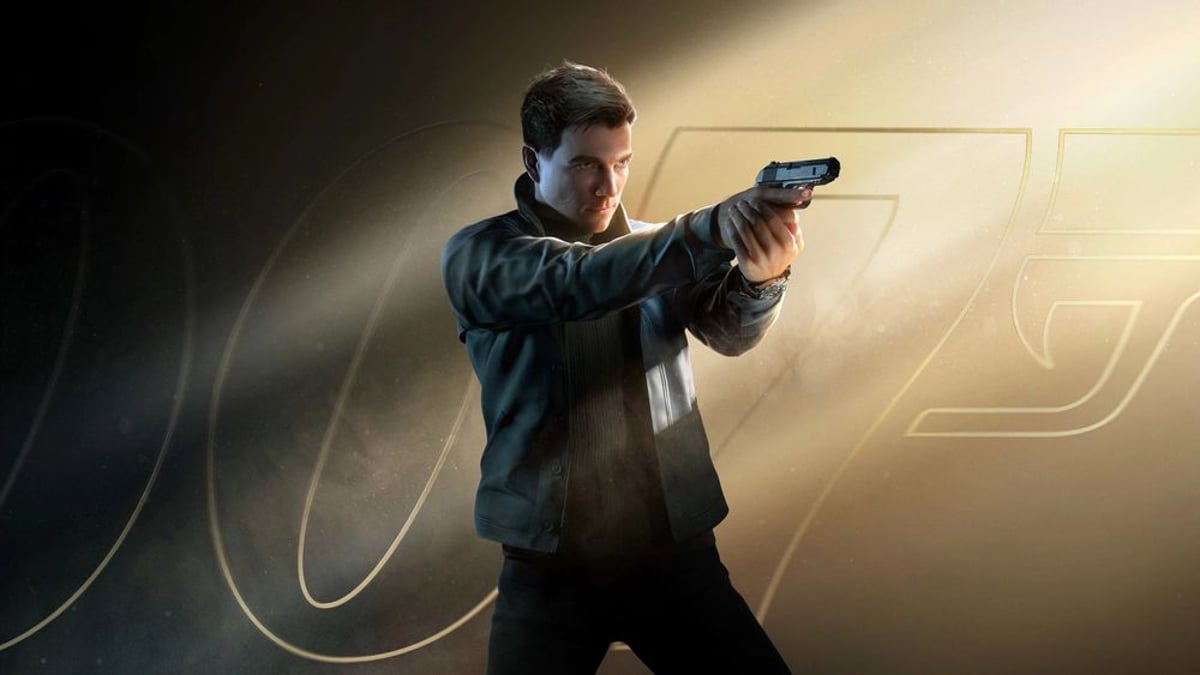
But the Snoop Dogg experiment is just the opening act. Amazon is also tapping into its massive content vault from the MGM Studios acquisition, with James Bond titles reportedly in development for the platform. The move makes strategic sense - Amazon paid $8.5 billion for MGM's library, and gaming represents an untapped revenue stream for those franchises.
The pivot comes after a brutal reality check in the traditional gaming space. Amazon Games spent years trying to crack the live-service model that made Fortnite and Destiny billions. The results were disastrous. New World launched with fanfare but bled players within months. Other ambitious projects got canceled before ever seeing daylight. The company that revolutionized cloud computing couldn't figure out how to make games people actually wanted to keep playing.
So Amazon is zigging where everyone else zags. While Microsoft and Sony fight over console supremacy and Nvidia powers the next generation of graphics, Amazon is targeting the casual gaming crowd that made Jackbox Games a household name. The bet is that most people don't want to invest in expensive hardware or learn complex control schemes - they just want to laugh with friends while holding the device already in their pocket.
The strategy leverages Amazon's existing strengths. Luna runs on AWS infrastructure, keeping server costs in-house. The Prime Video integration means built-in distribution to millions of subscribers. And Twitch, which Amazon acquired back in 2014, provides ready-made streaming capabilities for viral moments.
But the gaming graveyard is full of companies that thought they could crack the code with half-measures. Google shut down Stadia after burning through billions. Meta's VR gaming ambitions have yet to reach mainstream adoption. Gaming is notoriously difficult to break into without deep cultural credibility, and Amazon has struggled to build that despite throwing money at the problem for over a decade.
The AI integration could be the differentiator - or another gimmick that wears thin after the novelty fades. Using generative AI to create responsive, personality-driven game hosts is genuinely novel. If it works, it could make Luna feel alive in ways traditional party games can't match. If the AI responses get repetitive or awkward, the whole concept falls apart.
Industry analysts remain skeptical. Amazon's gaming division has whiplashed between strategies so many times that developers and gamers have learned not to get too invested in whatever the company announces. The MMO retreat triggered significant layoffs, and there's no guarantee the party game pivot won't meet the same fate if metrics don't hit targets within a few quarters.
What's clear is that Amazon is done trying to out-Sony Sony or out-Xbox Microsoft. The Luna relaunch represents a fundamental rethinking of what Amazon gaming can be - not a destination for serious gamers, but a casual entertainment option bundled into the broader Amazon ecosystem. Whether AI Snoop Dogg and mobile James Bond games are the answer remains to be seen.
Amazon's Luna gamble represents either a shrewd reading of where casual gaming is headed or another expensive detour in a decade-long quest to matter in the gaming world. The combination of AI-powered personalities, phone-based controls, and blockbuster IP from MGM could carve out a unique niche that doesn't require competing head-to-head with entrenched console platforms. But Amazon's track record in gaming inspires more caution than confidence, and the graveyard of failed cloud gaming services suggests the market for this approach may be smaller than Amazon hopes. The real test will come in the next year - whether Luna's party game strategy builds sustainable engagement or joins the long list of Amazon gaming experiments that quietly fade away.