Nvidia is making its boldest push yet into telecommunications infrastructure, unveiling agentic AI blueprints and specialized reasoning models designed to transform network operations from automated to truly autonomous. The move comes as telecom operators shift priorities - network automation has emerged as the top AI investment area according to Nvidia's latest State of AI in Telecommunications report. But Nvidia's betting that autonomy, not just automation, will define the next generation of telecom infrastructure.
Nvidia just handed telecom operators a roadmap to autonomous networks - and the timing couldn't be more critical. The chip giant's new agentic AI blueprints and telco reasoning models represent a fundamental shift in how telecommunications infrastructure operates, moving beyond simple automation into networks that can think, reason, and manage themselves.
The announcement centers on what Nvidia calls the distinction between automation and autonomy. Automation executes predefined workflows - if this happens, do that. Autonomy means networks that can assess situations, weigh options, and make decisions without human intervention. It's the difference between a thermostat and a building management system that learns your habits and optimizes energy usage on its own.
According to Nvidia's State of AI in Telecommunications report, network automation has emerged as the top AI use case for both investment and return on investment among telecom operators. That's a significant data point - it means carriers are putting real money behind AI infrastructure and seeing tangible returns. The report signals that telecom's AI moment has arrived, with operators shifting from experimentation to production deployment.
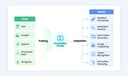
The agentic AI blueprints provide telecom operators with pre-built frameworks for deploying autonomous systems across their networks. Think of them as architectural templates that telecom engineers can customize for specific use cases - managing network traffic, predicting equipment failures, optimizing resource allocation. Nvidia's positioning these blueprints as accelerators, allowing operators to skip the foundational AI development work and jump straight to implementation.
But the real innovation sits in the telco reasoning models. These are specialized AI models trained specifically for telecommunications environments, capable of understanding the unique complexities of network operations. Unlike general-purpose AI that needs extensive fine-tuning for telecom applications, these models speak the language of telecommunications natively - they understand concepts like network slicing, spectrum allocation, and Quality of Service parameters.
The business case for autonomous networks is compelling. Telecom operators manage increasingly complex infrastructure - 5G deployments, edge computing nodes, IoT device explosions, and massive data flows. Human-managed networks can't scale to handle this complexity efficiently. Autonomous systems can monitor thousands of network elements simultaneously, identify patterns humans would miss, and respond to issues in milliseconds rather than minutes or hours.
Nvidia's entrance into telecom AI infrastructure aligns with the company's broader enterprise AI strategy. The same GPU architecture powering large language models and generative AI is now being tailored for telecommunications. It's a smart diversification play - as AI infrastructure spending accelerates across industries, telecom represents a massive addressable market with operators hungry for solutions that deliver measurable ROI.
The competitive implications are significant. Telecom equipment vendors like Ericsson and Nokia have been developing their own AI-powered network management solutions. Nvidia's providing the underlying AI infrastructure that could either complement those efforts or compete directly, depending on how partnerships evolve. Cloud providers like AWS and Microsoft are also eyeing telecom infrastructure as AI deployment expands to the edge.
What makes this announcement particularly noteworthy is the focus on ROI. Nvidia isn't just selling a vision of autonomous networks - they're citing data showing network automation delivers returns. That evidence-based approach resonates with telecom operators who've been burned by overhyped technologies in the past. 5G promised transformation but deployment costs have been brutal. Autonomous networks need to prove value quickly.
The technology could reshape how telecom operators staff their network operations centers. Fewer human engineers monitoring dashboards, more AI agents handling routine issues and escalating only complex problems requiring human judgment. It's not necessarily about job elimination - it's about redeploying human expertise to higher-value work while AI handles the repetitive, data-intensive tasks.
Timing matters here. Telecom operators are simultaneously managing 5G rollouts, planning for 6G research, and dealing with increasing pressure to reduce operational costs. Autonomous networks powered by agentic AI could help operators do more with less - optimizing existing infrastructure before spending billions on new equipment.
Nvidia's pushing telecom infrastructure into genuinely new territory with these agentic AI tools. The shift from automation to autonomy isn't just semantic - it represents networks that can actually reason through problems rather than just following scripts. For telecom operators drowning in network complexity while watching costs spiral, autonomous infrastructure might be less about innovation and more about survival. The ROI data Nvidia's citing suggests early adopters are already seeing returns, which means this technology could move from pilot projects to production deployments faster than previous telecom innovations. What happens when your network infrastructure gets smarter than the people managing it? We're about to find out.