Introduction
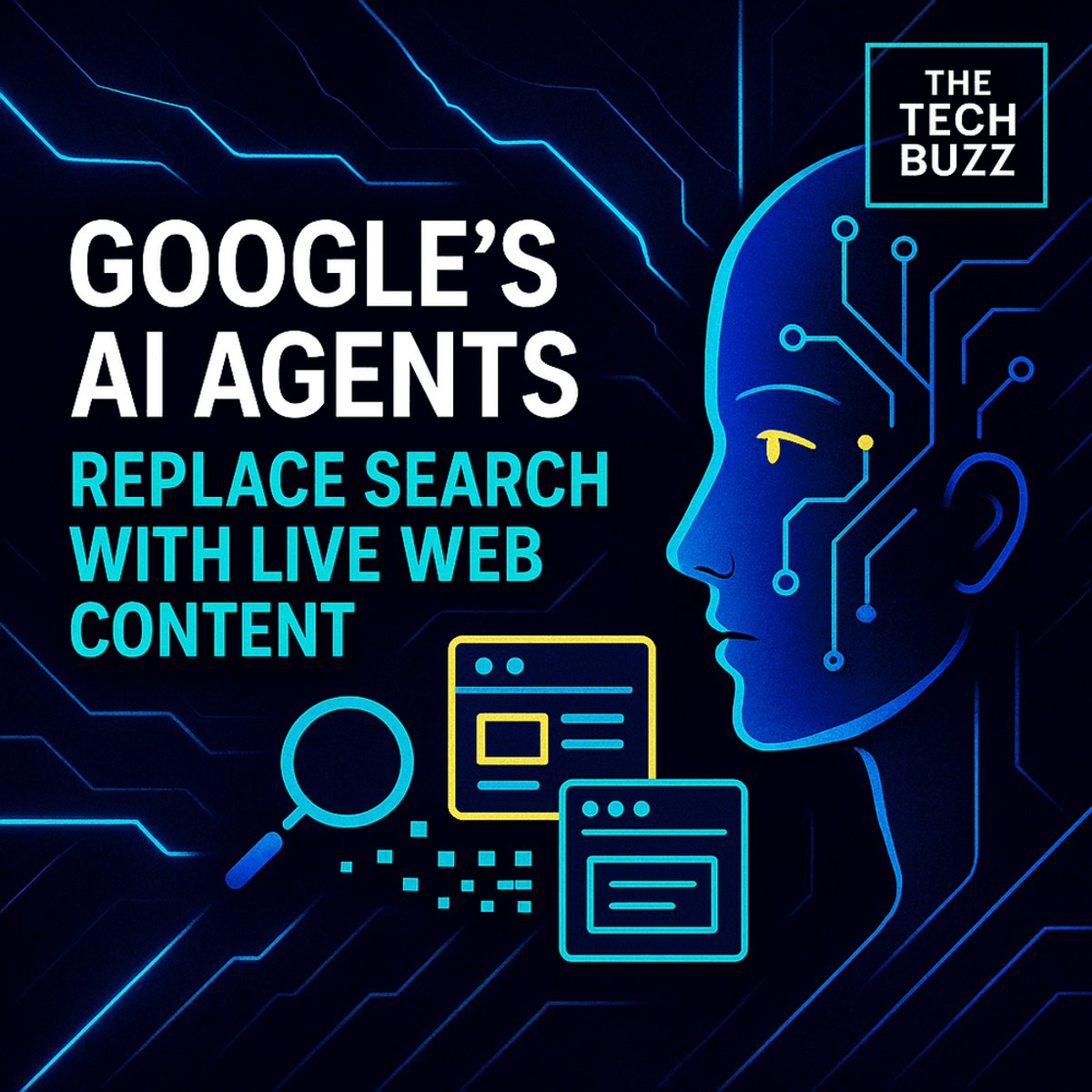
In a groundbreaking development revealed during the I/O 2025 conference, Google announced that its AI agents are set to revolutionize the way users interact with the web. This new model prioritizes delivering real-time web content directly to users, moving beyond the traditional search results format that has defined web searches for over 20 years.
The Shift from Search Results to Live Web Content
Historically, Google has fetched search results by offering lists of links, carefully ranked and selected by complex algorithms. This approach is now transformed. Google's AI agents will bypass this step, providing users with the most relevant live content, customized in real-time based on the query context.
How It Works
These AI agents utilize advanced machine learning techniques to pull the most pertinent information directly from websites, providing immediate access to the required data. This not only reduces the time users spend navigating search results but also enhances the relevance and quality of information delivered.
Implications for Search Behavior and SEO
This new paradigm alters user expectations and burdens traditional SEO practices with challenges and opportunities. As AI agents re-define what it means to "search" the web, businesses must rethink SEO strategies to ensure content is optimized for AI-crawling techniques rather than human-readable formats.
Analysis and Insights
The transition to AI-driven web fetching is poised to create both opportunities and challenges. On the one hand, users benefit from streamlined access and potentially more meaningful information interactions. Conversely, industries reliant on traditional search traffic might struggle, as their content needs to adjust for AI integration.
Google's move can be seen as a response to the increasingly complex digital landscape—a setting where users demand speed, accuracy, and convenience above all else. The effectiveness of AI in delivering accurate, immediate content will depend heavily on advancements in machine learning algorithms.
Conclusion
Google's introduction of AI agents designed to bring users the web rather than search results is a monumental shift in web navigation. Its success will influence how businesses strategize their online presence and how everyday users access information. Whereas this may streamline personal browsing, it sends ripples through industries relying on visibility driven by traditional search.
As these AI agents come into full effect, they herald a new era in digital interaction—one defined by immediacy and deeply personalized content delivery.