Google is making one of its largest bets on India's AI future with a $10 billion data center project in Andhra Pradesh. The massive investment signals how tech giants are racing to build the infrastructure backbone needed for AI's explosive growth, positioning India as a critical battleground in the global cloud computing wars.
Google just dropped a $10 billion bet on India's AI revolution, and the ripple effects are already reshaping the global cloud computing landscape. The tech giant announced plans to build massive data center infrastructure in southern India's Andhra Pradesh state, marking one of its most aggressive moves yet to capture the exploding demand for AI services in the world's most populous nation.
The announcement came Monday from Nara Lokesh, Minister for Human Resources Development of Andhra Pradesh, who revealed that Google will sign a memorandum Tuesday for a 1-gigawatt project. "This comes after a year of intense discussions and relentless effort, and is just the beginning," Lokesh posted on X, signaling even bigger investments could follow.
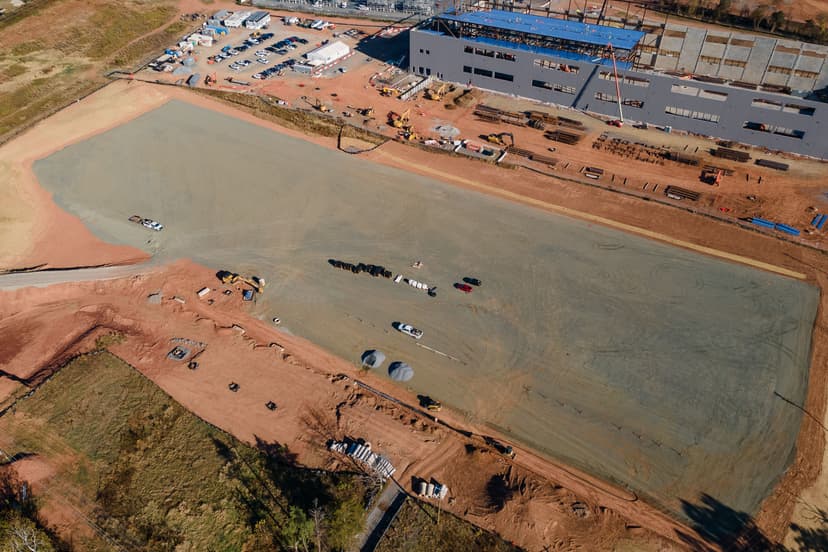
The investment will flow through Google's Indian subsidiary Raiden Infotech, which plans to develop three separate campuses across Visakhapatnam city, according to Economic Times reports. State officials are already eyeing a dramatic expansion - planning to scale up Andhra Pradesh's computing capacity to 6 gigawatts over the next three years.
This massive commitment reflects how desperately tech companies need infrastructure to keep up with AI's hungry appetite for computing power. Google's move comes just months after the company raised its 2025 capital expenditure forecast to $85 billion, up from $75 billion in February, citing "strong and growing demand for our Cloud products and services."
The India investment also follows Google's $25 billion commitment to AI and data center infrastructure across the biggest electric grid in the U.S. That massive domestic spending spree, announced in July, underscores how the company is betting big on AI infrastructure both at home and abroad.
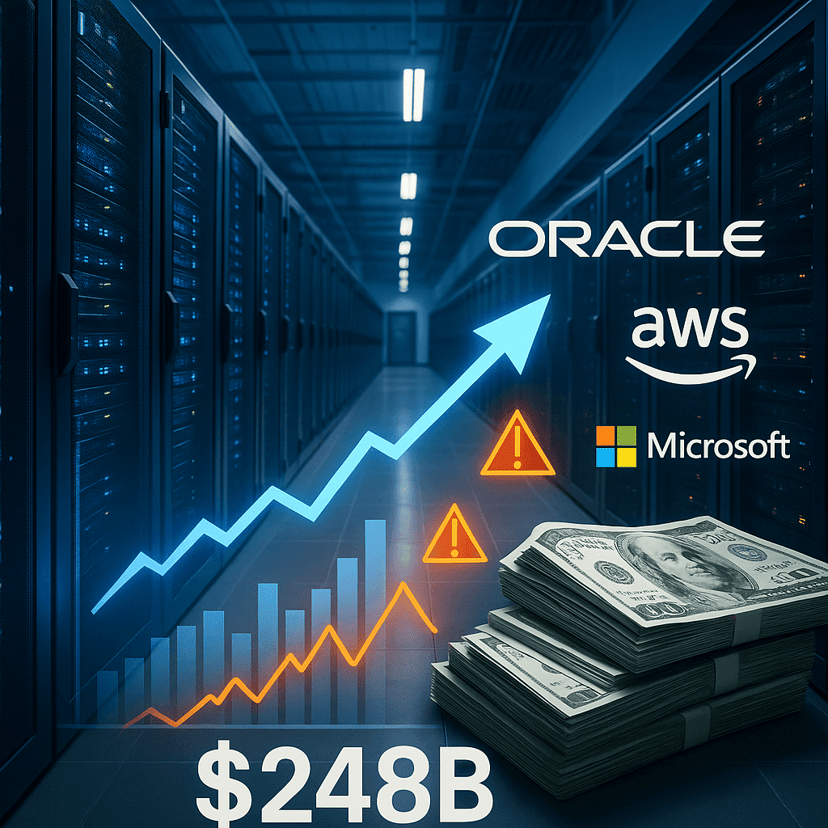
But Google isn't alone in recognizing India's strategic importance. Microsoft recently announced a $3 billion investment in India's cloud and AI infrastructure over two years, while Amazon Web Services committed $8 billion to Maharashtra state. The convergence of these massive investments signals that India has become ground zero in the global battle for AI infrastructure dominance.
The timing couldn't be more critical. As enterprises worldwide scramble to integrate AI capabilities, the demand for cloud computing power is growing exponentially. Companies that can't access reliable, high-performance infrastructure risk getting left behind in the AI revolution. Google's $10 billion commitment positions it to capture a significant slice of India's massive market while the AI boom is still in its early stages.
What makes this investment particularly strategic is India's unique position as both a massive consumer market and a global technology hub. The country's tech-savvy population and rapidly digitizing economy create enormous demand for AI services, while its skilled workforce makes it an ideal location for running complex AI operations.
The infrastructure arms race is intensifying as companies realize that AI's promise depends entirely on having enough computing power to deliver on it. Google's massive India bet suggests the company believes the winners in AI won't just be determined by who has the best algorithms, but who can build the infrastructure to run them at scale.
Google's $10 billion commitment to Indian AI infrastructure represents more than just another data center project - it's a strategic play for dominance in one of the world's fastest-growing tech markets. As AI reshapes everything from business operations to consumer services, the companies that can deliver the computing power to run these applications at scale will capture the biggest rewards. With Microsoft and AWS also betting billions on India, the stage is set for an infrastructure arms race that could determine who wins the global AI economy.