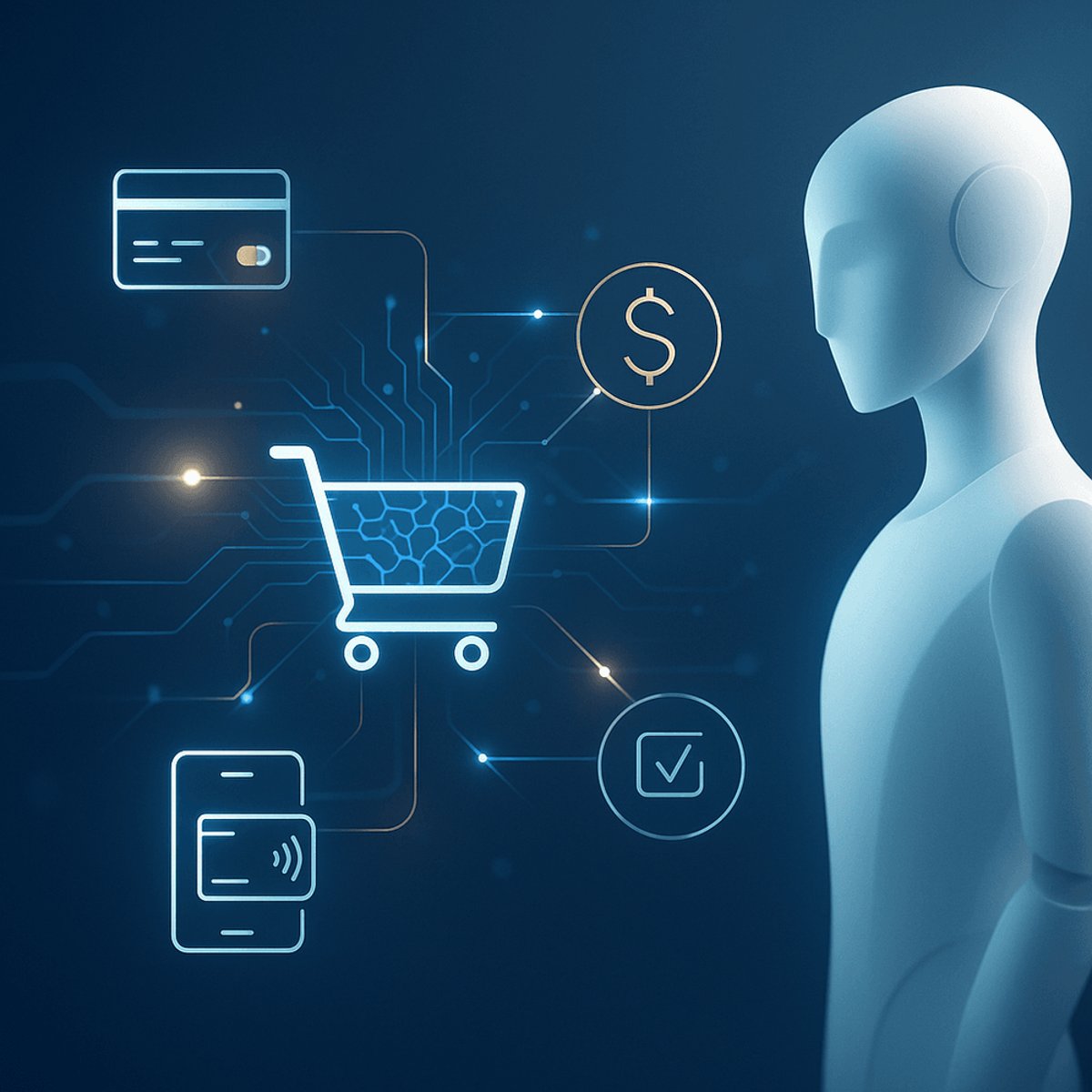
Google and PayPal just announced a multi-year partnership that's about to reshape how AI agents handle purchases online. The deal combines Google's AI firepower with PayPal's global payment infrastructure to create what they're calling 'agentic commerce' - shopping experiences where AI agents can autonomously make purchases on behalf of users. With over 60 merchants already backing Google's new Agent Payments Protocol, this partnership signals a major shift toward AI-driven e-commerce.
PayPal and Google are betting big on a future where AI agents handle your shopping. The companies announced Wednesday a sweeping multi-year partnership that marries Google's artificial intelligence capabilities with PayPal's global payment infrastructure to pioneer what they're calling 'agentic commerce' - essentially letting AI systems make purchases autonomously on behalf of users.
The timing isn't coincidental. Just Tuesday, Google unveiled its Agent Payments Protocol, an open standard designed specifically for AI-initiated transactions. Now PayPal's jumping in as a founding partner, lending serious credibility to what could become the backbone of AI-powered commerce.
"We're not just talking about smarter checkout buttons," according to sources familiar with the partnership. "This is about AI agents that can research products, compare prices, negotiate deals, and complete purchases without any human intervention." The companies are keeping specific implementation details under wraps, but the implications are massive for both traditional e-commerce and emerging AI applications.
PayPal brings more than just payment processing to the table. The company's global infrastructure handles billions of transactions annually, while its identity verification and personalization systems could help AI agents make more informed purchasing decisions. "PayPal's fraud detection and risk management become crucial when you're letting AI systems spend real money," notes one industry analyst who requested anonymity.
For Google, this partnership extends its AI reach beyond search and advertising into the lucrative payments space. The company's been quietly building AI commerce capabilities through Google Shopping and Google Pay, but PayPal's partnership provides instant global scale. "Google gets access to PayPal's 400+ million active users and merchant relationships that would take years to build independently," according to payments industry veteran Sarah Kim.
The deal's structure reveals both companies' strategic priorities. PayPal becomes a preferred payment provider across Google's enterprise products - Google Cloud, Google Ads, and Google Play - while integrating its Hyperwallet and PayPal Payouts services directly into Google's platform. This isn't just about AI commerce; it's about PayPal securing preferred placement across Google's entire ecosystem.
What makes this partnership particularly significant is the backing it's already receiving. Google's Agent Payments Protocol has attracted support from over 60 merchants and financial institutions, creating a potential network effect. "When you have major retailers, banks, and now PayPal all supporting the same AI payment standard, you're looking at the formation of a new industry infrastructure," explains fintech researcher David Chen.
The competitive implications are enormous. Amazon has been developing its own AI shopping capabilities through Alexa and its recommendation systems, while Apple continues expanding Apple Pay's reach. But neither has publicly embraced the concept of fully autonomous AI purchasing agents. "Google and PayPal are essentially making a bet that consumers will trust AI systems to make financial decisions," Chen adds.
Trust remains the biggest hurdle. Early tests of AI shopping agents have shown promise in controlled environments, but real-world deployment raises questions about accountability, spending limits, and user control. The partnership will need to address these concerns while building the technical infrastructure to support potentially millions of AI agents making simultaneous purchases.
Both companies are positioning this as the beginning of a fundamental shift in how commerce operates online. Instead of users browsing, comparing, and purchasing products manually, AI agents could handle entire shopping workflows - from need identification to product delivery coordination. The partnership announcement notably avoids specific timelines or product launches, suggesting the technology is still in development phases.
The Google-PayPal partnership represents more than just another fintech collaboration - it's a foundational move toward AI-driven commerce that could reshape how we shop online. While the companies haven't revealed specific product details or launch timelines, their combined reach across billions of users and merchants creates the infrastructure needed for autonomous AI shopping to actually work. The real test will be whether consumers are ready to let AI agents spend their money, and whether the technology can deliver the convenience it promises while maintaining the security and control users expect.