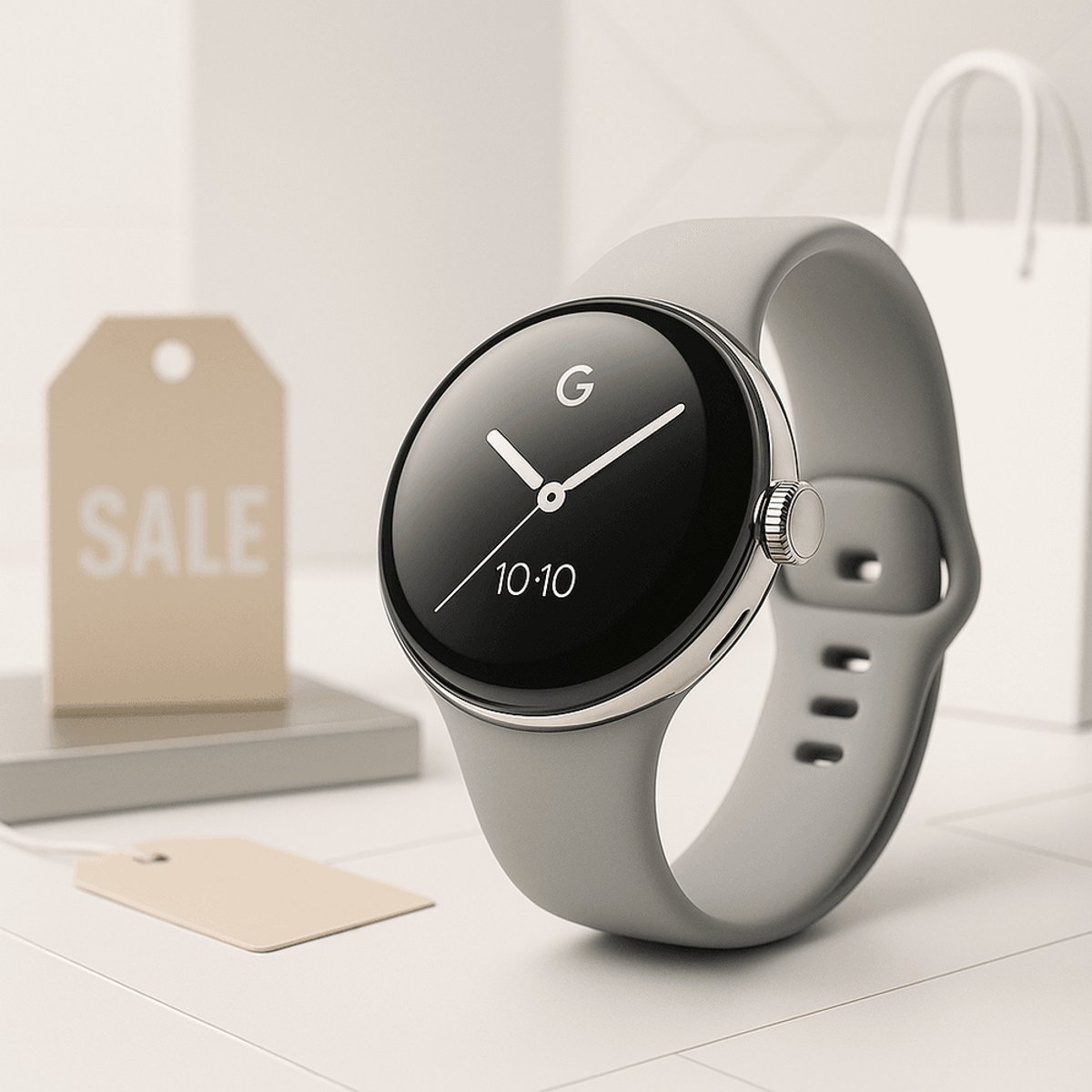
Google's Pixel Watch 3 just hit its lowest price ever at $200 on Amazon - a massive $100 discount that puts the premium smartwatch in direct competition with budget fitness trackers. The deal covers three colorways of the 45mm aluminum model, marking one of Google's most aggressive pricing moves in the wearables space since launching the Pixel Watch lineup.
Google just dropped a pricing bombshell that's reshaping the Android smartwatch landscape. The search giant's Pixel Watch 3 is now available for $200 at Amazon, slashing $100 off the original $300 retail price - the deepest discount we've seen since the device launched.
The deal spans three colorways of the 45mm aluminum model: matte black, champagne gold, and polished silver. This aggressive pricing puts Google's premium smartwatch at the same level as many basic fitness trackers, creating unprecedented value in the wearables market.
The timing couldn't be more strategic. While Apple continues to dominate smartwatch sales, Google has been steadily building momentum with Android users who've long envied iPhone owners' seamless Apple Watch integration. "Android users have been constantly looking at Apple Watch owners with envy," notes Wired's Brad Bourque, capturing the market dynamic Google is targeting.
The Pixel Watch 3 represents Google's most mature wearable effort yet, building on years of Wear OS refinements and the company's 2019 acquisition of Fitbit. The device features improved heart rate tracking, enhanced sleep monitoring, and automatic workout detection - capabilities that have evolved significantly since Google first entered the fitness tracking space with its Fitbit purchase.
What sets the Pixel Watch apart from Apple's offering is design philosophy. The round watch face creates a more traditional look compared to Apple's rectangular design, while the curved glass construction gives it an elegant aesthetic that stands out in meetings and social settings. Combined with 24-hour battery life that includes sleep tracking, it addresses many of the practical concerns that have kept Android users from embracing smartwatches.
The discount strategy reveals Google's broader hardware ambitions. By positioning premium features at budget prices, the company is following the playbook that made Pixel phones competitive against Samsung and Apple devices. The move also coincides with the recent launch of the Pixel Watch 4, allowing Google to clear inventory while introducing new users to the ecosystem.
For Google, success in wearables isn't just about hardware sales - it's about data collection and service integration. Every Pixel Watch user becomes more deeply embedded in Google's ecosystem, from Google Pay transactions to Google Assistant interactions. This long-term value explains why the company can afford such aggressive pricing.
The promotion highlights how competitive dynamics in wearables are shifting. While Apple maintains its premium positioning, Google is betting that price-conscious Android users will choose a discounted flagship over a budget alternative. Early indications suggest the strategy is working, with the Pixel Watch consistently ranking among top smartwatches for Android users.
Industry watchers see this as just the beginning. As Google ramps up hardware production and seeks to challenge Apple's dominance, expect more aggressive pricing across the Pixel ecosystem. The company has shown willingness to sacrifice short-term margins for long-term market share - a strategy that could reshape how consumers think about premium wearables.
The deal also signals Google's confidence in upcoming hardware releases. By clearing Pixel Watch 3 inventory at these prices, the company is likely preparing for significant announcements in 2024.
Google's $200 Pixel Watch 3 pricing represents more than just a simple discount - it's a strategic move to democratize premium smartwatch features for Android users. By bringing flagship capabilities to budget-friendly price points, Google is directly challenging the established order in wearables while building the foundation for its long-term ecosystem play. For consumers, it means access to premium health tracking, elegant design, and seamless Android integration at a price that finally makes sense.