TL;DR
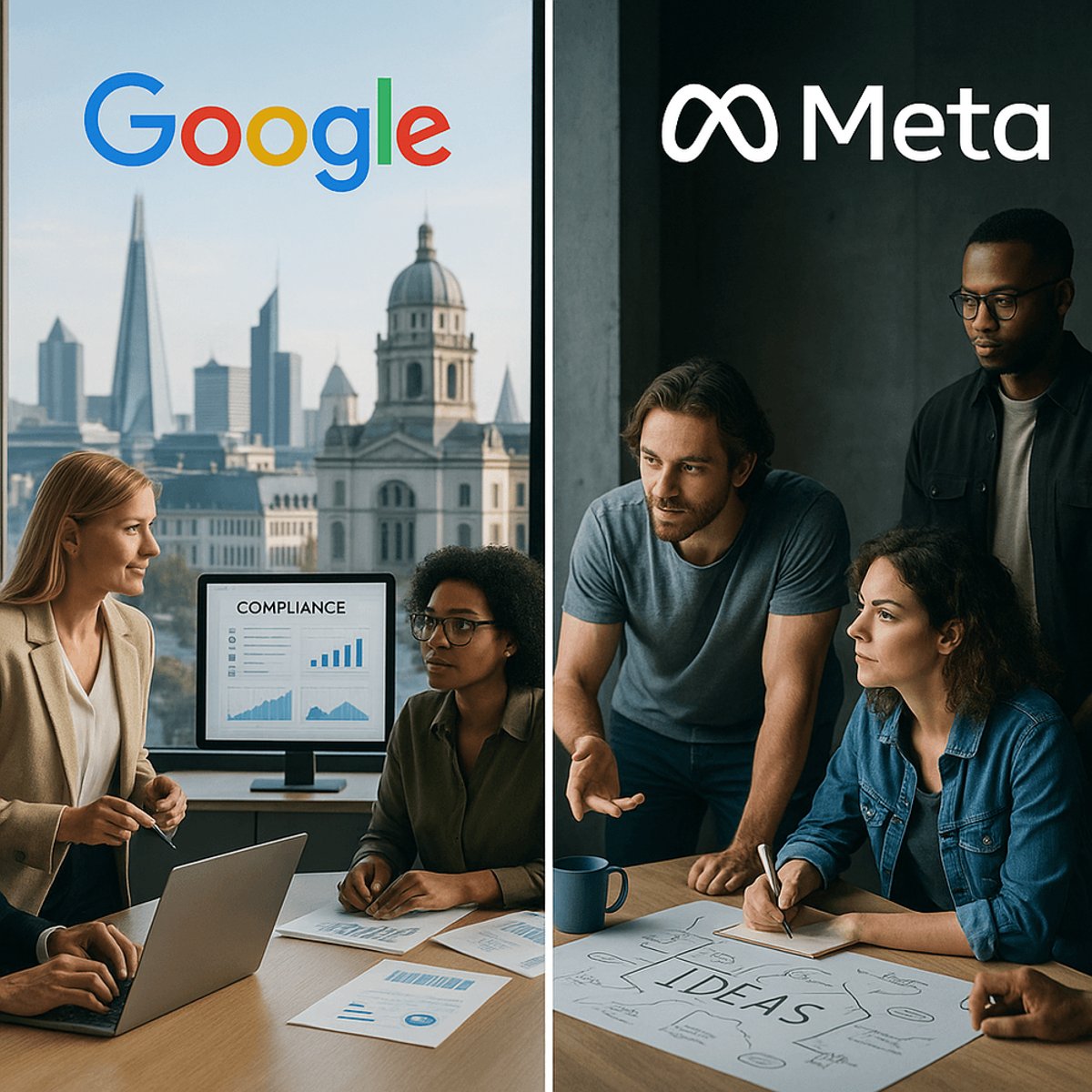
- - Google to sign EU's AI code; Meta won't.
- - 2-year compliance needed; impacts on EU AI competitiveness.
- - Provides insights into future AI regulatory trends.
- - Complying may boost Google's EU market position amid stricter norms.
Google recently confirmed it will sign the European Union's General Purpose AI Code of Practice—a move that contrasts sharply with Meta's refusal. As AI companies reckoning with these new regulations prepare to adapt, the globe is watching how this choice will impact AI governance and competitive dynamics. Executives need to understand the potential strategic advantages and challenges of compliance versus resistance.
Opening Analysis
Google’s decision to adhere to the European Union’s General Purpose AI Code of Practice underscores a significant strategic shift. While Google moves forward with adopting the voluntary framework, Meta has rejected it, citing regulatory overreach. Companies like Anthropic, Google, Meta, and OpenAI now face an August 2 deadline for regulations concerning ‘general-purpose AI models with systemic risk.’ Compliance requires mandatory changes over the next two years. This decision places Google and Meta in direct opposition regarding EU AI regulatory engagement.
Market Dynamics
This regulatory landscape shift brings immediate market positioning into focus. Google’s agreement to the code signals a strategic approach to gaining jurisdictional favor, perhaps translating into smoother European market operations. By contrasting, Meta’s pushback opens discussions on AI governance balance globally. Will resistance impact market penetration negatively, or could it foster an innovatively independent image?