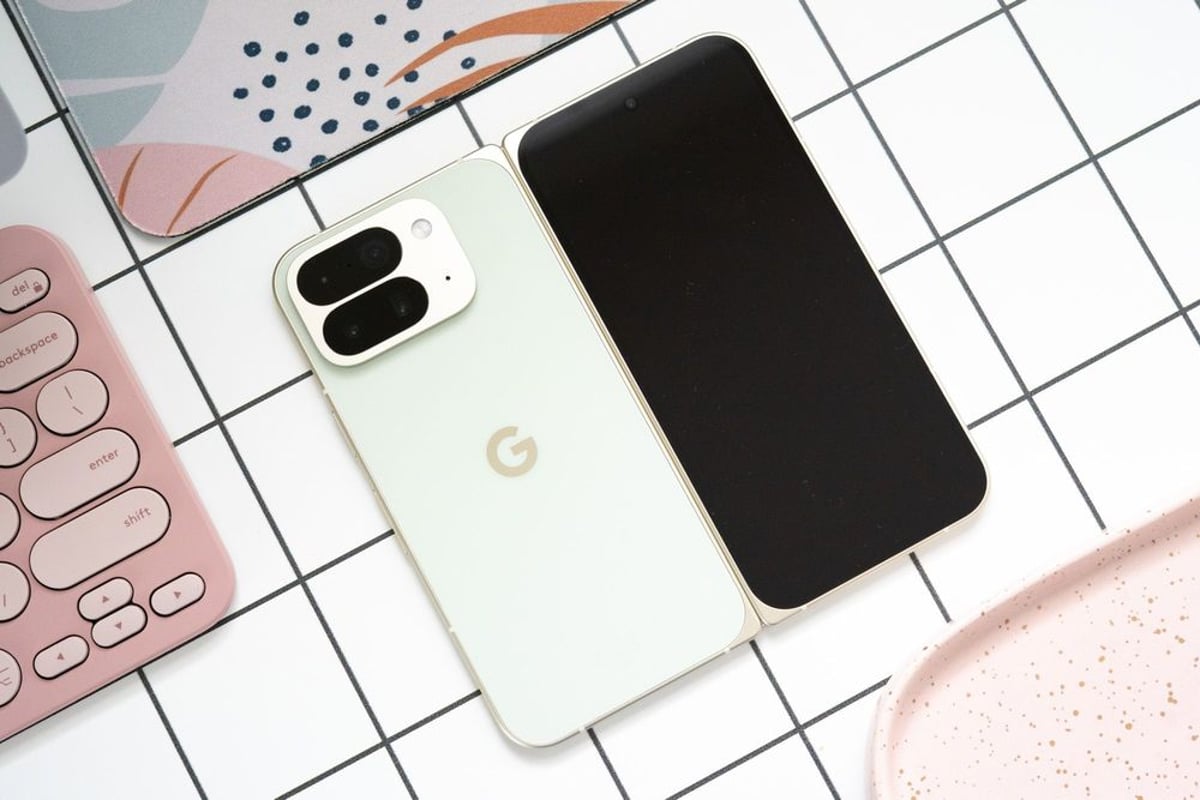
Google just delivered the holy grail of foldable phones - full dust and water resistance. The Pixel 10 Pro Fold survived an accidental beach torture test that would have destroyed previous foldables, marking a potential turning point for the entire category. This breakthrough addresses the number one reason reviewers haven't recommended spending nearly $2,000 on these devices.
Google's latest foldable just passed the ultimate durability test - and it wasn't even intentional. The Pixel 10 Pro Fold becomes the first folding phone to achieve IP68 dust and water resistance, a breakthrough that could finally make foldables viable for mainstream users who've been hesitant to spend flagship money on fragile devices.
The real test came at Seattle's Alki Beach, where The Verge's Allison Johnson accidentally subjected the $1,799 device to conditions that would have destroyed any previous foldable. The phone sank half an inch into sand with its screen unfolded, followed by an unexpected saltwater bath from an incoming wave. Sand infiltrated the hinge, creating an ominous crackling sound when opening and closing the device.
"I thought this phone was cooked," Johnson reported. But five days later, the Pixel 10 Pro Fold continues functioning normally after some compressed air cleaned out the hinge debris. While Google's IP68 rating technically only covers fresh water, the device's survival suggests the enhanced sealing is remarkably robust.
This durability breakthrough addresses the primary concern that's kept foldables from broader adoption. Until now, every non-folding flagship from the $500 Pixel 9A upward has carried IP68 protection, making it hard to justify spending double on a less durable device.
The 10 Pro Fold's other major upgrade comes through Qi2 magnetic charging support, built into the device rather than requiring a special case. The magnetic ring stand functions as both a grip aid and video viewing stand, particularly useful given the phone's substantial weight - about 16 percent heavier than Samsung's Galaxy Z Fold 7 and 9 percent more than an iPhone 17 Pro Max.
Performance remains solid across daily tasks, with the device running Diablo Immortal at maximum settings without thermal throttling or frame drops. Battery life varies significantly based on usage patterns, dropping to 60 percent on lighter Wi-Fi days but falling into the 30s with heavy inner screen usage. An adaptive battery setting helps optimize consumption, though it may delay some notifications.
The screen improvements include slightly brighter outer and inner displays compared to the 9 Pro Fold, plus a marginally larger outer screen thanks to slimmer hinge-side bezels. However, sustained peak brightness in direct sunlight remains limited before thermal protection kicks in.
Camera specifications represent the device's biggest compromise. Despite being Google's most expensive Pixel, the 10 Pro Fold shares the base model Pixel 10's cameras: a 48-megapixel main sensor and 10.8-megapixel 5x telephoto. The telephoto uses a smaller sensor than other Pro models, producing muddy details even in good light. Low-light performance also degrades faster compared to the larger sensors in traditional Pro phones.
Most AI features from the standard 10 Pro transfer to the Fold, excluding the AI zoom mode that's probably better left out given the camera limitations. Magic Cue continues proving useful for converting text plans into calendar events, while Gemini assistance helped troubleshoot cake baking issues during testing.
The competitive landscape remains limited, particularly in the US market. Samsung's Galaxy Z Fold 7 offers a slimmer, lighter alternative for users who prioritize portability over durability. But Google's dust resistance breakthrough could push the entire industry toward similar protection standards.
At $1,799, the 10 Pro Fold still costs significantly more than traditional flagships while delivering compromised camera performance. However, the IP68 rating removes a major psychological barrier that's prevented broader foldable adoption. Users no longer need to baby their investment quite as carefully, though beach photography sessions still aren't recommended.
The Pixel 10 Pro Fold's IP68 rating represents more than just a spec bump - it's a fundamental shift that could accelerate foldable adoption. While camera compromises and premium pricing persist, removing durability anxiety makes the large inner screen feel less like a luxury and more like a practical upgrade. Google's breakthrough should push competitors to match this protection level, potentially making 2025 the year foldables finally go mainstream.