Wired's Pete Cottell spent weeks testing meal replacement shakes that promise to eliminate the hassle of traditional eating. From Huel's thick chocolate blend to Soylent's tech-bro appeal, the review covers 13 products designed to replace breakfast with engineered nutrition. The comprehensive guide evaluates taste, texture, and satiety across brands targeting everyone from busy millennials to aging vegans.
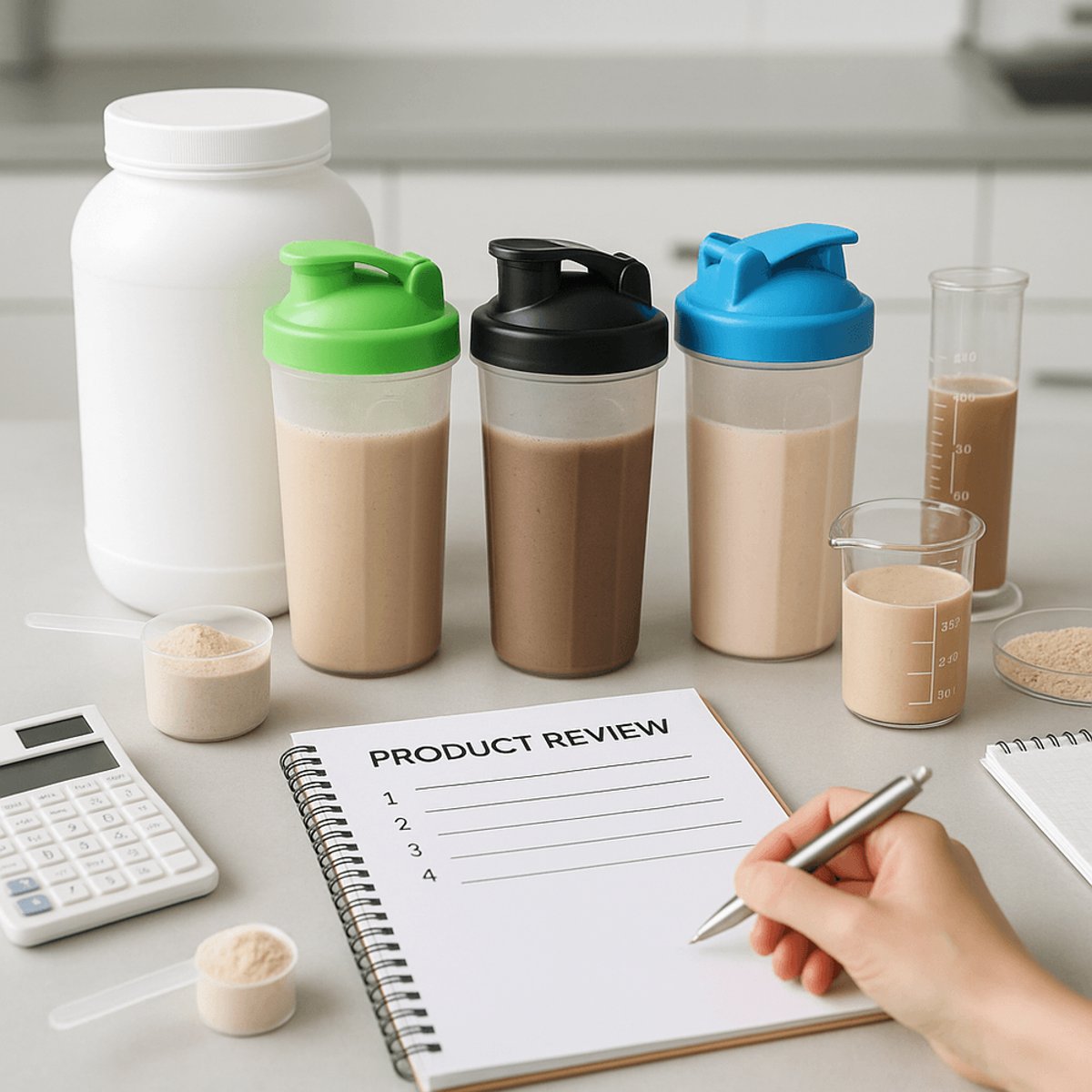
Wired just published what might be the most thorough meal replacement shake review ever attempted. Tech reviewer Pete Cottell spent months systematically testing 13 liquid nutrition products, from established players like Soylent to niche brands targeting specific demographics. The comprehensive guide arrives as meal replacement products evolve from Silicon Valley curiosity to mainstream nutrition solution. Cottell's methodology involved replacing breakfast for full weeks with each product, scoring them on taste, texture, and satiety using water-only preparation to simulate "post-apocalyptic" conditions. The approach deliberately avoided milk or blender enhancements, testing how these products perform in their most basic form. Huel Black Edition emerged as the top performer, earning praise for its "dummy thicc" consistency and 35 grams of protein per serving. The chocolate-flavored drink kept Cottell satisfied until 11am most mornings, though he notes the stevia aftertaste on the finish. At around $4 per serving, it represents the premium end of the market. Soylent secured the "Best Value" designation, maintaining its position as the meal replacement of choice for busy tech workers. Founder Rob Rhinehart's 2013 vision of eliminating food preparation hassles resonates more than ever, according to Wired's analysis. The vanilla flavor satisfied Cottell until lunchtime at just $3 per serving. The review reveals how dramatically the meal replacement landscape has diversified since Soylent's early dominance. Happy Viking targets health-conscious consumers with Venus Williams endorsement, while CTRL aims squarely at gamers with flavors reminiscent of "cereal-flavored vape juice." Garden of Life caters to aging vegans, and SlimFast maintains relevance by updating its classic formula. Cottell's scoring system evaluated three key metrics across all products. Taste scores ranged from SlimFast's nostalgic 9.3 ("somewhere between freshly baked vanilla cake and Barbie doll smell") to CTRL's disappointing 4.2. Texture ratings similarly varied, with some products achieving smoothness while others remained persistently chalky despite blending efforts. Satiety proved the most critical factor, measuring how long each shake delayed hunger pangs. Huel and HLTH Code performed best here, consistently providing 4+ hours of satisfaction. Lower-performing options like OWYN left Cottell "shaky and malnourished by 10am," highlighting the importance of adequate protein and fat content. The review methodology deliberately stressed real-world conditions. Cottell prepared all products with basic water and shaker bottles, avoiding premium preparation methods that many consumers won't use daily. This approach revealed which formulations truly deliver on their convenience promises versus those requiring additional effort to become palatable. Pricing analysis shows significant variation across the category. Redcon1 offers the most economical option at around $1 per serving, while SaladPower commands premium pricing near $9 for its vegetable-focused formula. Most mainstream options cluster between $3-5 per serving, positioning them competitively against cafe breakfast alternatives. The timing of Wired's comprehensive review coincides with growing mainstream acceptance of meal replacement products. What began as a fringe Silicon Valley experiment has evolved into a billion-dollar category serving diverse consumer needs, from time-pressed professionals to health-conscious seniors seeking convenient nutrition. Industry observers note how the review's publication in a mainstream tech publication signals meal replacements' transition from novelty to accepted food category. The detailed scoring methodology and real-world testing approach provide consumers with practical guidance previously unavailable in this rapidly expanding market segment.
Wired's systematic testing reveals meal replacement shakes have matured from Silicon Valley novelty into legitimate nutrition solutions for time-pressed consumers. While taste and texture vary dramatically across brands, top performers like Huel and Soylent deliver genuine convenience without sacrificing satiety. The category's expansion into specialized niches - from gaming-focused formulations to senior-targeted options - demonstrates how liquid nutrition is becoming mainstream. For consumers considering the meal replacement route, Cottell's methodical approach provides the most comprehensive guidance available, though success ultimately depends on individual taste preferences and lifestyle needs.