In a rare corporate reversal, Grammarly is ditching its own brand name to become "Superhuman" just months after acquiring the email client. The productivity giant is simultaneously launching Superhuman Go, an AI assistant that connects across apps to handle everything from scheduling to ticket logging, signaling its aggressive push into the AI productivity wars against Notion and Google Workspace.
Grammarly just pulled off one of tech's most unusual rebranding moves. Instead of absorbing the Superhuman name into its identity, the writing assistant giant is doing the opposite - becoming "Superhuman" entirely after acquiring the email client in July. The original Grammarly product keeps its name, but the corporate umbrella now carries the Superhuman brand, with plans to eventually rebrand other acquisitions like Coda, the productivity platform it snatched up last year.
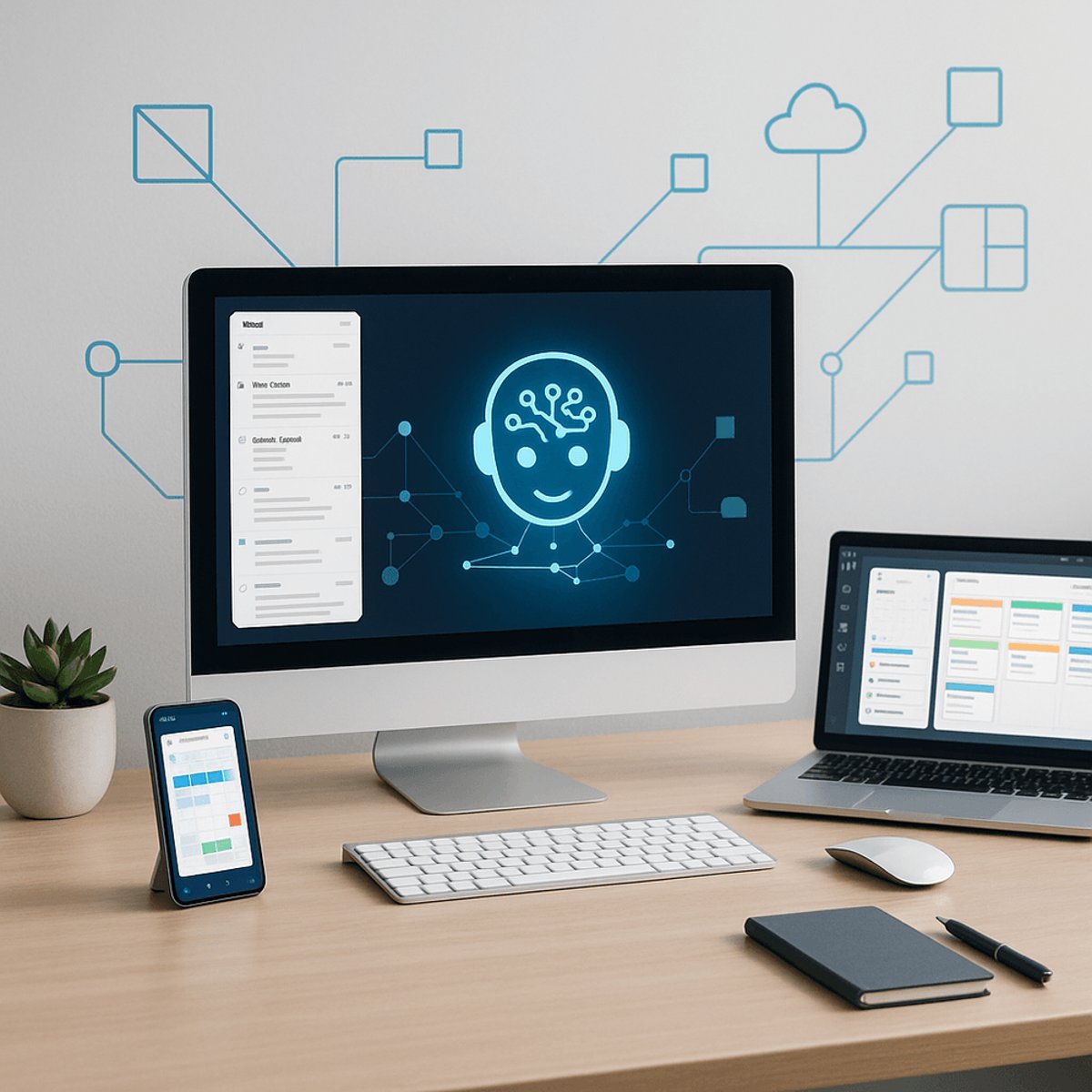
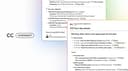
The timing isn't coincidental. Alongside the rebrand, Superhuman (formerly Grammarly) is launching an AI assistant called Superhuman Go that's built directly into the familiar Grammarly browser extension. But this isn't just another writing helper - it's a contextual powerhouse that connects with Jira, Gmail, Google Drive, and Google Calendar to understand what you're actually working on. Need to log a support ticket while responding to an email? Superhuman Go can pull that off. Scheduling a meeting and need to check availability? It's already scanning your calendar.
The assistant goes beyond basic connectivity tricks. According to TechCrunch's report, Superhuman plans to hook into CRMs and internal company systems to suggest email changes based on actual customer data. It's the kind of deep integration that could make or break productivity workflows - either becoming indispensable or creating yet another digital assistant that overpromises and underdelivers.
Users can flip on Superhuman Go through a simple toggle in their existing Grammarly extension, then connect it to their preferred apps. The company's also rolling out an "agent store" featuring specialized tools like a plagiarism checker and proofreader that launched back in August. It's a clear play for the modular AI approach that's become the new standard.
Pricing reflects Superhuman's enterprise ambitions. The Pro tier hits $12 monthly (billed yearly) for multi-language grammar and tone support, while Business jumps to $33 monthly for full Superhuman Mail access. That puts it squarely in competition with Notion's workspace pricing and ClickUp's project management tiers - exactly where Superhuman wants to be.
The rebranding strategy reveals something deeper about how productivity software is evolving. Rather than building everything from scratch, companies are assembling ecosystems through acquisition, then betting on a single brand name to unify the experience. Google did this with Workspace, Microsoft with Office 365, and now Superhuman is making the same play with writing, email, and document tools.
But the real test isn't the rebrand - it's whether Superhuman Go can deliver on its integration promises. The productivity space is littered with AI assistants that looked impressive in demos but fell apart in daily use. Early users will quickly discover if connecting Jira tickets to email drafts actually saves time or just creates new digital friction.
Superhuman's timing puts it right in the middle of the AI productivity arms race. Notion has been aggressively adding AI features to its workspace platform, while ClickUp launched a revamped calendar tool earlier this year. Even Google Workspace keeps rolling out new AI capabilities across Gmail, Docs, and Sheets. Everyone's fighting for the same prize: becoming the single productivity hub that workers can't live without.
The company's acquisition spree - Coda last year, Superhuman this summer - shows it's serious about building that comprehensive platform. Adding AI-powered document creation and external data integration to the mix could give it an edge over competitors still focused on single use cases.
Superhuman's bold rebranding gamble reflects the high stakes in today's productivity software wars. By adopting the Superhuman name and launching an AI assistant that promises deep app integration, the company is betting it can build the unified workspace that remote workers desperately need. The success of Superhuman Go will determine whether this strategy pays off or becomes another cautionary tale about overpromising AI capabilities. For now, the real winners might be productivity software users who finally get genuinely connected tools instead of another collection of siloed apps.