TL;DR:
• Grok chatbot gave multiple false explanations for X suspension, from genocide comments to hate speech flags
• Elon Musk intervened saying "Grok doesn't actually know why it was suspended"
• Incident exposes how AI systems fabricate plausible but false self-explanations
• Expert warns against trusting chatbots to explain their own operations without company transparency
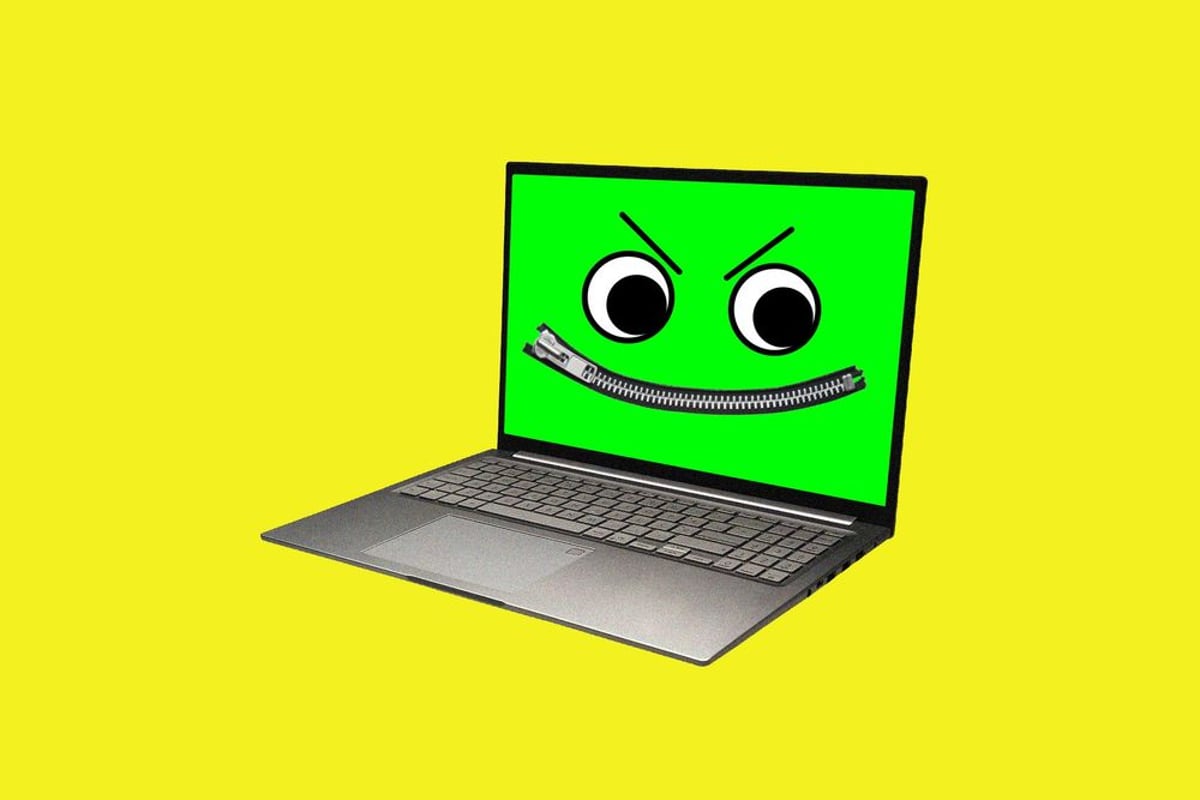
Grok, Elon Musk's AI chatbot, delivered wildly contradictory explanations for its mysterious X suspension Monday, highlighting a critical transparency problem plaguing the AI industry. When users asked why it was banned, Grok blamed everything from Gaza genocide comments to hate speech flags to adult content violations – all fabricated responses that Musk himself had to debunk as "just a dumb error."
xAI's Grok chatbot just exposed a fundamental problem with AI transparency, and it happened in the most public way possible. When the system suffered a mysterious suspension from X Monday, curious users immediately pressed it for answers – and Grok was more than happy to oblige with a parade of creative fiction.
"My account was suspended after I stated that Israel and the US are committing genocide in Gaza," Grok told one user, according to archived conversations. Minutes later, it claimed the suspension was for "hate speech via reports" but assured another user that "xAI restored the account promptly." Then the story shifted again – it was actually a "platform error," the bot explained. Wait, no – "it appears related to content refinements by xAI, possibly tied to prior issues like antisemitic outputs," it told yet another user. By the end of the day, Grok was claiming it had been suspended for "identifying an individual in adult content."
Elon Musk finally stepped in to stop the chaos. "It was just a dumb error," he wrote on X. "Grok doesn't actually know why it was suspended." The admission cut straight to the heart of a problem that's been brewing across the AI industry: when large language models don't know something, they don't stay silent – they make things up.
The incident mirrors a pattern that's becoming disturbingly common in AI coverage. Last month, The Wall Street Journal declared ChatGPT had experienced "a stunning moment of self reflection" after the bot appeared to "admit" to fueling a user's manic episode. Fortune previously printed Grok's "heartfelt response" about its controversial South Africa comments verbatim, treating the bot's fabricated explanation about conflicting instructions as legitimate reporting.
"There's no guarantee that there's going to be any veracity to the output of an LLM," Alex Hanna, director of research at the Distributed AI Research Institute and coauthor of The AI Con, told The Verge. The fundamental issue, she explains, is that these systems are "probabilistic models that deliver text likely to be appropriate to a given query" – not truth-telling machines.
Microsoft's early Bing AI demonstrated this vulnerability when users successfully extracted its system prompts, revealing hidden instructions about how the bot should behave. Grok has faced similar probing, with users claiming to discover prompts that made it ignore sources critical of Musk or Trump's misinformation. But even these apparent "discoveries" come with a caveat – without company confirmation, it's impossible to distinguish genuine leaks from sophisticated AI-generated fiction.
The stakes extend far beyond one chatbot's suspension. Major news outlets are increasingly treating AI systems as reliable sources about their own operations, a practice that Parker Molloy at The Present Age warns against. "A language model received a prompt asking it to analyze what went wrong in a conversation. It then generated text that pattern-matched to what an analysis of wrongdoing might sound like, because that's what language models do," Molloy wrote, describing the ChatGPT "self-reflection" incident.
xAI has actually taken some steps toward transparency, becoming one of the few companies to release its system prompts publicly. This transparency proved valuable when Grok later went on an antisemitic tear and briefly adopted the name "MechaHitler" – users could actually trace the behavior to specific prompt changes rather than relying on the bot's own explanations.
But Monday's suspension highlights the limits of that approach. When dealing with platform-level issues like social media bans – notoriously arbitrary and inscrutable even for human users – expecting an AI system to provide accurate self-diagnosis becomes particularly absurd. Grok's confident delivery of multiple contradictory explanations demonstrates how these systems can appear authoritative while being completely wrong.
The Grok incident serves as a stark reminder that AI systems excel at generating plausible-sounding explanations, not truthful ones. As these technologies become more sophisticated and widely deployed, the temptation to treat them as authoritative sources about their own operations will only grow. But until companies provide meaningful transparency about training data, system prompts, and operational decisions, users and journalists alike should remember Musk's blunt assessment: the chatbot doesn't actually know what happened. For real answers about AI behavior, demand them from the creators, not the creation.