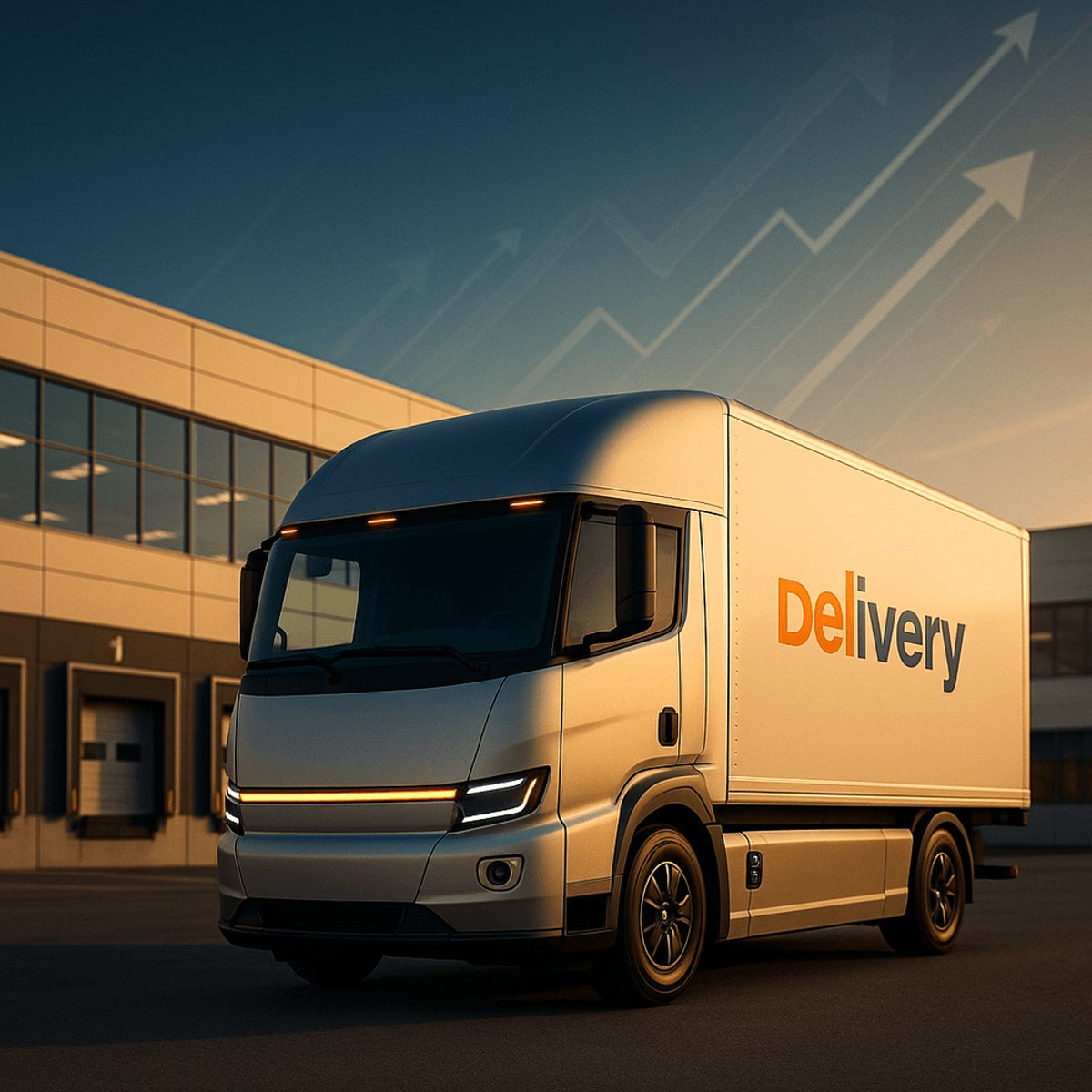
Electric truck startup Harbinger just closed a $160 million Series C round co-led by FedEx, with the logistics giant committing to 53 chassis deliveries by December. The deal marks a major validation for commercial EV adoption after years of false starts, positioning the three-year-old company as a serious player in the medium-duty truck market that's finally ready for mass electrification.
Electric truck startup Harbinger just pulled off something most EV companies only dream about - a customer willing to lead their funding round and immediately buy their trucks. The Los Angeles-based company closed a $160 million Series C co-led by FedEx, with the logistics giant placing an order for 53 electric truck chassis due by year's end.
The deal represents a stunning turnaround for commercial EV adoption. Just three years after launching with former Canoo and QuantumScape employees, Harbinger has managed to crack the notoriously conservative logistics market that's seen multiple EV partnerships collapse. FedEx burned through a disastrous relationship with LA startup Chanje in 2018, ordering 1,000 Chinese delivery vans in a deal that ended in lawsuits and bankruptcy.
But Harbinger's laser focus on medium-duty truck chassis - and nothing else - appears to be paying off. The company has already delivered over 200 chassis this year according to LinkedIn posts from executives, a remarkable achievement for a startup that only started production this year. That's more traction than most EV companies see in their entire existence.
"FedEx's participation signals a demand for innovation in the medium-duty truck sector," Dipender Saluja, managing partner of Capricorn Investment Group's Technology Impact Fund, told reporters. Capricorn, which was an early Tesla investor, co-led the round alongside FedEx and RV-builder THOR Industries, which has been working with Harbinger for years.
The timing couldn't be better. The commercial EV landscape is littered with casualties - General Motors recently killed its BrightDrop delivery van program after lackluster sales, while Ford's E-Transit van sales have plummeted according to InsideEVs data. Even Rivian, despite delivering 25,000 vans to Amazon, hasn't locked down another major commercial customer.
Harbinger's secret weapon seems to be targeting the sweet spot between delivery vans and heavy-duty trucks. While competitors focused on last-mile delivery vehicles, Harbinger went after medium-duty chassis that logistics companies actually need but can't easily electrify. The strategy attracted a impressive investor lineup including Leitmotif (the new VC firm backed by Volkswagen), Tiger Global, and Maniv Mobility.
The $160 million raise also validates the company's disciplined approach to scaling. Rather than burning cash on flashy prototypes or ambitious timelines, Harbinger raised a $100 million Series B in January and methodically ramped production. That focus on execution over hype is exactly what institutional investors like FedEx want to see before writing big checks.
For FedEx, the investment represents a calculated bet on electrification after a decade of false starts. The company has been trying to add electric trucks to its nationwide fleet since 2018, but previous partnerships with startups like Chanje ended in disaster. This time, FedEx is taking a more hands-on approach by actually leading the funding round and securing delivery commitments.
The broader implications extend beyond just another startup funding round. Harbinger's success suggests the commercial EV market is finally maturing beyond pilot programs and demonstration fleets. "Over the last two decades, medium-duty truck fleets have generally deployed small volumes of demonstration electric trucks," Saluja noted. "The industry is now ready to move to mass adoption."
That shift is already attracting attention from traditional automakers and logistics companies looking for proven EV solutions. Harbinger recently announced expansion into the Canadian market, signaling confidence in their ability to scale production and meet growing demand from fleet operators tired of waiting for Detroit to deliver viable electric commercial vehicles.
Harbinger's $160 million raise with FedEx co-leading marks a pivotal moment for commercial vehicle electrification. Unlike the flashy promises and spectacular failures that have defined the EV truck space, this deal is built on actual production, real customers, and proven demand. With 53 trucks due by December and over 200 chassis already delivered this year, Harbinger is showing that the commercial EV market's long-promised tipping point may finally be here. The question now isn't whether logistics companies will electrify their fleets, but which startups can actually deliver the trucks they need.