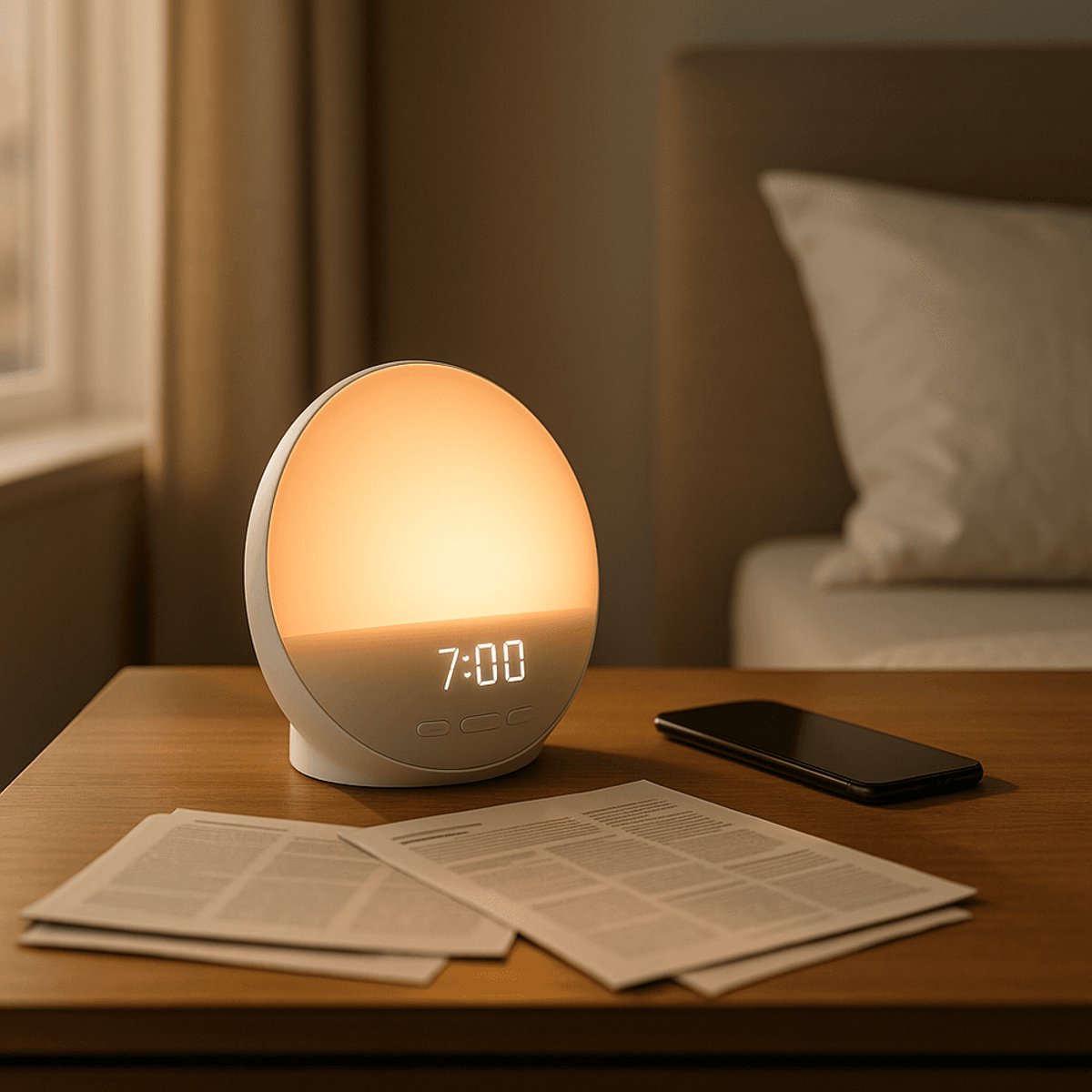
The popular sunrise alarm company Hatch finds itself at the center of a viral controversy after Christian influencers began throwing their devices in the trash over Halloween-themed horror advertisements. The backlash turned into a marketing opportunity when Hatch launched a "RePossession Program" for discarded units.
Hatch just learned that mixing sunrise alarm clocks with Halloween horror doesn't always wake up the right audience. The popular sleep device maker found itself trending on what TikTok users call "DemonTok" after its October marketing campaign crossed a line for some Christian customers.
The controversy started innocently enough with Hatch's anti-blue light campaign titled "Goodnight, Phone," released October 13. The Hollywood-style trailer starred actress Kiernan Shipka in full scream-queen mode, pulling bloody phone cords from her mouth while being attacked by a zombie version of herself. The message was clear: blue light exposure leads to nightmarish sleep.
But the real firestorm ignited when Hatch rolled out Halloween-themed programming through its Hatch+ subscription service. Users could access vampire-themed alarm sounds, including the "hoa hoa hoa" introduction from Twilight, alongside Halloween bedtime stories like "The Legend of Sleepy Hollow." A now-deleted promo called "Fallelujah" showed the device glowing red while a narrator intoned about "dabbling in the dark arts."
By October 24, "Hatch demonic ad" had become a top search term, with Christian TikTok influencer Charity posting a seven-minute video titled "Hatch Sound Machine and their demonic ties." The backlash grew as users shared concerns about using devices they perceived as occult-themed around their children.
"My husband said we will anoint our sound machines in the name of Jesus!" read one viral TikTok caption. Another user declared they would turn their machines "into dust so they can't be used by anyone else," calling Hatch "OPENLY BLASPHEMOUS."
According to Erin Merani, Hatch's vice president of marketing, this wasn't a planned marketing stunt. "We saw a lot of community jumping into the comments saying, 'Wait a minute, we missed the plot here!'" Merani told WIRED. "This is a Halloween-themed ad about their adult product being the thing that will save you from the real evil: your phone."
The company clarifies that all horror-themed content is exclusive to adult devices - the Restore 2 and 3 models - and can't be accessed on the Hatch Baby designed for children. But the distinction got lost in the viral outrage.
Then something unexpected happened. About 48 hours after the trash videos went viral, a new TikTok trend emerged: "If you're going to throw your Hatch device away, send it to me." Users began requesting the discarded $170 devices, seeing an opportunity to snag premium sleep tech at zero cost.
Hatch seized the moment, launching what it calls the "RePossession Program." The company directed interested users to its refurbishment program, keeping devices out of landfills while turning controversy into opportunity. "We saw this overwhelming outreach of people who wanted to be 'repossessed,'" Merani explained.
The numbers tell the story of a manufactured controversy: over 10,000 social media inquiries about receiving "repossessed" devices, but only 10 actual requests to return products to the company. The gap reveals how viral outrage often outpaces genuine consumer action in the social media age.
For Hatch, which has built its reputation on gentle sunrise simulation and calming sounds, the episode highlights the challenge of seasonal marketing in polarized times. The company's attempt to inject personality into its brand through horror themes backfired among a vocal segment of its customer base, even as others defended the campaign's creativity.
The controversy also underscores how quickly consumer sentiment can shift on social platforms. What started as criticism of advertising tone escalated into accusations of promoting evil, demonstrating the outsized influence of niche communities in shaping brand narratives.
Customers who want to return their devices can still contact Hatch customer service, while those seeking discounted units can browse the company's new refurbished section. The "RePossession Program" has become a permanent fixture, turning viral backlash into a sustainability initiative.
The Hatch controversy reveals how quickly seasonal marketing can spiral into brand crisis in the social media age. While the company successfully turned backlash into opportunity through its RePossession Program, the episode highlights the challenge of balancing creative advertising with diverse customer sensitivities. For a brand built on peaceful sleep, the lesson is clear: sometimes the safest marketing approach is the most restful one.