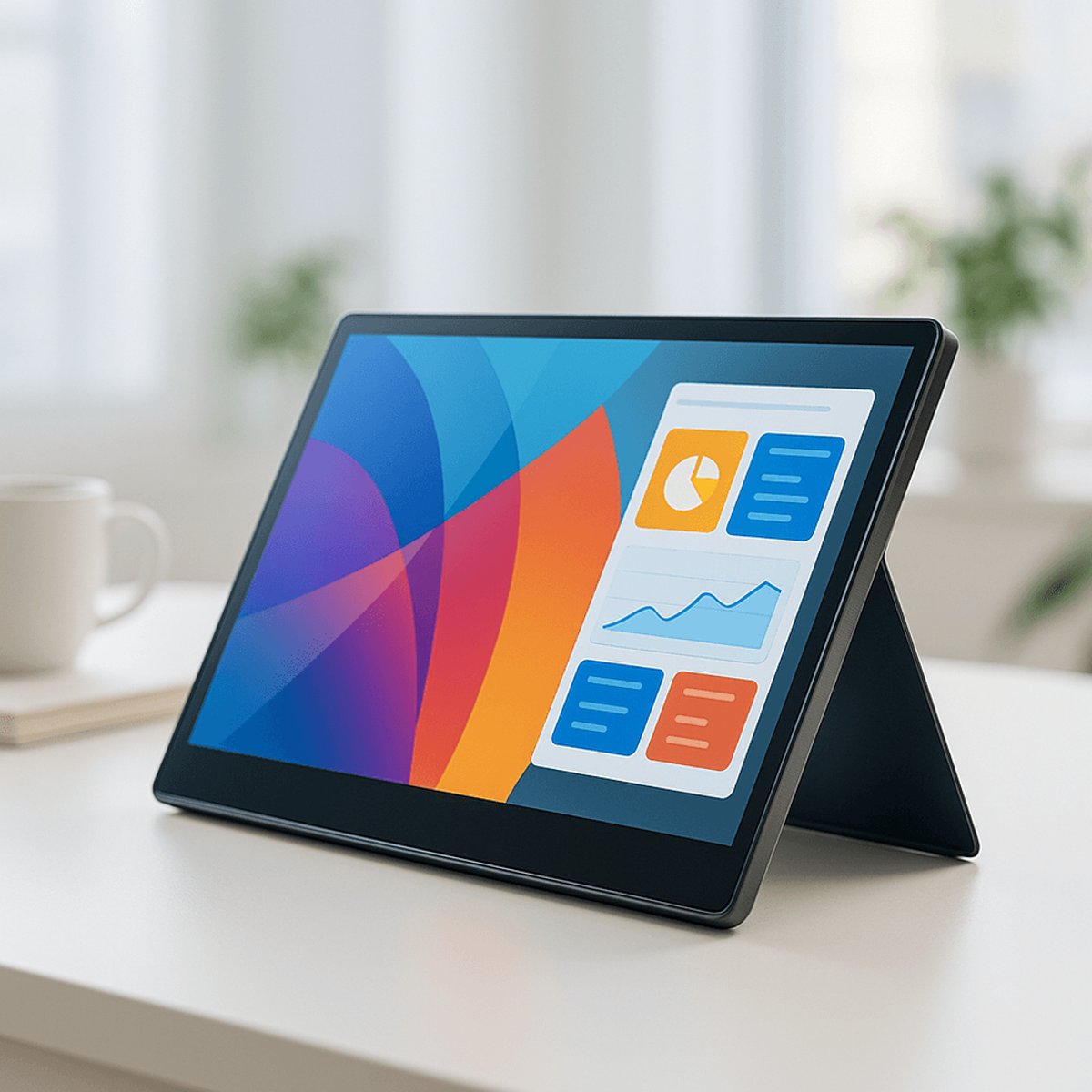
Samsung is officially launching The Movingstyle, a wireless portable touchscreen that creates an entirely new product category by blending TV viewing quality with monitor precision and mobile device portability. The device features a built-in battery kickstand and seamless landscape-to-portrait rotation, targeting users who want flexible viewing experiences throughout their homes.
Samsung just dropped something the display world wasn't expecting. The Movingstyle isn't your typical monitor launch - it's the company's bold attempt to create an entirely new product category that didn't exist before today.
The device combines what Samsung does best across three different divisions: the visual quality of their TVs, the input precision of their monitors, and the portability of their mobile devices. "We spent a lot of time thinking about The Movingstyle's identity during product planning and eventually arrived at a new category," Seokmin Baek from Samsung's Product Planning Group told Samsung Newsroom.
What makes this interesting isn't just the hardware - it's how Samsung had to reinvent their entire development process. Michael Kim from Samsung's Enterprise R&D Lab revealed they "had to redefine everything, from planning and development to manufacturing, to deliver a completely new user experience." The team literally created industry safety standards from scratch because no regulatory framework existed for this type of hybrid device.
The technical challenge was massive. Unlike TVs that you watch from across the room, this screen gets used up close like a monitor, requiring stricter safety standards. Add touchscreen functionality, and suddenly durability, touch accuracy, and response rates become critical. "I often pulled all-nighters, driven by the determination to create a brand-new category," Kim admitted during the Samsung interview.
The kickstand tells the real engineering story here. Instead of taking the easy route with a separate hinge and battery, Samsung integrated the circuit, cables, power management, and hinge into a single module. It's more complex to manufacture, but infinitely more durable. This isn't just about making another portable screen - it's about setting the standard for what comes next.
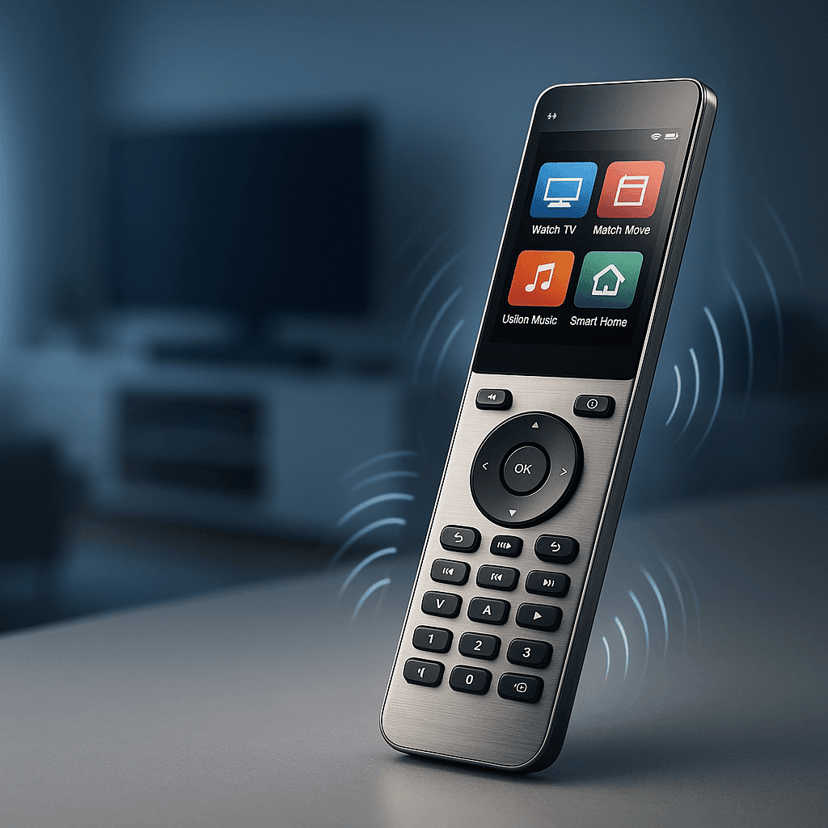
Samsung is positioning this as the evolution of their portable viewing lineup, following The Sero's rotating screen and The Freestyle projector. But The Movingstyle goes further by supporting both "lean-forward" interaction (touching the screen while cooking or presenting) and "lean-back" viewing (remote control from bed or couch).
The market timing feels deliberate. Home viewing habits shifted dramatically over the past few years, with people wanting screens that move between kitchen counters, bedside tables, and home offices. The Movingstyle's portrait mode capability also taps into the vertical content trend that's dominated social media.
What's particularly smart is how Samsung designed the connection ports. Instead of having cables snake around the device, everything connects through a clean center panel on the back. It sounds minor, but it shows Samsung thinking about this as furniture, not just tech.
The device launches as Samsung continues expanding beyond traditional TV boundaries. While competitors focus on bigger screens or better picture quality, Samsung is asking a different question: what happens when the screen itself becomes mobile? The Movingstyle suggests they believe the answer involves creating entirely new product categories rather than incremental improvements to existing ones.
The Movingstyle represents Samsung's bet that the future of displays isn't just about better picture quality or larger screens, but about fundamental flexibility in how and where we consume visual content. By creating an entirely new product category that required establishing industry standards from scratch, Samsung is positioning itself to define the portable touchscreen market before competitors even realize it exists. Whether consumers embrace this hybrid approach will determine if Samsung just launched the next evolution in home displays or an expensive experiment in over-engineering.