Amazon just dropped its best smart speakers yet, but they're going to cost you. The new Echo Studio 2nd Gen and Echo Dot Max feature completely redesigned circular bodies, enhanced audio capabilities, and built-in smart home hubs. The catch? Both models carry premium price tags that position them as Amazon's flagship audio devices rather than budget-friendly options.
Amazon is betting big on premium audio with its latest Echo lineup refresh. The company's fall hardware event in September revealed a strategic shift away from its overcrowded speaker portfolio toward two standout models: the Echo Studio 2nd Gen and the newly renamed Echo Dot Max.
The move signals Amazon's intent to streamline its Echo ecosystem around proven winners. According to WIRED's hands-on review, both speakers deliver "fantastic sound performance" while integrating Amazon's newest Alexa+ assistant right out of the box. But this premium positioning comes with a price jump that positions the Echo Dot Max at what the flagship Echo used to cost.
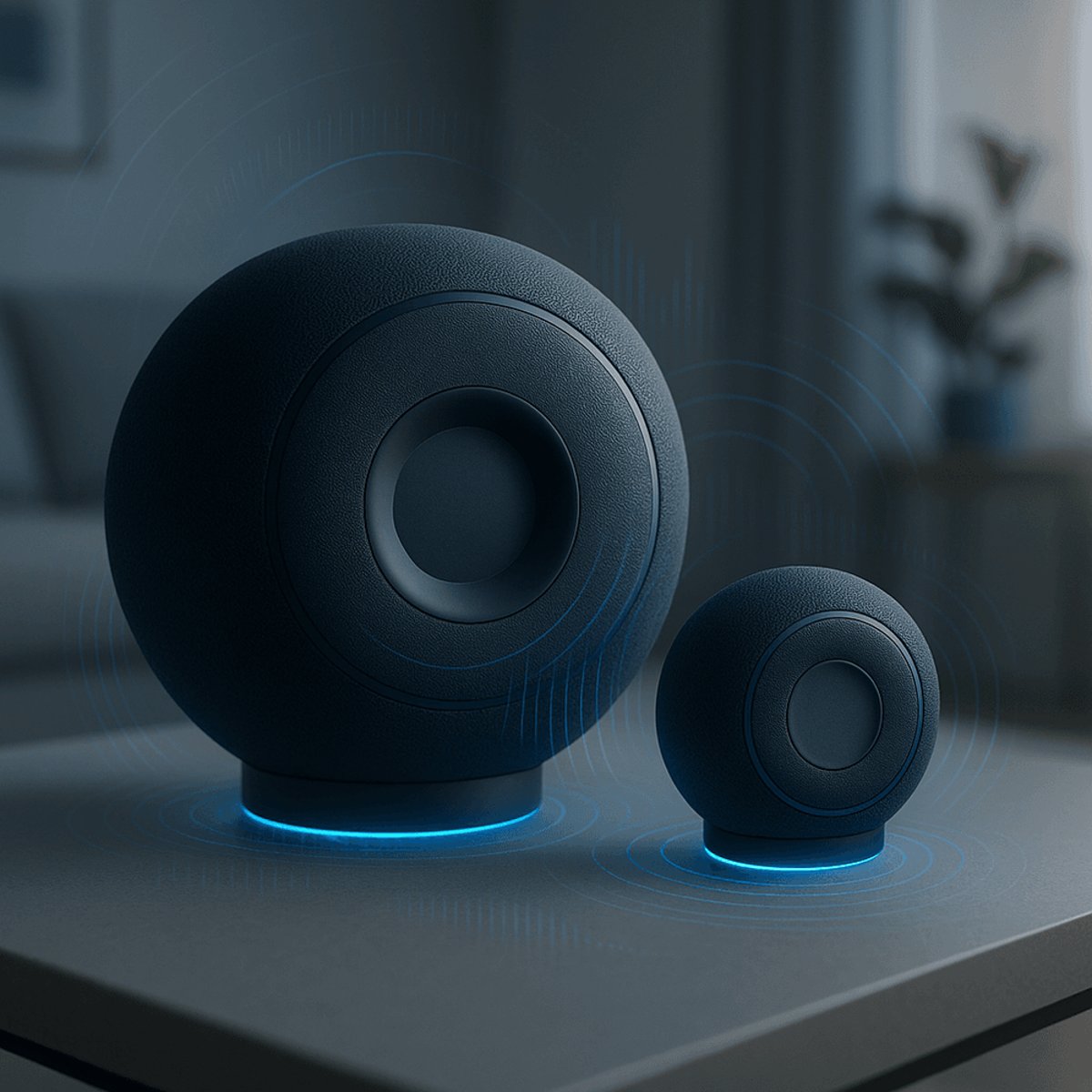
The redesign is immediately striking. Both models feature circular bodies with an indented center reminiscent of a speaker dust cap - a design language that screams premium audio. The volume and mute buttons now sit within that indent, while a new touch control on top lets users pause or resume music with a simple tap. The familiar Alexa light ring has been repositioned around the indent, creating a more cohesive visual experience.
"Amazon is finally planning on cutting down its lineup to focus on the best of the best," notes WIRED's review, highlighting how several Echo models have had limited availability this year. The screen-equipped Echo Show 10 and once-flagship Echo have been notably scarce, with new-generation Echo Show 8 and 11 models due in November seemingly positioned as replacements.
The strategic implications are clear. Amazon is banking on the popularity of its Echo Dot line while pushing users toward higher-margin products. The Echo Dot Max essentially inherits the flagship Echo's price point, while budget-conscious consumers get funneled toward speakers like the Echo Pop.
Technically, both new models pack significant upgrades. The Echo Studio 2nd Gen maintains its position as Amazon's immersive audio powerhouse, while the Echo Dot Max gains the smart home hub functionality that was previously exclusive to higher-end models. This hub integration means both speakers can directly control Zigbee and Matter devices without requiring additional hardware.
The inclusion of Alexa+ represents another premium play. Amazon's enhanced assistant promises more natural conversations and improved smart home integration, though the company hasn't disclosed whether this upgraded experience will eventually reach older Echo devices or remain a selling point for new hardware.
Industry analysts see this as Amazon's response to increasing competition from Apple's HomePod and Google's Nest Audio lineup. By focusing on fewer, more premium models, Amazon can better compete on audio quality while maintaining its smart home ecosystem advantages.
The timing aligns with broader smart speaker market maturation. After years of race-to-the-bottom pricing, manufacturers are pivoting toward premium features and improved margins. Amazon's approach of elevating its most popular models while maintaining budget options through speakers like the Echo Pop mirrors strategies employed across consumer electronics.
Early user feedback suggests the redesign resonates with audio enthusiasts. The new circular form factor not only looks more sophisticated but apparently improves sound dispersion compared to previous generations. The repositioned controls and touch functionality address longstanding user experience complaints about button placement and music control.
Amazon's latest Echo refresh represents a clear strategic pivot toward premium audio experiences. While the Echo Studio 2nd Gen and Echo Dot Max deliver impressive sound quality and enhanced smart home capabilities, their higher price points signal Amazon's confidence in moving upmarket. The real test will be whether consumers accept paying flagship prices for what was once considered a budget speaker line. For Amazon, success could mean healthier margins and a more focused product portfolio - but it also risks alienating price-sensitive customers who made the original Echo Dot a bestseller.