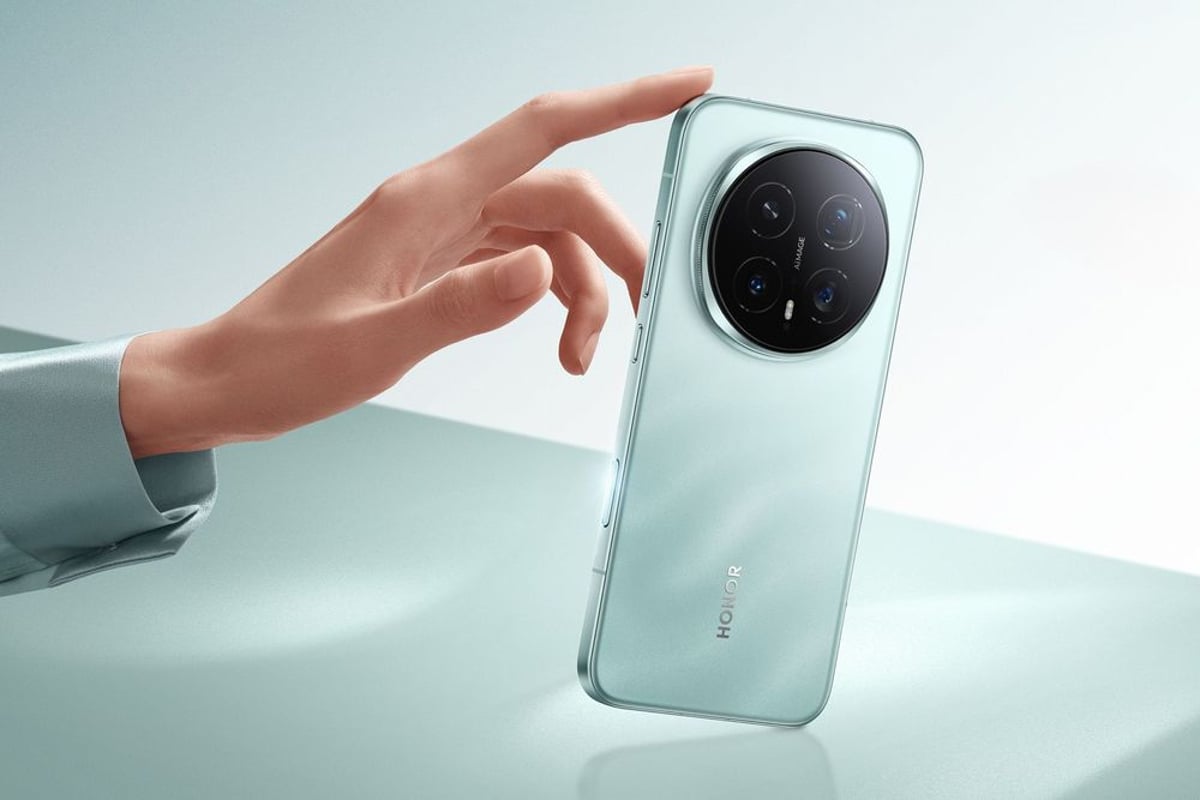
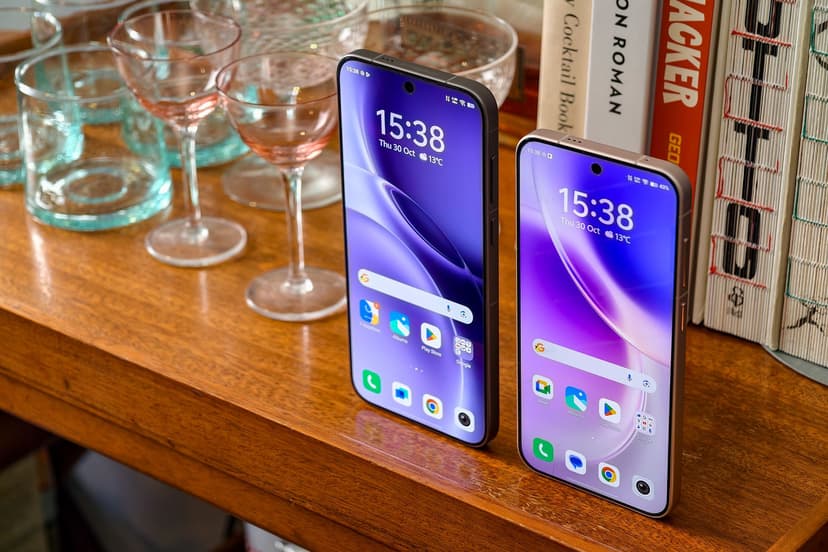
Honor just dropped its Magic 8 and Magic 8 Pro flagships in China with some of the biggest batteries we've seen in mainstream phones. The Pro model packs a massive 7,200mAh battery alongside a dedicated AI button that doubles as a camera shutter – a clear shot at making AI features more accessible while pushing battery life boundaries that could reshape flagship expectations.
Honor's playing the long game with battery life, and they're not backing down from the challenge. The company announced its Magic 8 and Magic 8 Pro flagships at a launch event in China today, with the Pro model sporting a genuinely massive 7,200mAh battery that puts most competitors to shame. The regular Magic 8 isn't far behind with 7,000mAh of juice.
Sure, Xiaomi beat them to the punch last month with the 17 Pro Max's 7,500mAh battery, but Honor's making a bold claim: their phones will outlast Xiaomi's despite the smaller capacity, thanks to what they call "better optimization." It's the kind of confident statement that'll be put to the test once reviewers get their hands on these devices.
The secret sauce here is Honor's latest silicon-carbon battery technology, which literally lets them cram more power into smaller spaces. We're talking about potentially two days of normal usage, though Honor hasn't given specific runtime estimates yet.
But here's where things get interesting for global markets. That 7,200mAh battery? It's China-only. International buyers will get a slightly smaller 7,100mAh version in the Pro, while EU markets are looking at 6,270mAh – still enormous by any standard, but clearly constrained by international shipping regulations around batteries. It's a reminder that even in our connected world, geography still dictates what tech we can actually get our hands on.
Charging speeds follow a similar pattern. Chinese buyers get 120W max wired charging, while everyone else caps out at 100W PPS support. At least wireless charging stays consistent at 80W globally, though you'll need Honor's own charger to hit those speeds.
Beyond the battery wars, Honor's doubling down on AI integration in ways that actually make sense. The dedicated AI button they'd teased earlier serves as a shortcut for their Yoyo assistant and pulls double duty as a camera shutter button. But it's the customization options that catch my attention – you can program it to access Yoyo Memories, an AI-powered storage space for photos and documents that sounds remarkably similar to Nothing's Essential Space feature.
The camera setup plays it relatively safe compared to last year's Magic 7 Pro. Honor ditched the variable aperture on the main 50-megapixel sensor in favor of a fixed f/1.6 lens, while keeping the 200-megapixel telephoto and 50-megapixel ultrawide largely unchanged on paper. The real question isn't about the hardware specs – it's whether Honor's AI enhancements can actually deliver better photos than the competition.
Qualcomm's Snapdragon 8 Elite Gen 5 handles the processing power alongside 12GB of RAM and 512GB of storage for global markets. Honor's making noise about IP68 and IP69K durability ratings, though that "K" designation is more marketing than meaningful – it just means they tested with water jets slightly closer to the phone.
Software-wise, both phones will run MagicOS 10 built on top of Android 16, featuring what Honor calls a "translucent visual design" – basically lots of semi-transparent and blurred UI elements that follow current design trends.
The ecosystem play is real here too. Today's China launch included new Earbuds 4, the Watch 5 Pro, and three MagicPad 3 tablets, plus a tantalizing tease of something called a "Robot Phone" concept. It's clear Honor's thinking beyond just smartphones.
Pricing tells an interesting story about market positioning. At ¥4,499 (around $630) for the Magic 8 and ¥5,699 (around $800) for the Pro, Honor's undercutting premium flagship pricing while delivering genuinely competitive specs. The international launch "later this year" will be the real test of whether these prices translate globally.
Honor's Magic 8 series represents a clear bet that battery life and practical AI features matter more than bleeding-edge camera specs or flashy design changes. The 7,200mAh battery in particular could reset expectations for what flagship endurance should look like, while the dedicated AI button shows how companies are trying to make AI feel more native to the smartphone experience. Whether that translates to real-world advantages over competitors like the Xiaomi 17 Pro Max will depend on Honor's optimization claims and how well their AI features actually work in daily use.