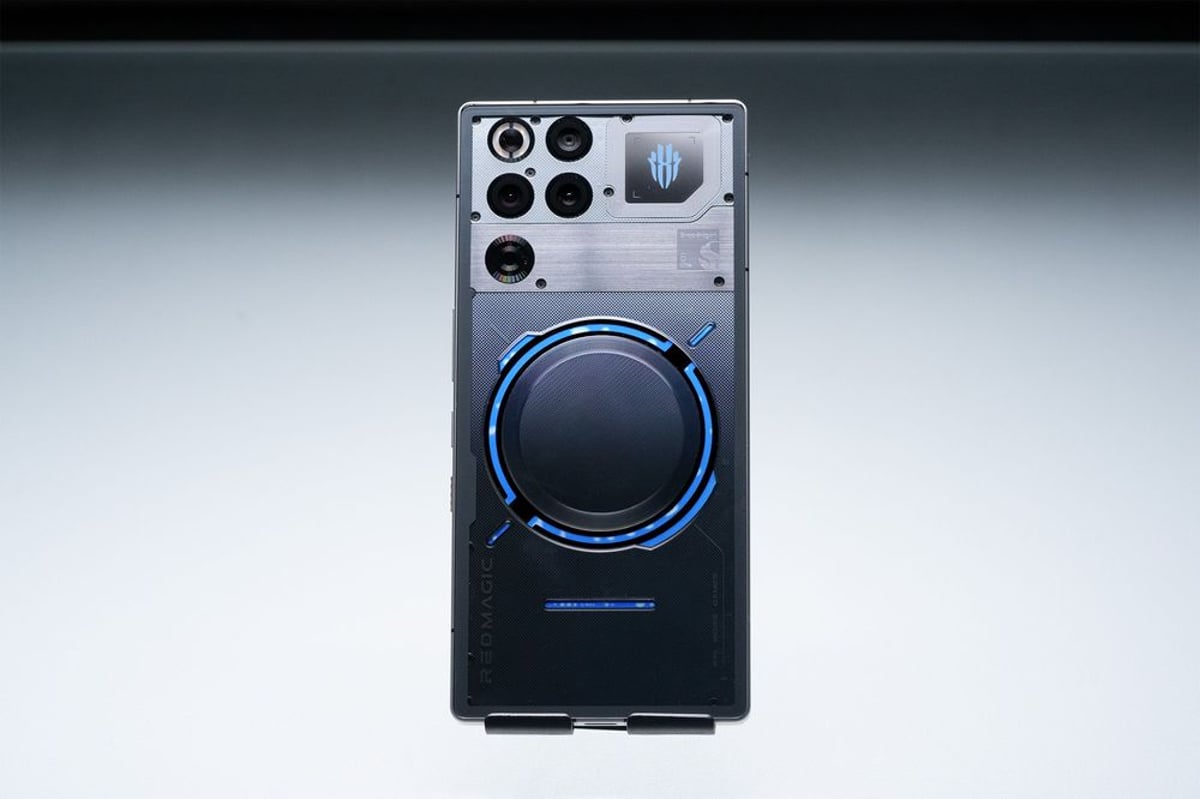
The mobile gaming world just got its first taste of desktop-grade cooling. Redmagic's 11 Pro launched in China today with an active liquid cooling system - a ceramic micro-pump that circulates coolant through the phone, marking the first commercial implementation of this technology outside of concept devices. Combined with an industry-leading 8,000mAh battery, it's setting new benchmarks for gaming phone performance.
Redmagic just crossed a thermal management threshold that seemed impossible just months ago. The gaming phone specialist's 11 Pro doesn't just promise better cooling - it delivers liquid cooling through an actual ceramic micro-pump that circulates coolant throughout the device. This isn't the passive vapor chamber technology that's become standard in premium Android phones. It's active, mechanical cooling that bridges the gap between mobile and desktop gaming performance.
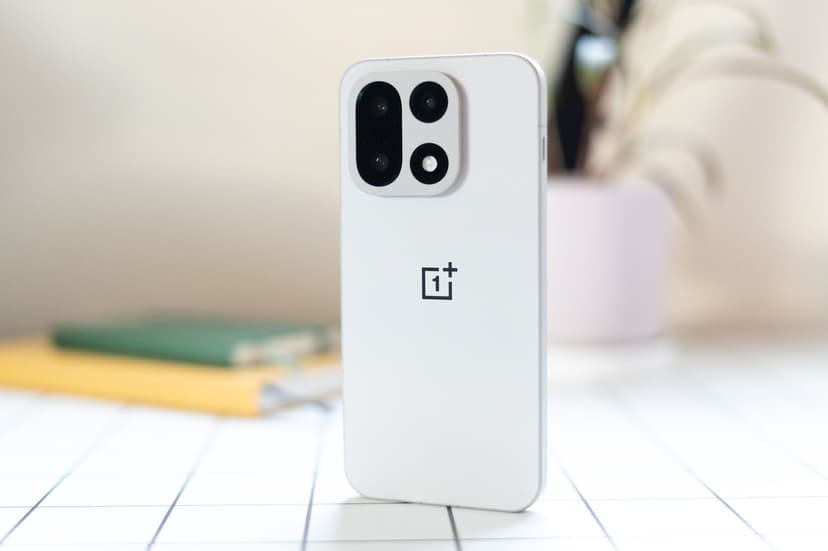
The breakthrough builds on OnePlus's 2023 concept device that first demonstrated active liquid cooling in smartphones, according to The Verge's original coverage. But where OnePlus stopped at proof-of-concept, Redmagic has pushed through to commercial production. The translucent cooling ring on the phone's back isn't just aesthetic - it showcases the moving coolant that keeps the Snapdragon 8 Elite Gen 5 processor running at peak performance during extended gaming sessions.
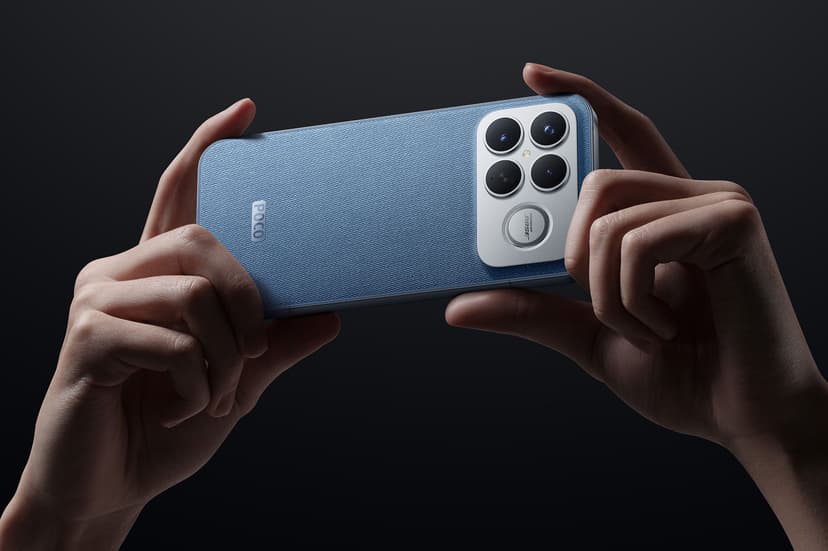
The thermal innovation pairs with equally impressive power management. Redmagic's 8,000mAh battery capacity surpasses the already substantial cells found in recent Xiaomi and Oppo flagships, which topped out at 7,500mAh. For context, most premium smartphones still hover around 4,000-5,000mAh, making this nearly double the industry standard. The 120W wired charging ensures that massive battery doesn't become a liability during downtime.
Gaming-focused features round out the hardware story. The 144Hz display refresh rate matches desktop gaming monitors, while haptic shoulder buttons provide console-like controls without external accessories. These aren't just spec sheet additions - they represent Redmagic's understanding that mobile gaming has evolved beyond casual experiences into competitive esports territory.
The timing couldn't be better for thermal innovation. Modern smartphone processors generate more heat than ever, with flagship chips pushing performance boundaries that traditional cooling methods struggle to handle. Qualcomm's Snapdragon 8 Elite series demands sophisticated thermal management to maintain peak clock speeds, especially during graphically intensive gaming sessions that can last hours.
Industry observers have been watching for this breakthrough since cooling became the primary bottleneck for mobile performance. While other manufacturers focused on incremental improvements to vapor chambers and heat pipes, Redmagic took the riskier path of miniaturizing active cooling systems. The ceramic micro-pump represents months of engineering work to achieve mechanical reliability in a smartphone form factor.
The China-first launch strategy reflects the country's massive mobile gaming market, where users regularly spend significant money on premium gaming hardware. Redmagic's announcement that global availability details will come November 3rd suggests confidence in broader market appeal, particularly among enthusiast users who've been waiting for desktop-class cooling in portable devices.
Manufacturing at scale remains the key question. Active cooling systems introduce mechanical complexity that passive solutions avoid, potentially affecting long-term reliability and production costs. But if Redmagic can maintain quality while meeting demand, they've potentially opened a new category in smartphone thermal design that competitors will struggle to match quickly.
Redmagic's liquid cooling breakthrough represents more than incremental hardware improvement - it's a fundamental shift in mobile thermal management that could reshape gaming phone expectations. As performance demands continue escalating and processors generate more heat, active cooling solutions may become the new standard rather than the exception. The November global launch will test whether mainstream users are ready to embrace desktop-inspired cooling in their pockets, but for serious mobile gamers, this technology can't arrive fast enough.