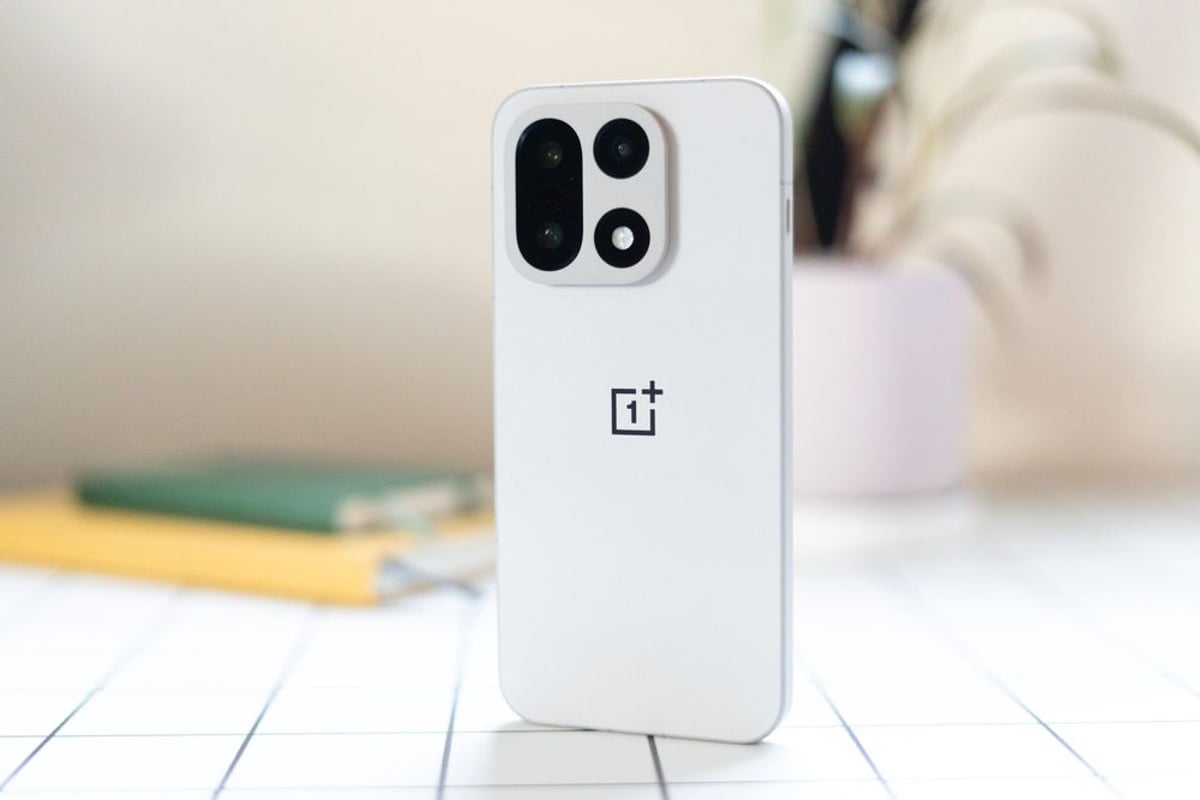
OnePlus has its new flagship ready to ship, but thanks to the recent government shutdown, the OnePlus 15 is stuck in regulatory purgatory. The company completed all FCC testing but can't get final approval stamps as regulators work through a month's worth of certification backlogs.
OnePlus is ready to take your money for its latest flagship, but Uncle Sam isn't ready to let them. The OnePlus 15, priced at $899 for the 12GB RAM and 256GB storage variant, sits in regulatory limbo as the FCC works through a massive backlog of device certifications following the recent government shutdown.
The Chinese smartphone maker already launched the OnePlus 15 in its home market earlier this year and kept the same $899 price point as the OnePlus 13 - a strategic move considering the ongoing tariff tensions between the US and China. But while OnePlus managed to navigate trade wars, it couldn't sidestep the bureaucratic bottleneck created by federal shutdown fallout.
"As is the case with every smartphone manufacturer, the United States' Federal Communications Commission certifies OnePlus devices before they are sold in the U.S.," company marketing head Spenser Blank explained in a statement to The Verge. "As a result of the government shutdown, device certifications have been delayed."
The company has done everything right on their end. All required testing through FCC-recognized labs is complete, and the certification application sits formally submitted in the regulatory queue. Now it's just a waiting game as the Commission catches up on weeks of delayed approvals.
This regulatory roadblock affects every tech company bringing new devices to American consumers, but it hits smartphone makers particularly hard given their tight launch windows and seasonal sales cycles. Samsung, Apple, and other major players all face similar certification bottlenecks, though established relationships and expedited processes often help larger manufacturers navigate these delays faster.
For OnePlus, the timing couldn't be more frustrating. The OnePlus 15 represents a significant battery breakthrough that could reshape consumer expectations around smartphone endurance. The device packs a massive 7,300mAh silicon-carbon battery - a 21% jump from the already impressive 6,000mAh capacity in the OnePlus 13.
This silicon-carbon technology, widely adopted by Chinese manufacturers like parent company Oppo, allows for thinner form factors while delivering dramatically higher capacity than traditional lithium-ion batteries. While Apple and Samsung continue refining their battery chemistry incrementally, Chinese brands are leapfrogging with next-generation materials.
The real-world impact is substantial. Where most flagship smartphones struggle to last a full day under heavy use, the OnePlus 15 promises genuine two-day battery life - a holy grail that could shift purchasing decisions for power users and frequent travelers.
"If you live in the US and you've been waiting for a phone with genuine two-day battery life, then the wait is almost over," The Verge's Allison Johnson noted. "You're just going to have to hold on a little bit longer."
Eager consumers can sign up for email alerts through OnePlus.com to get notified the moment FCC certification clears. The company remains optimistic about quick approval once regulators work through their backlogs, but there's no concrete timeline for when that might happen.
Meanwhile, competitors like Samsung with their Galaxy S25 series and Apple with potential iPhone updates continue operating on predictable launch schedules, giving them temporary market advantages while OnePlus waits for regulatory clearance.
The OnePlus 15's regulatory delay highlights how government disruptions create ripple effects throughout the tech industry. While bureaucratic backlogs frustrate companies and consumers alike, they also underscore the critical role of FCC oversight in ensuring device safety and compliance. For OnePlus, this setback comes at a particularly unfortunate time given their battery technology breakthrough could genuinely differentiate them in a crowded smartphone market. The silver lining? When certification finally comes through, American consumers will get access to what might be the longest-lasting flagship phone available in the US market.