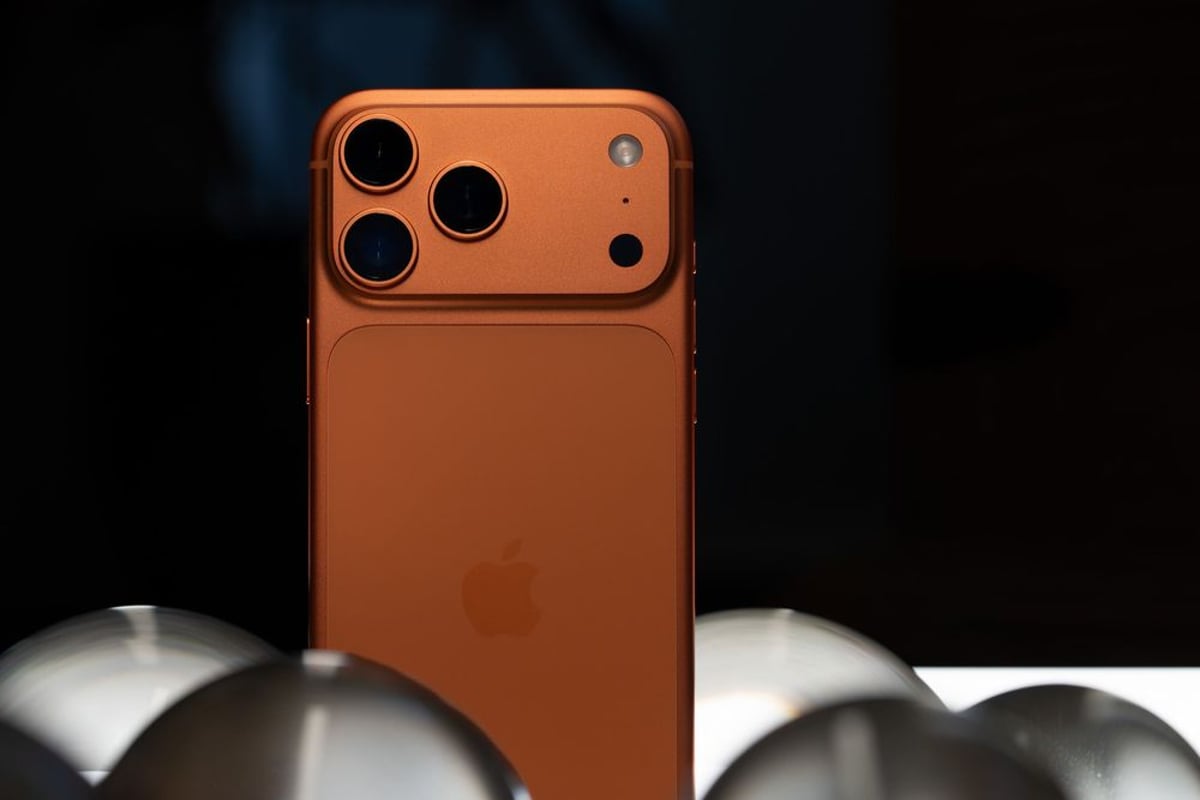
iFixit just dropped a damning microscopic investigation into the iPhone 17 Pro's scratch problem that's been plaguing early adopters. The repair specialists used digital microscopy to reveal exactly why Apple's new anodized aluminum design is failing users around the camera plateau, with expert analysis pointing to a fundamental engineering oversight that could affect millions of devices.
iFixit's latest teardown just confirmed what iPhone 17 Pro owners have been reporting for weeks - the camera plateau scratches way too easily, and there's a specific engineering reason why. The repair specialists went full forensic mode, using digital microscopy to examine scratch patterns that have been driving users to cases and screen protectors faster than any previous iPhone generation.
The microscopic images tell a brutal story. What Apple marketed as premium anodized aluminum turns into a liability around the camera bump, where scratches appear as deep gouges that catch light and destroy the phone's sleek aesthetic. iFixit's investigation shows spalling damage that doesn't occur elsewhere on the device, suggesting this isn't just user clumsiness.
David Niebuhr, a mechanical engineering professor who analyzed the findings, delivered the technical verdict that Apple probably doesn't want to hear. "Apple could have prevented this by making a more gradual curve and avoiding a relatively sharp corner," Niebuhr told iFixit. The problem stems from the sharp edge where the camera plateau meets the phone's body - exactly where the anodization process becomes uneven.
This design flaw represents a significant departure from Apple's usual attention to durability details. The company has spent years perfecting aluminum treatments across MacBooks and previous iPhones, making this camera plateau vulnerability particularly surprising. Industry analysts are already questioning whether this will impact Apple's premium positioning, especially as competitors like Samsung continue improving their own build quality.
The timing couldn't be worse for Apple. Early iPhone 17 Pro adopters are discovering scratches within days of purchase, leading to a surge in case sales but also growing frustration on social media. iFixit's conclusion is blunt: unless you put your iPhone 17 Pro in a case, "the camera plateau is probably going to see some damage" during its lifetime.
Beyond the scratch issue, iFixit's teardown revealed mixed signals on repairability. The company praised Apple for finally implementing screwed-in batteries, making replacements significantly easier. But they criticized the continued requirement to remove the entire screen for most repairs - something Apple managed to avoid in the new iPhone Air design.
The microscopic evidence raises questions about Apple's quality control processes. How did such a fundamental design flaw make it through testing phases? The company has historically caught these issues during development, suggesting either rushed timelines or insufficient real-world testing of the anodization process.
Case manufacturers are already capitalizing on the design flaw, with several companies reporting surge orders for iPhone 17 Pro camera protection specifically. Apple hasn't officially responded to the investigation, but internal sources suggest the company is aware of the issue and monitoring user feedback closely.
The broader implications extend beyond just this generation. If Apple continues with similar camera plateau designs in future iPhones, this could become a recurring durability concern. The sharp edge problem identified by mechanical engineers represents a fundamental design philosophy that may need rethinking.
iFixit's microscopic investigation exposes a clear engineering oversight in the iPhone 17 Pro's camera plateau design that could affect millions of users. The combination of sharp edges and uneven anodization creates a perfect storm for scratching that Apple could have avoided with better design choices. While the screwed-in battery shows Apple learning from past repairability mistakes, this durability flaw suggests quality control gaps that need immediate attention. Users should expect cases to become essential rather than optional for protecting their investment.